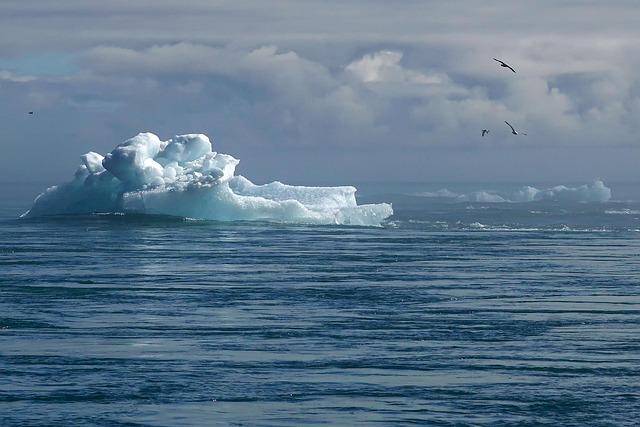
Climate Change: A Greater Threat to Greenland than Trump’s Mineral Ambitions
As the global discourse surrounding climate change intensifies, Greenland finds itself at the crossroads of environmental peril and geopolitical intrigue. While former President Donald Trump’s aspirations to tap into the territory’s rich mineral resources sparked significant headlines during his administration, a more pressing and immediate concern looms-the profound and devastating impacts of climate change. According to a recent analysis by Chatham House, the implications of rising temperatures and melting ice sheets pose an existential risk to Greenland, overshadowing the transient allure of mineral extraction. This article explores the intricate balance between economic ambition and ecological sustainability, highlighting how the urgent realities of climate change demand a reevaluation of priorities for this pivotal Arctic region. As Greenland grapples with the consequences of a warming planet, the question remains: can the island navigate the dual threats of environmental degradation and exploitation while safeguarding its future?
Climate Change’s Devastating Impact on Greenland’s Ecosystem and Communities
The rapidly altering climate in Greenland poses a grave threat to its unique ecosystems and local communities. With increasing temperatures, the once-solid ice sheets are thinning, resulting in accelerated melt rates and significant implications for global sea levels. As the ice recedes, biodiversity faces peril, threatening species such as polar bears and seals that rely on the ice for their habitats. Furthermore, the warming temperatures are disrupting traditional hunting patterns and altering the marine food web, leading to decreased fish stocks and challenging the delicate balance of Greenland’s natural resources.
Communities living in Greenland are not just witnessing environmental changes but are also facing socioeconomic challenges that stem from climate change. Local populations, heavily dependent on fishing and hunting, are experiencing dwindling resources, prompting shifts in lifestyle and cultural practices. The changes have sparked concerns over food security and have raised questions about the viability of traditional livelihoods in the face of modernization and climate pressures. Additionally, the growing industrial interest in extracting minerals and fossil fuels threatens to further disrupt these communities and exacerbate environmental degradation. To fully appreciate the stakes at hand, it’s essential to understand that the consequences extend beyond Greenland; they resonate globally, necessitating urgent action to mitigate further impacts.
| Impact of Climate Change | Effect on Ecosystem | Community Consequences |
|---|---|---|
| Ice Sheet Melting | Loss of habitat for key species | Reduced hunting opportunities |
| Warmer Ocean Temperatures | Altered marine food webs | Decreased fish stocks affecting livelihoods |
| Increased Industrial Activity | Environmental degradation | Threat to cultural practices and community health |
Strategic Recommendations for Global Leaders to Prioritize Environmental Sustainability Over Mineral Exploitation
As global leaders face the pressing challenges of climate change, a significant shift in priorities is essential to ensure the long-term sustainability of regions like Greenland. Investing in renewable energy technologies should be a top contender for strategic initiatives. Governments can promote infrastructure projects that harness wind, solar, and hydroelectric power, minimizing reliance on mineral exploitation. By enhancing energy efficiency and reducing carbon footprints, these sustainable practices can create new jobs while safeguarding local environments and communities.
Furthermore, international cooperation must be fostered among nations to develop policies aimed at conservation and responsible resource management. This might include:
- Establishing protected areas to preserve critical ecosystems.
- Implementing stricter regulations on mineral extraction that prioritize environmental assessments.
- Funding scientific research to monitor the impacts of climate change on vulnerable regions.
Such measures will not only prompt a reevaluation of current economic models but also elevate the conversation around environmental stewardship to global prominence, steering attention away from short-term mineral gains to long-lasting ecological stability.
Insights and Conclusions
In conclusion, while the geopolitics surrounding mineral extraction and the ambitions of figures like Donald Trump generate headlines, it is essential to maintain perspective on the more pressing and existential threats facing Greenland. The ongoing impact of climate change poses a far greater risk, as rising temperatures and shifting ecosystems threaten the island’s delicate environment and the livelihoods of its inhabitants. As global attention turns to the Arctic region, it is crucial that policymakers prioritize sustainable solutions that address climate resilience over short-term economic gains. The future of Greenland rests not only on its mineral wealth but, more critically, on our collective response to the climate crisis that looms larger with each passing day.