
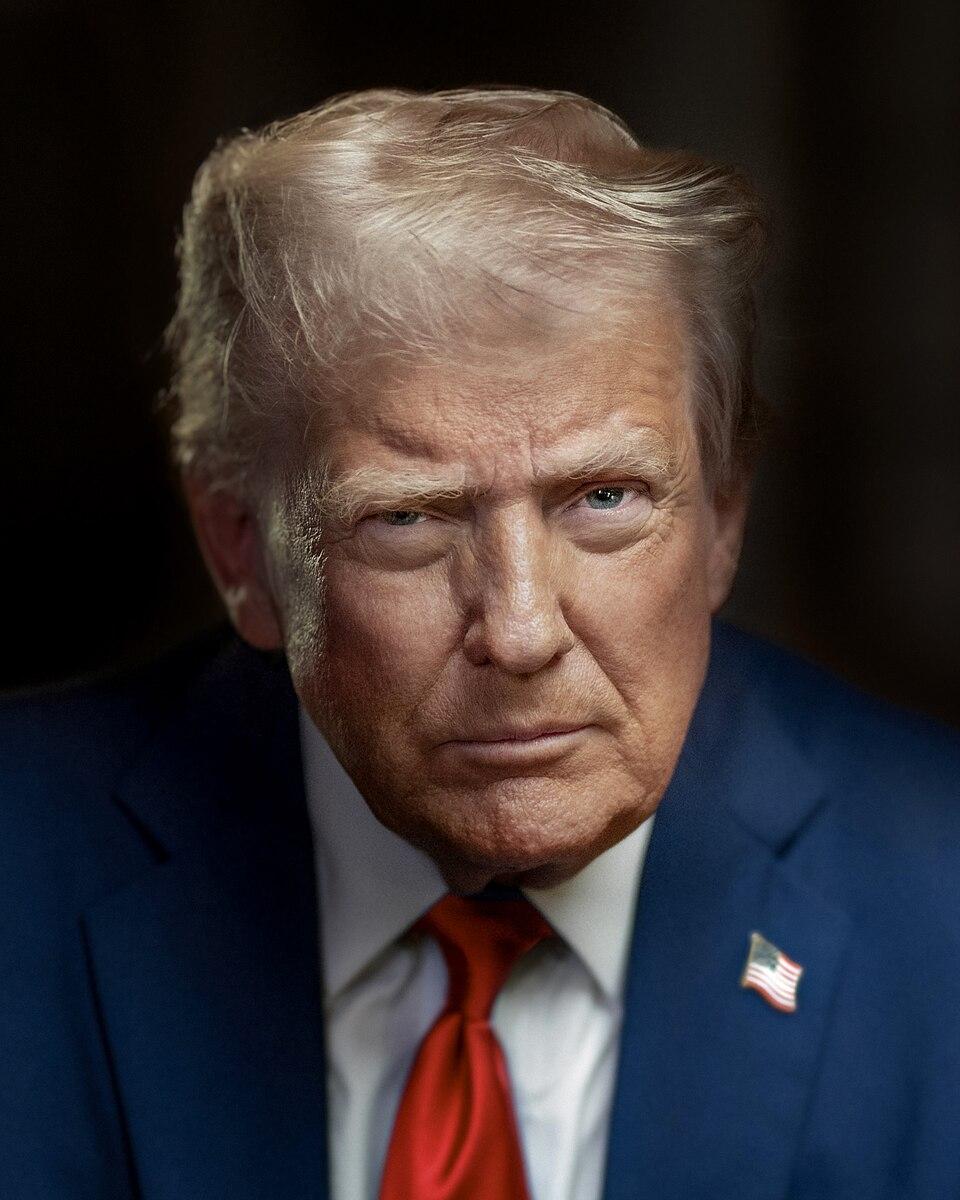
In recent years, former President Donald Trump’s fascination with Greenland has become a focal point of both domestic and international discussions, revealing deeper implications for U.S. foreign policy. The purchase proposal for the world’s largest island, initially dismissed by Danish officials, raised eyebrows and questions about America’s strategic priorities in the Arctic region. As tensions rise over climate change, melting ice caps, and the ensuing race for resources, Trump’s obsession with Greenland not only underscores a curious geopolitical ambition but also highlights a broader challenge: the need for a coherent and effective foreign policy that goes beyond territorial desires. This article delves into the implications of Trump’s Greenland fixation and explores why mere acquisition will not fortify America’s standing on the global stage.
Examining Trump’s Greenland Strategy and Its Implications for U.S. Foreign Relations
The former president’s interest in acquiring Greenland has raised eyebrows and sparked discussions about the priorities and strategies of U.S. foreign policy. Many experts have questioned the practicality of this ambition, suggesting that it reflects a misunderstanding of international relations. The proposal to buy Greenland, a territory of Denmark, indicates a desire for geopolitical leverage rather than strategic investment in relationships that yield mutual benefits. It poses the risk of alienating key allies in Europe, particularly Denmark, and reducing cooperative dialogue to transactional exchanges.
Furthermore, examining the implications of this Greenland strategy reveals potential ramifications for America’s standing on the global stage. The move can be viewed as part of a broader trend where economic and territorial acquisition is prioritized over diplomatic engagements. This strategy leads to an unsettling narrative in international politics, one that underscores a dominance-oriented mindset. The consequences may include:
- Strained Alliances: An aggressive acquisition approach may undermine long-standing partnerships.
- Increased Rivalry: Tensions with other nations looking to assert their influence in the Arctic could escalate.
- Polarized Public Opinion: Homegrown discontent could rise over perceived misallocation of resources and focus.
Strategies for Redirecting U.S. Foreign Policy to Enhance Global Alliances and Security
To effectively enhance global alliances and strengthen security, it is critical for U.S. foreign policy to pivot from unilateral interests toward a framework that prioritizes multilateral cooperation. This can be achieved through the establishment of robust diplomatic channels and enhancing engagement with international organizations. Key strategies include:
- Strengthening NATO partnerships, emphasizing collective defense initiatives.
- Broadening participation in climate agreements to build common ground for cooperation.
- Investing in global health initiatives that transcend borders, such as pandemic preparedness.
- Encouraging technologies and infrastructure investments that align with allies’ strategic goals.
Moreover, the U.S. must also reassess its military commitments and focus on preventive diplomacy, which seeks to address the root causes of tensions before they escalate. This would involve:
| Strategic Focus | Potential Benefits |
|---|---|
| Regional Conflict Resolution | Reduced military expenditures and enhanced credibility. |
| Humanitarian Aid Initiatives | Promotion of stability and goodwill among nations. |
| Cybersecurity Collaboration | Strengthened defenses against common threats. |
These approaches will not only ensure America’s ongoing relevance on the global stage but will also cultivate a sense of shared responsibility and security among allied nations, ultimately creating a more stable international environment.
Concluding Remarks
In conclusion, while former President Donald Trump’s fascination with Greenland may have sparked a flurry of headlines and discussions about America’s geopolitical ambitions, it is clear that this obsession does little to secure the nation’s strategic interests. Rather than focusing on purchasing territory or engaging in grand, symbolic gestures, U.S. foreign policy must prioritize building meaningful alliances, addressing pressing global challenges, and fostering sustainable relationships with Arctic nations. As the geopolitical landscape continues to evolve, it is imperative that American leaders move beyond the allure of real estate and concentrate on substantive diplomacy to ensure national security and promote stability in the region. Ultimately, securing America’s future lies not in the acquisition of land, but in thoughtful engagement and collaboration on the international stage.











