In recent weeks, the specter of U.S. military intervention has resurfaced in discussions surrounding Venezuela, reminiscent of past operations such as the controversial Grenada invasion in 1983. Former President Donald Trump’s renewed threats towards the South American nation have ignited debates over a potential “Urgent Fury 2.0,” echoing the sentiments of Cold War-era military engagements. As tensions escalate and the international community watches closely, analysts are pondering whether history could repeat itself. This article delves into the implications of these developments, the historical context of U.S. interventions in Latin America, and what a renewed military approach might mean for both Venezuela and U.S. foreign policy in the region.
Revisiting Historical Precedents: The Legacy of Operation Urgent Fury in Contemporary U.S. Foreign Policy
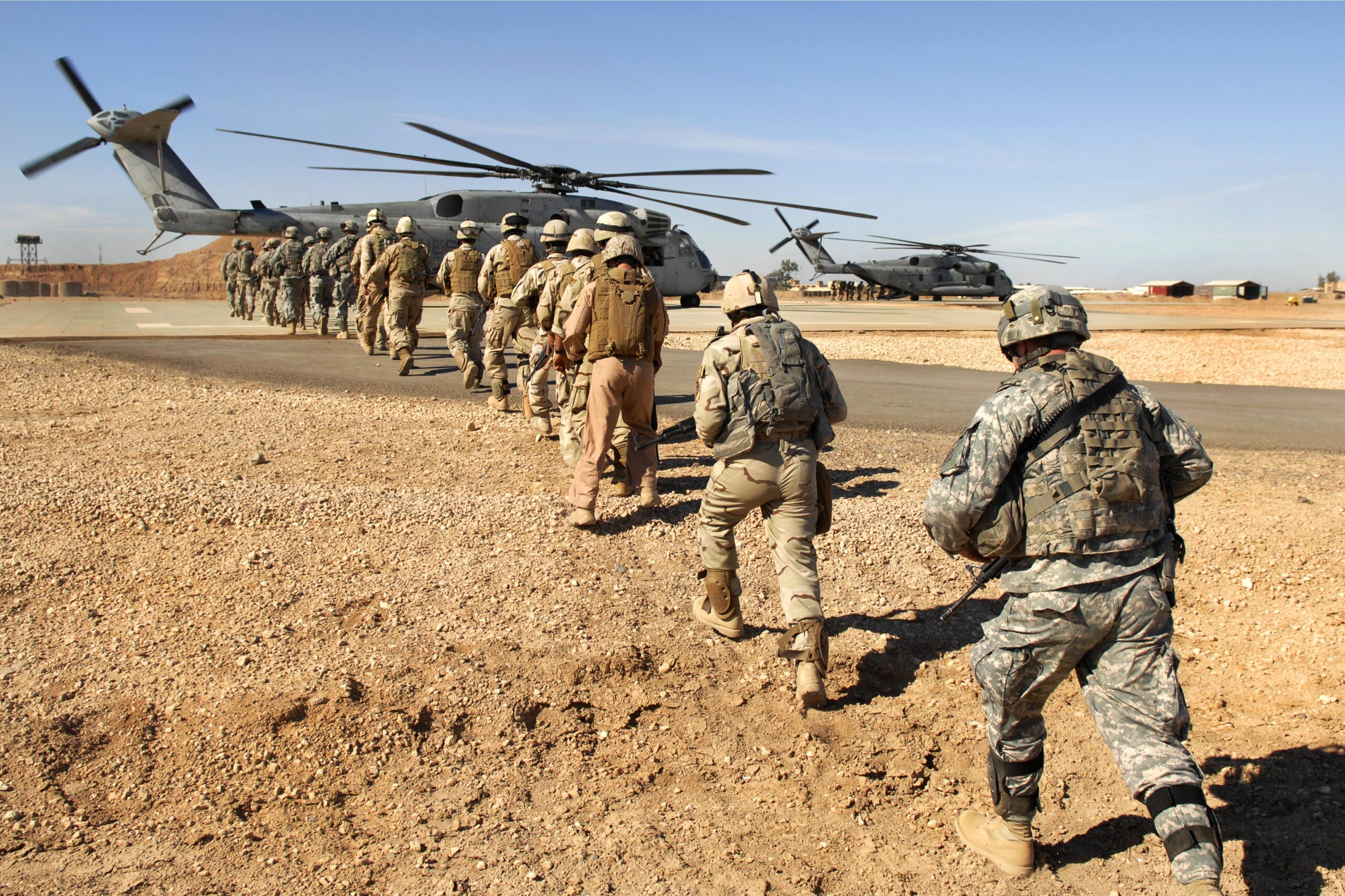
The legacy of Operation Urgent Fury, the U.S. invasion of Grenada in 1983, looms large in discussions of contemporary foreign policy, particularly as tensions around Venezuela escalate. This military action, initially justified under the pretext of protecting American citizens and restoring order, sparked a series of debates on the legality and morality of U.S. interventions. The lessons learned from Grenada-the importance of swift military action versus diplomatic channels and the necessity for international support-remain particularly relevant as politicians revisit rhetoric reminiscent of the Cold War. Amidst President Trump’s recent threats regarding Venezuela, analysts are drawing parallels between the perceived existential threats of the 1980s and today’s geopolitical dynamics.
Key factors that characterized Operation Urgent Fury can also inform current strategies and potential military engagements:
- Timing and Speed: The decisive approach of rapid military action can deter threats but also poses risks of unintended consequences.
- Domestic and International Approval: Gaining support both at home and among international allies is crucial for legitimacy.
- Humanitarian Considerations: The role of humanitarian arguments in justifying military intervention remains a contentious issue.
| Aspect | Operation Urgent Fury | Contemporary Context |
|---|---|---|
| Justification | Protection of U.S. citizens | Preventing authoritarian regimes |
| Execution | Rapid military deployment | Potential for swift action in Venezuela |
| Outcome | Regime change in Grenada | Uncertain political future |
Analyzing Trump’s Rhetoric: Implications for U.S.-Venezuela Relations Amid Rising Tensions
Former President Donald Trump’s recent aggressive rhetoric towards Venezuela has rekindled memories of U.S. military interventions in the Caribbean, particularly the 1983 invasion of Grenada. His remarks, laden with threats, not only signal a potential shift in U.S. foreign policy but also raise questions about the direction of U.S.-Venezuela relations. The implications of such rhetoric could lead to heightened tensions, as Trump’s description of Venezuela as a “danger” is reminiscent of Cold War-era justifications for intervention. Analysts speculate on the potential for a more militarized U.S. stance in the region, echoing past interventions that were often justified under the banner of restoring democracy or combating communism.
Should the U.S. escalate its rhetoric into action, the fallout could be significant. The Venezuelan government, already facing international scrutiny and domestic unrest, may respond with increased defiance. Key factors to consider include:
- Regional geopolitics: Latin American countries may react defensively to any military threats.
- Domestic repercussions: U.S. military action might unite Venezuelans against a common external enemy.
- Legacy of intervention: Past U.S. operations in Latin America have often had long-lasting and destabilizing outcomes.
A careful examination of these dynamics is essential for understanding the potential trajectory of future relations between the U.S. and Venezuela. As the situation unfolds, policymakers must weigh the historical context of Trump’s threats against contemporary geopolitical realities.
Strategic Recommendations: A Cautious Approach to Military Engagement in Latin America
In light of the recent rhetoric surrounding military options regarding Venezuela, a prudent strategy must be adopted to mitigate risks while addressing geopolitical challenges in Latin America. Historical precedents remind us that military interventions, such as the invasion of Grenada in 1983, often come with unintended consequences that can destabilize regions rather than restore order. Therefore, the United States should prioritize diplomatic engagement and multilateral collaboration over unilateral military action. The following approaches should be considered:
- Strengthening Diplomatic Ties: Engage with regional partners to build a coalition focused on dialogue and reform, rather than military intervention.
- Humanitarian Assistance: Implement and enhance humanitarian aid programs to address the immediate needs of the Venezuelan population, thereby improving the U.S.’s image in the region.
- Support for Democratic Institutions: Invest in programs that bolster democratic processes and institutions in Venezuela to foster long-term stability.
A thorough analysis of potential military action reveals the need for comprehensive assessments of both the strategic and humanitarian implications. Rather than a historical approach focused on force, U.S. policymakers should consider a framework emphasizing soft power to achieve diplomatic goals while enhancing regional cooperation. Engaging at the community level and fostering grassroots movements can help undermine authoritarian regimes without the heavy toll of military conflict. Below is a simple table illustrating potential benefits of a non-military approach:
| Benefits | Description |
|---|---|
| Cost-Effectiveness | Non-military initiatives are typically less expensive than military interventions. |
| Reduced Casualties | Engagement without conflict minimizes loss of life and destruction. |
| Long-Term Stability | Investing in people and institutions can foster sustainable development and democracy. |
In Summary
As tensions between the United States and Venezuela escalate, the specter of military intervention looms larger in the public discourse, stirring echoes of past operations such as Urgent Fury in Grenada. The recent threats from former President Trump, coupled with the shifting geopolitical landscape, raise critical questions about the potential for renewed military actions in the region. As policymakers and strategists weigh the implications of such moves, the legacy of U.S. interventions serves as a cautionary tale. The international community watches closely, aware that history often informs the future. Whether the U.S. will indeed embark on Ops Urgent Fury 2.0 remains to be seen, but one thing is certain: the consequences of these decisions will reverberate far beyond the borders of Venezuela. As the situation evolves, staying informed and critically engaged with these developments will be paramount for understanding the broader implications for U.S. foreign policy and regional stability.