
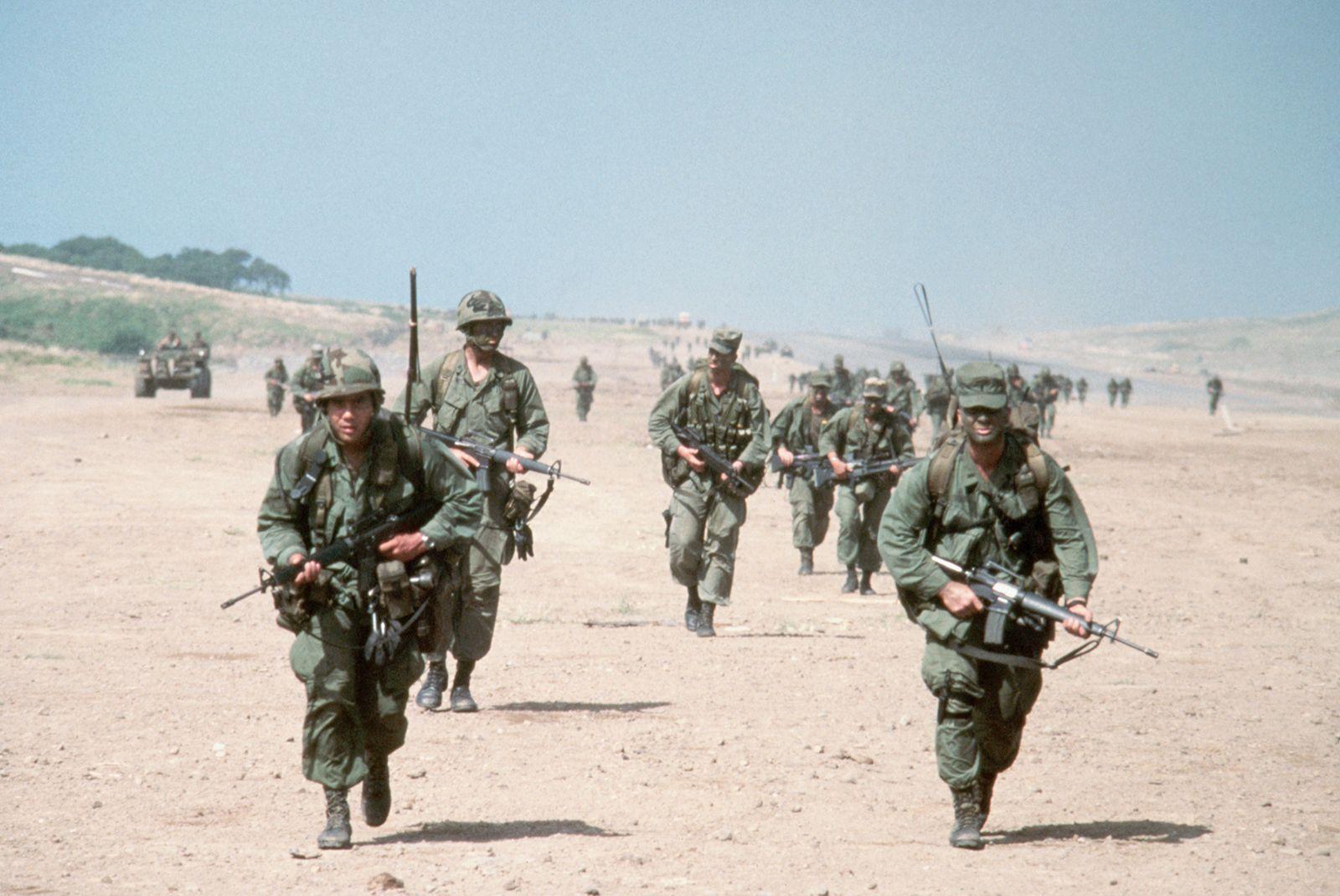
Title: The U.S. Invasion of Grenada: A Strategic Intervention in the Caribbean
On October 25, 1983, the United States launched a military intervention in Grenada, a small Caribbean island nation, amid escalating concerns about regional stability and geopolitical tensions during the Cold War. In a swift operation dubbed “Operation Urgent Fury,” U.S. troops were deployed with the stated objectives of protecting American citizens, restoring order, and countering the perceived threat of a Marxist regime allied with Cuba. The invasion marked a significant turning point in U.S. foreign policy in the Caribbean and raised critical questions about the legitimacy of military interventions. As global reactions unfolded, the operation sparked a heated debate over American interventionism and its implications for international relations and the sovereignty of small nations. In this article, we delve into the background, motivations, and aftermath of the U.S. invasion of Grenada, examining its impact on the Caribbean and broader geopolitical landscape.
US Military Action in Grenada: Analyzing the Strategic Implications of the Invasion
The U.S. invasion of Grenada on October 25, 1983, marked a decisive moment in Cold War military strategy, reflecting broader geopolitical tensions in the Caribbean region. The operation, code-named “Urgent Fury,” was prompted by concerns over the rise of a Marxist regime on the island and the safety of American citizens, particularly students at a medical school. Critics of the invasion have argued it was a unilateral act of American hegemony, while proponents insisted it was necessary to prevent the establishment of a hostile government backed by Fidel Castro’s Cuba. Key implications of the invasion included:
- Regional Stability: The swift military action was perceived as a stabilizing force against the spread of communism in Central America and the Caribbean.
- U.S. Military Credibility: The successful operation revitalized confidence in U.S. military capabilities following setbacks in Vietnam.
- Influence in Caribbean Politics: The invasion reinforced America’s influence in Caribbean politics, deterring other nations from aligning with socialist regimes.
In addition to immediate military successes, the invasion reshaped the strategic landscape and has been a subject of ongoing analysis regarding its long-term impacts. For instance, many military strategists view the operation as a precursor to more complex U.S. military interventions in Latin America. The event also spurred discussions on the legitimacy of U.S. interventionism, raising questions about sovereignty and international law. The following table summarizes critical events surrounding the operation:
| Date | Event |
|---|---|
| Oct. 19, 1983 | Coup led by Bernard Coard ousts Prime Minister Maurice Bishop. |
| Oct. 21, 1983 | U.S. deploys troops in response to instability. |
| Oct. 25, 1983 | U.S. forces launch invasion of Grenada. |
| Dec. 15, 1983 | Hostilities cease and U.S. troops begin withdrawal. |
The Impact of US Intervention on Caribbean Diplomacy and Regional Stability
The United States’ military intervention in Grenada marked a significant turning point in Caribbean diplomacy, reverberating throughout the region in the years that followed. The invasion aimed not only to secure the safety of American citizens following a coup but also to hinder the spread of Soviet influence under the guise of communism. This bold maneuver set a precedent for U.S. interaction with Caribbean nations, employing a strategy that often prioritized American interests over regional autonomy. Consequently, the reaction among Caribbean states was mixed, leading to a complex array of diplomatic relationships characterized by both support and condemnation of U.S. actions.
In the wake of the invasion, many Caribbean nations began to reassess their foreign policy strategies and commitments towards the U.S. Although some countries voiced strong opposition, many others saw an opportunity to realign their diplomatic efforts for greater stability. The repercussions of U.S. intervention included:
- Increased Military Presence: A surge in U.S. military bases in the region heightened tensions.
- Shift in Alliances: Nations began to seek new partnerships, often aligning with non-Western powers.
- Regional Institutions: Heightened emphasis on the establishment of regional organizations aimed at collective security.
| Country | Stance on U.S. Intervention |
|---|---|
| Jamaica | Opposed |
| Barbados | Supportive |
| Trinidad and Tobago | Neutral |
Lessons Learned from Grenada: Recommendations for Future US Military Engagements
The U.S. invasion of Grenada serves as a pivotal case study for assessing military interventions in foreign nations. One of the primary lessons learned is the importance of thorough intelligence gathering prior to military action. The operation faced significant challenges due to the lack of accurate and timely information regarding the political and military landscape of Grenada. Future engagements should emphasize enhanced collaboration with intelligence agencies to ensure decision-makers are equipped with comprehensive and reliable data, mitigating the risks of unforeseen complications during operations.
Furthermore, effective communication with both domestic and international stakeholders is crucial. The Grenada invasion highlighted the repercussions of unilateral military actions that do not consider the perspectives of other nations, especially allies. Establishing a framework for diplomatic dialogue prior to military engagement can enhance legitimacy and gain broader support. To this end, military operations could benefit from the establishment of clear objectives and an exit strategy that takes into account the post-operation landscape, thereby fostering stability and trust in the region.
Future Outlook
As the dust settled in Grenada following the U.S. invasion on October 25, 1983, the implications of this military action reverberated throughout the Caribbean and beyond. The intervention, officially termed Operation Urgent Fury, aimed to restore order and protect American citizens amidst rising tensions and political turmoil on the island. Critics and supporters alike continue to debate the necessity and consequences of the invasion, which not only reshaped Grenada’s political landscape but also marked a significant moment in U.S. foreign policy during the Cold War era.
The invasion underscored a pivotal shift in the United States’ approach to interventions in the region, characterized by a more assertive stance in the face of perceived threats to democracy and stability. As we reflect on this critical episode in history, the complexities of international relations, military strategy, and the quest for sovereignty remain as relevant today as they were four decades ago. The legacy of the Grenada invasion prompts ongoing discussions about interventionism, sovereignty, and the role of global powers in shaping the destinies of smaller nations.











