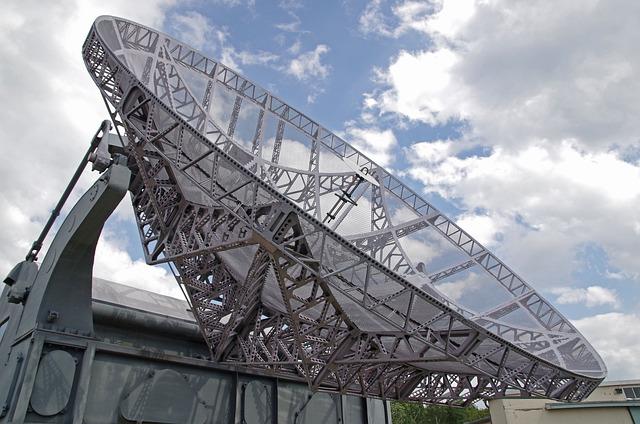
In a significant development reflecting heightened geopolitical tensions in the Caribbean region, the United States has announced plans to establish a military radar system on the island of Grenada aimed at monitoring activities in neighboring Venezuela. This move comes amid growing concerns over Venezuela’s political instability and its implications for regional security. As the U.S. seeks to bolster its surveillance capabilities, Grenada’s strategic location offers a vantage point for tracking movements and potential threats emanating from the embattled South American nation. Local officials and citizens now face an array of questions regarding the implications of foreign military presence on Grenadian sovereignty, as well as broader concerns about the escalating U.S.-Venezuela conflict. This article delves into the details surrounding the proposal, the historical context of U.S. military activity in the Caribbean, and the potential ramifications for Grenada and its neighbors.
U.S. Military Radar Proposal in Grenada: Implications for Regional Security
The recent proposal by the United States to establish military radar installations in Grenada has sparked significant discussion regarding its potential ramifications for regional security. With Venezuela’s political and economic turmoil escalating, U.S. officials argue that enhanced surveillance capabilities will enable them to better monitor any threats emerging from the South American nation. Key concerns include:
- Heightened Military Presence: The construction of radar facilities could signify a more substantial U.S. military footprint in the Caribbean, prompting reactions from both regional allies and adversaries.
- Geopolitical Tensions: Venezuela, under Nicolás Maduro, has expressed hostility towards U.S. actions, leading to fears of increased hostility and possible military confrontation in the region.
- Regional Partnerships: The proposal might prompt Caribbean nations to bolster their own national security efforts, potentially leading to an arms race or enhanced military agreements.
In light of the proposal, a deeper analysis of the implications for regional alliances and trade routes is essential. The following table illustrates the potential effects of this military installation:
| Possible Impact | Description |
|---|---|
| Increased Vigilance | Enhanced capabilities for tracking maritime and aerial movements in the Caribbean. |
| Economic Implications | Potential disruption of trade with Venezuela and neighboring countries due to increased tensions. |
| Diplomatic Strain | Possible deterioration of U.S.-Venezuelan relations affecting regional diplomatic climate. |
Analyzing the Strategic Necessity of Monitoring Venezuela from the Caribbean
The strategic positioning of military assets in the Caribbean, particularly in Grenada, underscores a heightened focus on monitoring Venezuela’s evolving situation. The U.S. intends to establish radar capabilities that will enhance its surveillance reach in a region that has historically been influenced by geopolitical tensions. The decision reflects a broader strategy aimed at countering destabilizing activities attributed to the Venezuelan government, which has been accused of fostering unrest and exerting influence across Latin America. This proposed military presence not only aims to bolster U.S. national security but also seeks to reassure regional allies concerned about the ramifications of Venezuela’s internal conflicts.
Additionally, the advantages of deploying military radar in Grenada extend beyond mere surveillance. The initiative can facilitate improved intelligence-sharing with Caribbean nations, reinforcing collaboration against potential threats, including drug trafficking and human smuggling that have roots in Venezuela’s turmoil. Key points of consideration include:
- Enhanced intelligence capabilities: Increased awareness of Venezuelan military movements and regional threats.
- Strengthened diplomatic relations: Fostering partnerships with Grenada and other Caribbean nations.
- Regional security framework: A unified approach to handling crises that stem from Venezuela’s instability.
Recommendations for Diplomatic Engagement Amidst Growing Military Presence
As the United States aims to establish a military radar facility in Grenada for monitoring Venezuelan activities, diplomatic channels must be prioritized to mitigate potential tensions in the Caribbean. Engaging with regional stakeholders is crucial, especially to communicate the intentions behind military expansions and to clarify any misconceptions. Active dialogue with Caribbean Community (CARICOM) nations can foster understanding and reassurance about the U.S. presence, allowing for collective security arrangements that benefit all involved.
Moreover, multilateral forums should be leveraged to address security concerns comprehensively. Encouraging open discussions about military postures, joint training exercises, and shared intelligence can enhance cooperation and reduce the perception of threat among nations. Key recommendations for diplomatic engagement include:
- Conducting regular summits with Caribbean nations to discuss security dynamics.
- Establishing joint maritime patrols to deter illicit activities in the region.
- Creating a regional security council to address collective challenges in a collaborative manner.
Building trust will be essential to navigate the intricacies of regional politics and military presence. Prioritizing openness and transparency will help allay fears and foster a more stable environment for dialogue and cooperation across the Americas.
Concluding Remarks
In conclusion, the U.S. proposal to establish a military radar installation in Grenada as a means to monitor activities in Venezuela has ignited a complex web of geopolitical implications in the Caribbean region. As Washington seeks to enhance its surveillance capabilities in the face of ongoing concerns regarding security and stability in Venezuela, the potential deployment raises critical questions about regional cooperation, sovereignty, and the balance of power. Local stakeholders, as well as neighboring nations, will undoubtedly be watching closely as discussions progress. The evolving dynamics of U.S.-Caribbean relations will be pivotal, not only in determining the future of this initiative but also in shaping the broader context of international diplomacy in Latin America. As the situation develops, it remains imperative for all parties involved to prioritize dialogue and strategic partnership in navigating these challenging waters.