
That Time We Invaded Grenada: A Closer Look at Operation Urgent Fury
In the early morning hours of October 25, 1983, the United States launched a military intervention in Grenada, a small Caribbean island-nation whose political turmoil had drawn international attention. Code-named Operation Urgent Fury, this controversial invasion was initiated under the auspices of restoring order and protecting American citizens amid claims of increasing violence and a Marxist threat. The operation, which lasted just a few weeks, marked a pivotal moment in Cold War geopolitics, igniting debates over U.S. foreign policy, military engagement, and the implications of interventionism. Nearly four decades later, the legacy of Grenada’s invasion endures, serving as a case study in military strategy, diplomacy, and the complex dynamics of regional politics. In this article, we explore the events leading up to the invasion, the execution of the operation itself, and the lasting impact it had on U.S. relations in the Caribbean and beyond. Join us as we recount this significant chapter in history and examine what lessons can be gleaned from that fateful decision to invade Grenada.
The Military Strategy Behind the Invasion of Grenada
The strategic rationale behind the military operation in Grenada, codenamed Operation Urgent Fury, was multifaceted, encompassing both geopolitical considerations and immediate tactical objectives. The U.S. aimed to thwart the spread of communism in the Caribbean, as the 1979 Cuban-aligned revolution in Grenada posed a direct threat to American interests in the region. Furthermore, the situation was exacerbated by concerns over the welfare of American students attending a medical school on the island. The decision to invade was driven by a need to stabilize the perceived chaos following a violent coup and restore a non-communist government swiftly.
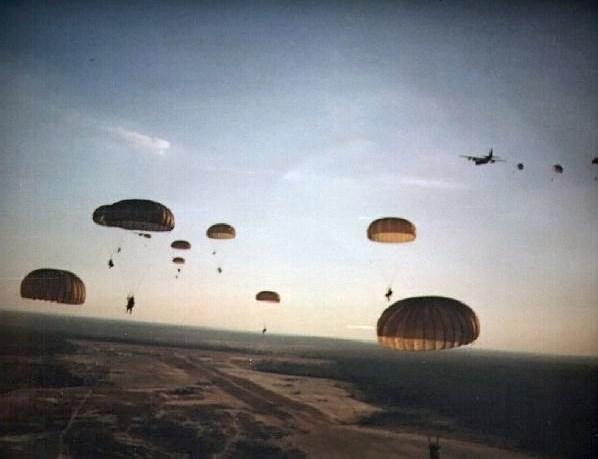
Executing the invasion required careful planning and coordination among various branches of the military. The initial assault force was composed of over 7,000 troops, including elite units such as the 82nd Airborne Division and Navy SEALs. Key strategies included:
- Splitting forces across multiple landing zones to overwhelm enemy defenses.
- Utilizing air superiority to support ground operations, including close air support from fighter jets.
- Engaging local resistance fighters to bolster the U.S. presence and facilitate a smooth transition of power.
| Strategic Objectives | Execution |
|---|---|
| Secure American lives | Immediate rescue operations |
| Restore order | Rapid deployment of troops |
| Counter Soviet influence | Support for regional allies |
Analyzing the Political Ramifications of U.S. Intervention
The U.S. intervention in Grenada in 1983 marked a significant moment in Cold War politics, particularly as it pertained to America’s approach to communist movements in the Caribbean and Central America. Following the coup that ousted the pro-Western government, the U.S. justified its military presence by citing concerns for the safety of American citizens and the potential spread of communism in the region. This decision not only reflected the administration’s commitment to countering Soviet influence but also underscored the delicate balance of power in the Western Hemisphere. Key political ramifications included:
- Strengthening regional alliances: The intervention solidified ties with Caribbean nations, many of whom supported U.S. actions.
- Criticism from global leaders: The invasion faced backlash as a unilateral act disregarding international law.
- Domestic political implications: The successful military operation temporarily boosted President Reagan’s approval ratings and reinforced his tough-on-communism image.
In the wake of the invasion, several long-term consequences unfolded, transforming not only Grenada but also shifting the geopolitical landscape in the region. The U.S. forged closer relationships with Caribbean nations, promoting a security framework that aimed to prevent any similar pro-communist government formation. At the same time, critics argued that the invasion set a precedent for future interventions, challenging the sovereignty of smaller nations. The incident contributed to ongoing discussions regarding the legitimacy and ethics of foreign interventions, particularly in contexts where U.S. interests are perceived to be at stake. The changing perceptions regarding U.S. military engagement can be summarized in the following table:
| Aspect | Impact |
|---|---|
| Regional Security | Enhanced cooperation with Caribbean nations. |
| International Relations | Strained relations with non-aligned countries. |
| U.S. Foreign Policy | Increased readiness for military interventions. |
Lessons Learned: What Grenada Teaches About Future Military Engagements
The military intervention in Grenada in 1983 serves as a pivotal case study for understanding the dynamics of modern military engagements. During Operation Urgent Fury, the United States acted unilaterally, highlighting the importance of rapid response under perceived threats. This operation underscores the significance of intelligence gathering and situational awareness before engaging in military actions. Key lessons can be drawn, including:
- Intelligence Accuracy: The need for reliable intelligence to inform strategic decisions.
- Allied Engagement: The value of coalition-building for legitimacy and operational success.
- Media Management: The impact of media narratives on public perception and policy decisions.
Furthermore, the Grenada operation illuminated the complexities of post-conflict reconstruction and stabilization. Although the immediate objectives were achieved, the long-term implications of military presence in foreign nations became apparent, prompting reflection on nation-building and cultural understanding. Engaging with local communities and respecting sovereignty can significantly impact the effectiveness of future operations. Essential considerations include:
- Local Governance: Involving community leaders to foster trust and cooperation.
- Economic Stability: Addressing underlying economic issues to prevent conflict resurgence.
- Education and Training: Investing in local forces to promote sustainability and self-sufficiency.
Wrapping Up
In conclusion, the 1983 invasion of Grenada remains a complex episode in U.S. military history, characterized by both strategic motivations and profound implications for international relations. As we reflect on this critical moment, it is essential to acknowledge the various perspectives surrounding the operation, from the political narratives that propelled it to the experiences of those directly affected on the island. The invasion not only shaped the Caribbean landscape but also set a precedent for future American interventions in the region. Today, as we analyze this event through the lens of history, it serves as a reminder of the intricate dynamics of power, diplomacy, and the lasting impact of military actions. “We Are The Mighty” strives to bring these stories to light, fostering a greater understanding of our past as we navigate the complexities of our present and future.









