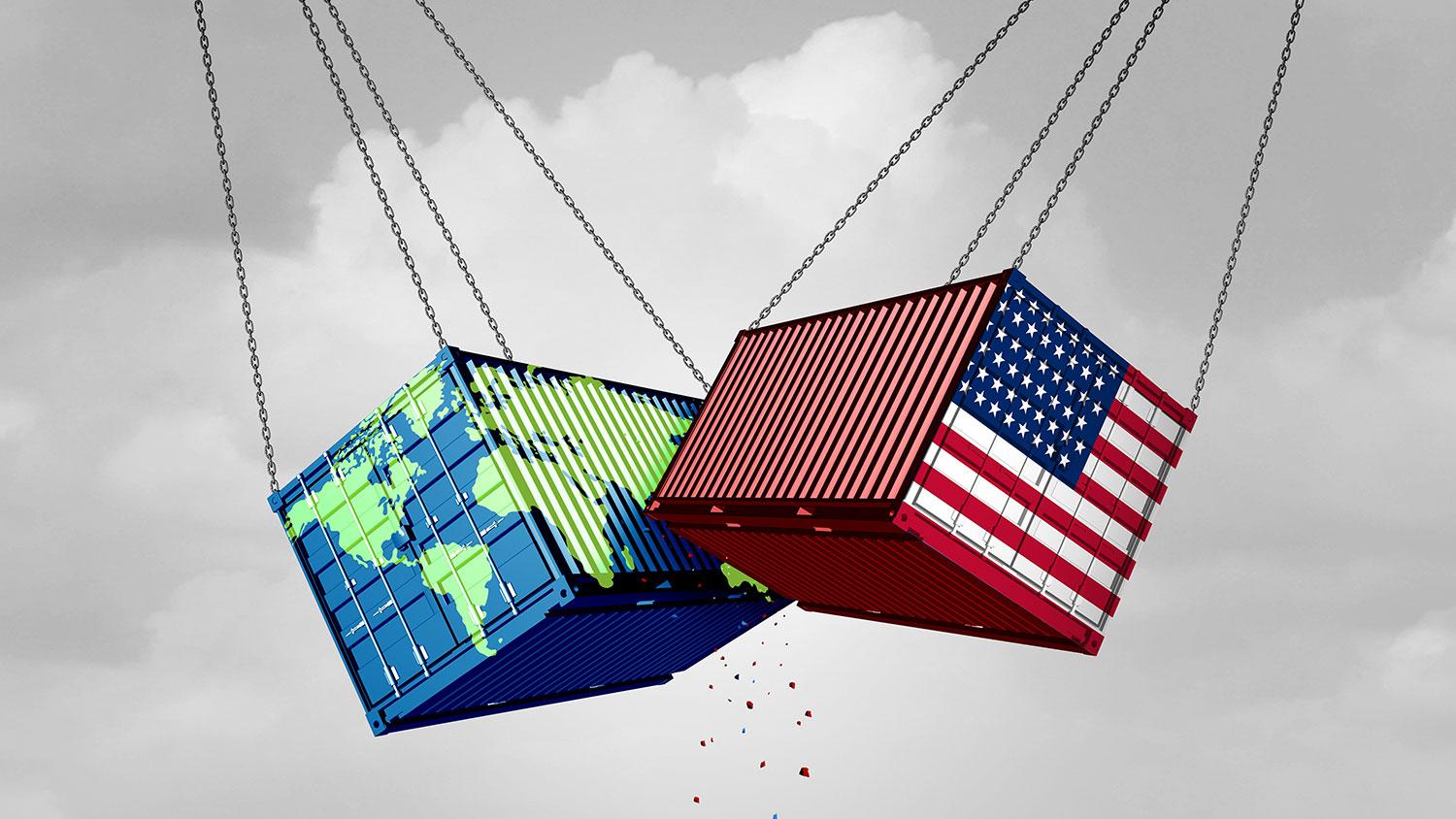
Title: The Looming Impact of the Trade War on Grenada’s Economy
In an increasingly interconnected global economy, the reverberations of international trade disputes can ripple far beyond their origin. The ongoing trade war has sparked concerns among small nations, with Grenada poised to face significant repercussions. As tariffs and trade barriers escalate between major economic powers, the implications for Grenada’s agriculture, tourism, and overall economic stability are becoming more pronounced. This article explores the potential fallout of the trade conflict, examining how Grenada’s reliance on external markets may leave it vulnerable to unexpected shocks and illustrating the urgent need for strategic responses from policymakers to safeguard its economic future.
Impact of Global Trade Tensions on Grenada’s Economy
The escalation of global trade tensions, particularly between major economies, poses a significant threat to Grenada’s economy. As a small island nation heavily reliant on agriculture and tourism, Grenada is vulnerable to fluctuations in global markets. Increased tariffs and trade barriers can lead to higher import costs for essential goods, such as food and machinery, directly impacting local consumers and businesses. Furthermore, Grenada’s export markets, primarily for nutmeg and other spices, could face diminished demand if key trading partners reduce imports due to their own economic challenges or retaliatory tariffs. This situation may curtail the income of local farmers and disrupt the livelihoods of many families who rely on these exports.
Moreover, as the world grapples with the ramifications of trade disputes, Grenadian tourism, an integral part of its economy, may suffer as well. With many travelers reassessing their vacation plans in the wake of economic uncertainty, Grenada may see a reduction in visitor numbers. The consequences could include:
- Lower hotel occupancy rates
- A decline in service sector jobs
- Fewer investment opportunities in the hospitality industry
As the economic fallout unfolds, the government and local businesses must remain vigilant, exploring new markets and partnerships to mitigate these challenges. The urgency for diversification becomes even clearer, aiming for a more resilient economy that can withstand the pressures of international trade dynamics.
Strategies for Mitigating the Adverse Effects of the Trade War
As Grenada braces for the consequences of an escalating trade war, proactive measures can be crucial for minimizing its impact on the economy and daily lives of citizens. One effective strategy is the diversification of export markets. By seeking out new trading partners and reducing reliance on traditional markets, Grenadian businesses can better withstand external shocks. In doing so, the nation could also invest in local industries, enhancing self-sufficiency and creating a buffer against global trade fluctuations.
Additionally, the government could strengthen trade agreements with neighboring Caribbean nations. Establishing enhanced regional cooperation may facilitate smoother trade flows and create opportunities for bulk purchasing, which can lower costs for consumers and producers alike. Furthermore, fostering innovation and entrepreneurship within the local workforce will be critical. Initiatives to encourage skill development and access to technology can empower Grenadians to adapt to changing market demands, ensuring resilience in the face of external economic pressures. Key strategies may include:
- Incentivizing local produce: Support farmers by promoting local products.
- Trade facilitation: Streamline customs processes for quicker access to necessary goods.
- Strengthening financial support: Provide grants or low-interest loans to small businesses affected by the trade war.
Opportunities for Resilience and Adaptation in Grenada’s Industries
As Grenada braces for potential economic challenges stemming from the ongoing trade war, industries across the island have the opportunity to pivot and innovate. Businesses can adopt sustainable practices and embrace technological advancements to enhance productivity. Strategies could include:
- Diversifying Agricultural Exports: Expanding beyond nutmeg and cocoa to include organic fruits and vegetables that cater to niche markets.
- Investing in Eco-Tourism: Developing unique, environmentally friendly tourism experiences to attract a broader demographic.
- Strengthening Local Supply Chains: Reducing dependency on imports by fostering local production and processing capabilities.
Furthermore, collaboration between government, businesses, and local communities can accelerate resilience-building efforts. Public-private partnerships for infrastructure improvements and access to funding can empower initiatives aimed at adapting to market changes. Economic resilience can be bolstered by creating an inclusive business ecosystem, which may include:
- Skills Development Programs: Training the workforce to meet the demands of emerging industries.
- Innovation Hubs: Establishing centers that support startups and encourage creativity in problem-solving.
- Access to Financing: Providing small businesses with grants or low-interest loans to facilitate growth and diversification.
To Conclude
In conclusion, the looming trade war presents significant challenges for Grenada, as the ripple effects of escalating tariffs and international tensions threaten to impact its economy and the livelihoods of its citizens. As the nation grapples with these impending changes, it becomes increasingly vital for policymakers and industry leaders to devise strategies that mitigate the potential fallout. Stakeholders must remain vigilant and proactive in navigating this evolving landscape to safeguard Grenada’s economic stability and prosperity. As global trade dynamics continue to shift, the call for resilience and adaptability becomes more critical than ever for this small island nation. The full implications of these developments will unfold in the coming months, and it is essential for Grenadians to stay informed and engaged as the situation evolves.