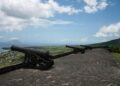
Caribbean Matters: Remembering ‘Urgent Fury’-Reagan’s Invasion of Grenada
On October 25, 1983, the world awoke to the startling news of a U.S. military invasion of Grenada, a small Caribbean island nation. Code-named “Operation Urgent Fury,” President Ronald Reagan’s decision to deploy American troops in the wake of a coup that had deposed the country’s Marxist government marked a defining moment in Caribbean and U.S. foreign relations. As we reflect on the legacy of this controversial military intervention nearly four decades later, the implications of Reagan’s actions continue to reverberate across the region. In an era characterized by Cold War tensions and ideological battles, the invasion not only sought to reshape Grenada’s governance but also aimed to reassert U.S. influence in the Caribbean-a region deeply impacted by the ripples of global superpower rivalries. This article delves into the historical context, the motivations behind ‘Urgent Fury,’ and its lasting effects on Grenada and neighboring island nations, illuminating the complexities that continue to define Caribbean politics today.
Reassessing Military Intervention in Grenada’s Legacy
The 1983 invasion of Grenada, dubbed Operation Urgent Fury, remains a pivotal moment in U.S. military history, marked by both swift action and considerable controversy. Proponents argued that the intervention was necessary to protect American citizens and restore order following a destabilizing coup that threatened to solidify a Marxist regime in the Caribbean. However, critics contend that the motivations were rooted more deeply in Cold War geopolitics, asserting that the invasion was primarily a demonstration of U.S. power in a region perceived as vulnerable to Soviet influence. The legacy of this military action invites us to consider the broader implications for sovereignty in the Caribbean and the role of outside powers in shaping regional governance.
In reassessing the legacy of Grenada, it is essential to weigh the consequences beyond immediate military success. The invasion had significant humanitarian and political repercussions, including:
- Decimation of local governance, leading to a long-term dependency on external military intervention.
- Civilians caught in crossfire, resulting in loss of life and displacement.
- Shift in U.S.-Caribbean relations, with countries questioning the motives behind American interventions.
- Long-lasting impacts on Grenadian cultural identity, as national pride mixed with sentiments of foreign intervention.
It is crucial to examine how these elements shaped Grenada’s post-invasion journey. Understanding how military interventions can forge or fracture a nation’s identity provides insightful context into contemporary discussions around foreign involvement in local affairs.
The Human Cost of Urgent Fury: Voices from the Past
The invasion of Grenada in 1983, code-named Urgent Fury, left deep emotional and physical scars on its people, with many individuals recounting their experiences of chaos and loss. Survivors remember the day the troops arrived as one filled with uncertainty, fear, and a desperate struggle for survival. As homes were destroyed and families shattered, the voices of those directly impacted by the conflicts resonate powerfully. They share harrowing accounts of separation from loved ones, the destruction of communities, and the long-term psychological impacts of living through the violence. Key testimonies include:
- A mother’s story of frantic searches for her children as gunfire echoed.
- An elder’s reflection on the loss of neighbors and friends who never returned.
- The recollections of children who witnessed military actions, leaving lasting impressions on their young minds.
Furthermore, the socioeconomic repercussions of the invasion are still being felt decades later. Post-invasion, many Grenadians found themselves navigating a new world marred by poverty and uncertainty. Recovery efforts were hampered by ongoing political strife and a stagnation in economic growth. The government struggled to rebuild amidst the remnants of war, leading to widespread disillusionment among the populace. A brief survey of the impacts reveals:
| Impact | Description |
|---|---|
| Displacement | Thousands were uprooted from their homes. |
| Economic decline | Tourism and agriculture suffered significantly. |
| Psychological trauma | Long-term mental health issues increased. |
Lessons Learned: Charting a More Thoughtful Foreign Policy in the Caribbean
The legacy of the U.S. invasion of Grenada in 1983 serves as a stark reminder of the complexities inherent in Caribbean foreign policy. What did we learn from “Urgent Fury”? History teaches us that interventions may yield short-term gains but often overshadow deeper, long-term consequences. Among the key lessons are:
- Importance of Local Context: Understanding the socio-political landscape of Grenada was essential to navigate the aftermath effectively.
- Building Relationships: Engaging diplomatically with Caribbean nations fosters cooperation and mutual respect.
- Guarding Against Misinterpretation: Assumptions about governance and ideology without local insight can lead to misguided policies.
As we assess current strategies, it’s crucial to acknowledge the increased significance of listening to Caribbean voices in decision-making. The modern foreign policy framework should prioritize consistent dialogue and collaboration, aiming to not only protect U.S. interests but to genuinely uplift the regional partners. Here’s a brief overview of more recent collaborative initiatives that could guide future approaches:
| Initiative | Description | Outcome |
|---|---|---|
| Caribbean Basin Security Initiative | A program to enhance security cooperation among the Caribbean nations. | Reduction in crime rates and drug trafficking. |
| U.S.-Caribbean Climate Partnership | Coalition aimed at addressing climate change challenges. | Increased resilience and sustainability projects across the region. |
By learning from past mistakes and adapting to changing dynamics, the U.S. can embrace a more thoughtful and inclusive foreign policy in the Caribbean. This approach not only honors the history and sovereignty of the nations involved but also lays a foundation for mutual prosperity and stability.
Future Outlook
As we reflect on the events surrounding the U.S. invasion of Grenada, it is crucial to recognize the lasting impact of these historical decisions on Caribbean diplomacy and regional stability. The operation, dubbed “Urgent Fury,” not only reshaped the lives of Grenadians but also set the stage for how the United States would approach foreign interventions in the decades to follow. Understanding this pivotal moment in history requires a nuanced perspective that considers both the geopolitical motivations and the human consequences of such actions.
As we remember the complexities of 1983 and its implications, it serves as a reminder of the ongoing importance of vigilance in foreign policy-one that seeks not just to protect national interests, but to support the sovereign rights and dignity of all nations. The lessons drawn from Grenada continue to resonate in the collective memory of the Caribbean, highlighting the need for constructive engagement rather than military intervention. In commemorating “Urgent Fury,” we must also celebrate the resilience of Grenadians and all Caribbean nations, who have forged their path toward self-determination and regional unity despite the shadows of past interventions.