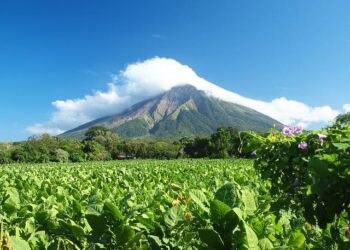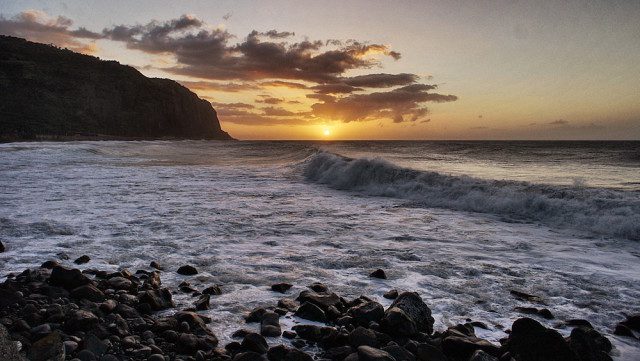
Cascade Langevin (Grand Galet Falls) in the Réunion National Park. (Miwok / flickr)
La Reunion National Park covers about 40 percent of the island, and was added to the World Heritage list by UNESCO in 2010.
“Dominated by two volcanic peaks, the site has a great diversity of escarpments, forested gorges and basins that together create a spectacular landscape,” UNESCO wrote. “It serves as a natural habitat for a great diversity of plants with a high degree of endemism. There are subtropical rainforests, the foggy moors and forests, forming a remarkable mosaic of ecosystems and landscape features.”
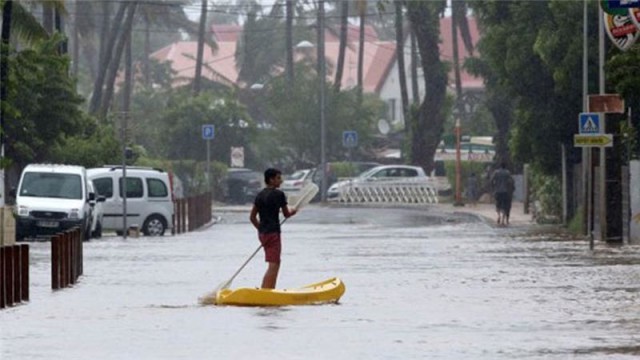
(AFP)
Greatest 12-hour rainfall (Jan. 7-8, 1966): 45 inches
Greatest 24-hour rainfall (Jan. 7-8, 1966): 71.8 inches
Greatest 72-hour rainfall (Feb. 24-26, 2007): 154.72 inches
Greatest 96-hour rainfall (Feb. 24-26, 2007): 194.33 inches (That’s over 16 feet / 4.9 meters of rain!)
It’s small
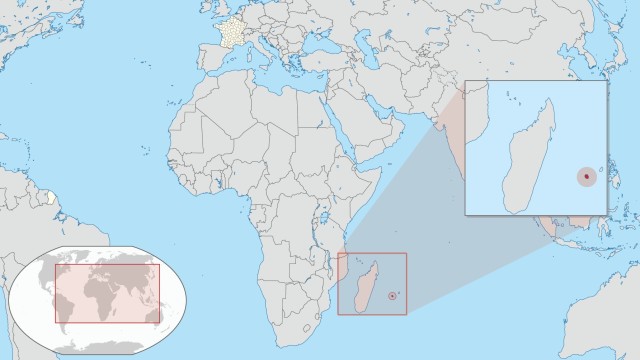
Just over half the size of Rhode Island, Reunion Island covers 970 square miles. 841,000 people live there, roughly 500 miles off the east coast of Madagascar and 100 miles southwest of Mauritius.
It’s part of France (and the EU)
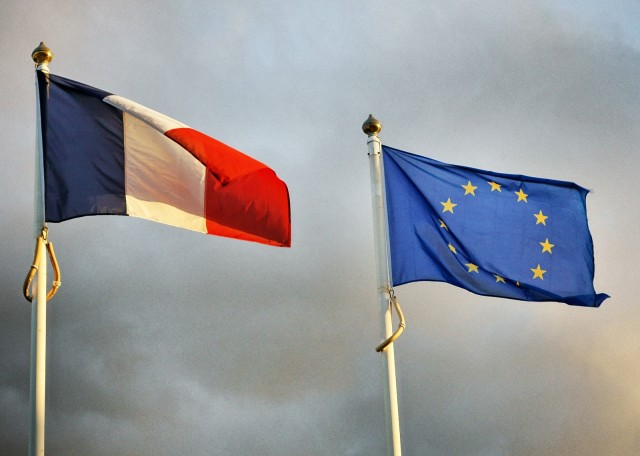
(Miwok / flickr)
France is broken into 27 regions, like Alsace and Burgundy. Five are overseas: French Guiana in South America, Guadeloupe and Martinique in the Caribbean, Mayotte off of southeast Africa, and Reunion. Since it’s a part of France, it’s an outmost region of the EU and is also a part of the eurozone — it’s pictured on the lower left of the back of the note. The official language is French, and most also speak Reunion Creole.
It was colonized by France in the 17th century, when 20 settlers were sent there in 1665. Before that, it was the prison for a dozen French mutineers who were sent from Madagascar. Africans, Chinese, Europeans, and Indians were later brought in as workers. It was a colony until 1946, when it was made an official part of France.
Sugar is a big deal
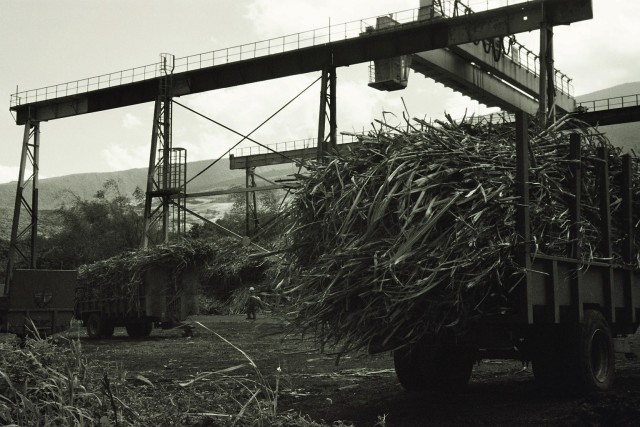
Sugar cane packing on Reunion Island(Carsten aus Bonn / flickr)
Next to tourism and other services, the sugar industry is one of the biggest pieces of Reunion Island’s economy. It’s responsible for 18,000 jobs according to Le Monde.
It’s (relatively) rich
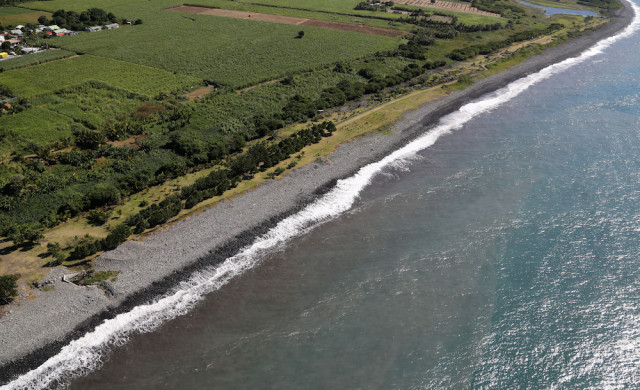
(AFP PHOTO / RICHARD BOUHET)
The GDP per capita was $26,369 in 2013, according to Eurostat. If Reunion Island were it’s own country, it would rank No. 35 in the world — between Cyprus ($27,910) and South Korea ($25,997). But there’s also a large wealth gap — at least 40 percent of the workforce is unemployed.
22 gorgeous photos that totally make us want to visit Reunion Island
A selection of photographs by flickr member Miwok that really, really make us want to visit Reunion Island. See the full photostream here.
[flagallery gid=158]
Related
Source link : https://america.cgtn.com/2015/07/31/7-things-you-probably-dont-know-about-reunion-island
Author :
Publish date : 2015-07-31 03:00:00
Copyright for syndicated content belongs to the linked Source.