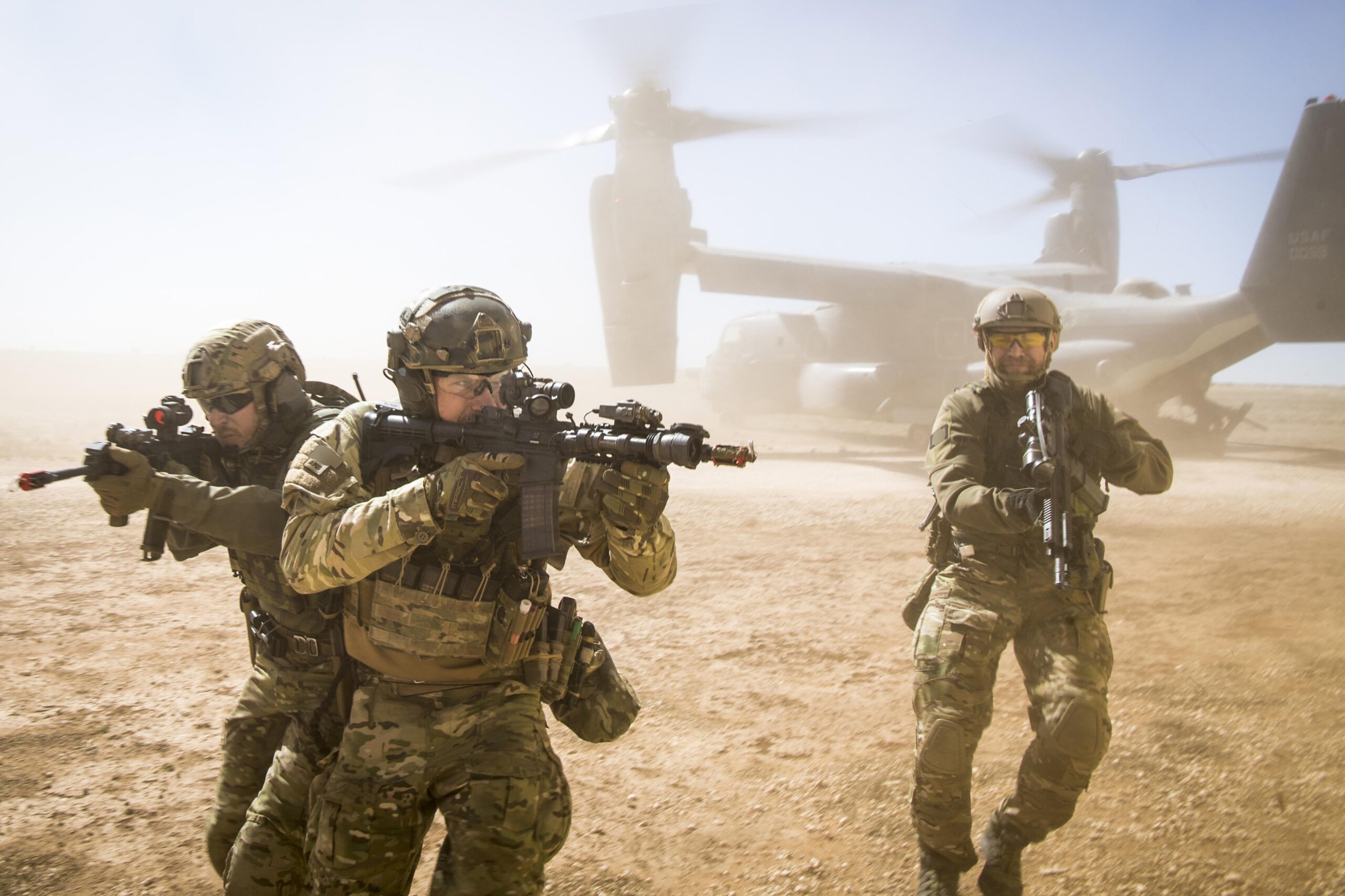
In a significant move aimed at bolstering regional security, France has announced the deployment of military forces to the Caribbean to combat the escalating threat of drug trafficking in the region. This strategic decision has drawn attention not only for its implications on local safety but also for its potential alignment with the broader anti-drug initiatives previously championed by former U.S. President Donald Trump. As concerns mount over the increasing influence of drug cartels and organized crime in the Caribbean, President Emmanuel Macron’s military intervention raises questions about international collaboration in addressing this pervasive issue. This article explores the motivations behind France’s deployment, its implications for Caribbean nations, and how this aligns with or diverges from the American efforts led by the Trump administration.
France’s Strategic Military Deployment in the Caribbean Targets Drug Trafficking Challenges
The recent announcement of France’s military deployment in the Caribbean comes as a strategic response to the escalating challenges posed by drug trafficking in the region. With its strategic location, the Caribbean has long served as a transit point for narcotics heading toward the United States and other destinations. In a collaborative effort, France aims to counteract the rising influence of organized crime by enhancing surveillance and intervention capabilities. The deployment will involve naval ships, airborne reconnaissance units, and special forces, operating in tandem with regional allies. This multi-faceted approach is designed to reinforce law enforcement operations and increase intelligence sharing among nations wresting control from cartels.
The move also highlights a potential shift in international cooperation as European countries align their tactics with the United States’ ongoing war on drugs. Such collaboration may spark a new era of strengthened partnerships aimed at tackling transnational crime. Among the anticipated benefits of this deployment are:
- Increased Operational Coordination: Ensuring seamless communication between military and law enforcement agencies.
- Comprehensive Surveillance: Utilizing drones and maritime patrol to monitor illicit activities.
- Training and Support: Equipping local forces with enhanced skills and resources.
This joint effort is expected to not only disrupt illicit drug routes but also foster regional stability, enticing other nations to participate in shared security initiatives.
Analyzing the Implications of Franco-American Cooperation on Regional Security
The recent deployment of French military forces in the Caribbean illustrates a burgeoning partnership between France and the United States, particularly in the realm of regional security. This alignment not only signals a united front against prevalent threats such as drug trafficking but also reflects the shifting dynamics of international relations in the region. Analysts point to the following implications of this Franco-American collaboration:
- Enhanced Intelligence Sharing: Joint operations are likely to facilitate better intelligence exchanges, allowing both nations to act swiftly against trafficking networks.
- Increased Military Presence: France’s tactical support can deter illicit activities by establishing a visible military presence in the Caribbean, a region often used as a transit route for drugs.
- Strengthened Regional Alliances: This cooperation may encourage other Caribbean nations to join forces, reinforcing multilateral efforts to maintain security and stability.
The collaboration also opens up avenues for the French military to modernize its approach in line with American military strategies. A potential restructuring of resources can foster innovative advancements in counter-narcotics operations. To better highlight the partnership, a comparative focus on military expenditures and operational effectiveness of both nations can be illustrated in the following table:
| Country | Military Expenditure (2023) | Active Military Personnel | Counter-Narcotic Operations |
|---|---|---|---|
| United States | $800 billion | 1,400,000 | Extensive |
| France | $56 billion | 203,000 | Growing focus |
This alignment ushers in a new phase of cooperation that may redefine security protocols in the Caribbean, potentially yielding far-reaching effects on the drug trade and overall regional stability.
Recommendations for Effective Collaboration in Combating Caribbean Narcotics Trade
Strength in Unity is essential when addressing the pervasive issue of narcotics trafficking in the Caribbean region. To maximize the effectiveness of military operations and law enforcement efforts, collaborative frameworks among Caribbean nations, the United States, and France must be established. Proposed measures include:
- Joint Task Forces: Creating specialized units that combine resources, training, and intelligence to streamline operations against drug cartels.
- Shared Intelligence Platforms: Implementing advanced technology for real-time data sharing on trafficking routes, high-risk ships, and suspicious activities.
- Community Engagement Programs: Developing local initiatives that educate and empower communities to resist narcotics influence and to report suspicious behavior.
Furthermore, strategic diplomatic alliances will play a crucial role in enhancing regional security. Collaborative economic strategies should address the underlying issues that fuel drug trafficking. Initiatives could encompass:
- Economic Development Projects: Investing in sustainable economic opportunities to reduce dependency on the drug trade.
- Regional Policy Frameworks: Establishing comprehensive policies that unify various nations’ approaches to drug enforcement and prevention.
- Legal Framework Harmonization: Aligning laws across jurisdictions to facilitate effective prosecution of drug offenses.
To Wrap It Up
In conclusion, France’s decision to deploy military forces in the Caribbean marks a significant shift in its approach to regional security and drug trafficking. This move, which echoes similar strategies employed by the United States under former President Trump, suggests a growing urgency to combat the escalating threat of narcotics smuggling that impacts both sides of the Atlantic. As President Macron steps into this complex geopolitical landscape, the implications for France’s role in global drug enforcement and international collaboration remain to be seen. Observers will be watching closely to see how these developments unfold and what they mean for the future of security in the Caribbean and beyond.