
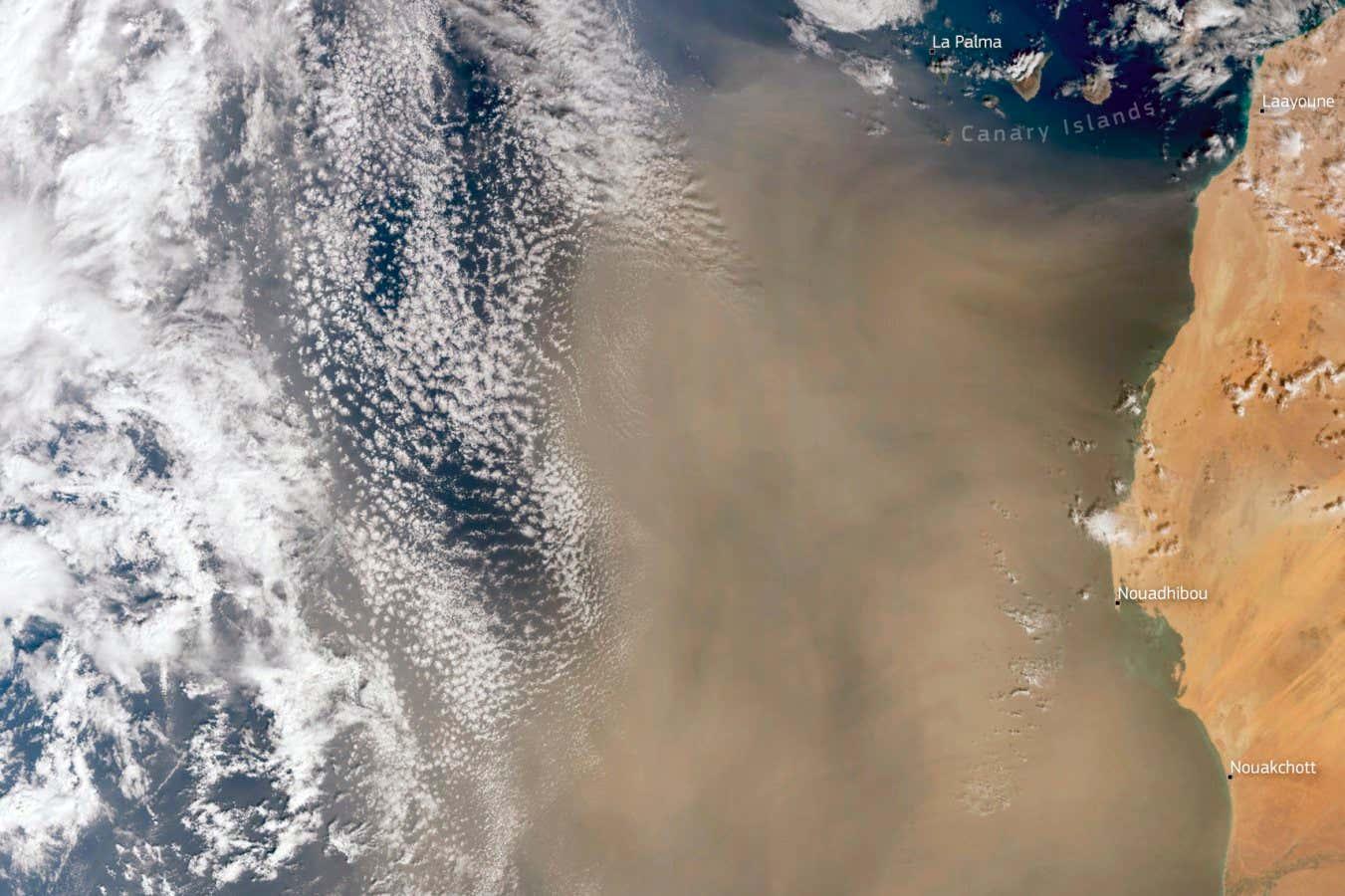
A vast plume of Saharan dust has engulfed the Caribbean, significantly altering air quality and visibility across the region. This massive dust cloud, which originated from the Sahara Desert, is traveling over thousands of miles of ocean, reaching islands and coastal communities from the Bahamas to Puerto Rico. Experts are warning residents about the potential health impacts, as the increased particulate matter in the air can exacerbate respiratory conditions and other health issues. As this natural phenomenon unfolds, scientists and local authorities are closely monitoring its effects, urging caution amidst the thick haze that blankets the sun-soaked landscapes of the Caribbean.
Saharan Dust Cloud Causes Health Concerns Across the Caribbean
A massive plume of Saharan dust has swept across the Caribbean, bringing with it a multitude of health concerns for the region’s residents. This phenomenon, although a natural occurrence, poses significant challenges, particularly for individuals with respiratory conditions. Health experts are urging people to take precautions, especially those who are elderly, children, or have pre-existing health issues. As the dust engulfs the atmosphere, it can lead to a range of symptoms that include:
- Worsening asthma
- Allergic reactions
- Reduced air quality
- Increased respiratory infections
Various health authorities are advising residents to stay indoors during peak dust exposure times. Simple preventive measures can make a substantial difference, such as wearing masks, using air purifiers, and staying hydrated. Additionally, a recent study highlights the potential long-term effects of repeated exposure to such dust clouds, raising concerns about:
| Effect | Description |
|---|---|
| Chronic Respiratory Diseases | Potential for long-term respiratory issues linked to exposure. |
| Cardiovascular Problems | Increased risk of heart-related complications. |
| Allergic Sensitivity | Heightened reactions to allergens due to compromised air quality. |
Impact on Air Quality and Climate: Understanding the Environmental Effects
The recent encroachment of a massive Saharan dust cloud over the Caribbean raises significant concerns regarding air quality and climate implications. While the phenomenon is a natural occurrence, the scale of this event is unprecedented, leading to varying effects on both health and the environment. Areas engulfed by the dust are likely to experience a marked increase in particulate matter, which can exacerbate respiratory conditions and contribute to a decline in overall air quality. The following are some key health impacts:
- Respiratory Issues: Increased dust can trigger asthma and other breathing difficulties.
- Allergic Reactions: Heightened levels of substances can aggravate allergic symptoms.
- Visibility Reduction: Dust haze can impair visibility, affecting transportation safety.
Moreover, the influx of mineral-rich dust into the atmosphere has potential long-term effects on the climate. As the particles settle, they can influence oceanic and atmospheric conditions, which may lead to shifts in weather patterns and precipitation levels. The Saharan dust is also known to fertilize marine ecosystems, altering the dynamics between oceanic life and climate. The following are notable climatic impacts:
| Effect | Description |
|---|---|
| Ocean Fertilization | Increases nutrients leading to phytoplankton blooms. |
| Weather Patterns | Can alter rainfall patterns and temperature changes. |
| Climate Feedback | Influences atmospheric heat distribution, potentially affecting global temperatures. |
Practical Tips for Residents: Safeguarding Health During Dust Events
As the Caribbean grapples with the impact of a massive Saharan dust cloud, residents must take proactive measures to protect their health. When air quality diminishes due to dust accumulation, especially fine particulate matter, individuals can experience various health issues, particularly respiratory problems. It’s crucial to stay informed and adopt some protective strategies:
- Limit outdoor activities: When dust levels are high, staying indoors can significantly reduce exposure. Consider rescheduling outdoor events or errands for times when dust concentrations are lower.
- Use air filters: Investing in high-efficiency particulate air (HEPA) filters for your home can help trap dust particles, creating a cleaner indoor environment.
- Stay hydrated: Drinking plenty of water helps maintain overall health, as hydration supports respiratory function and helps to thin mucus.
- Monitor local air quality: Stay updated with air quality reports from local weather stations. Apps and websites can provide real-time information about dust levels in your area.
- Wear masks: If it’s necessary to go outside, wearing a mask can create a barrier against inhaling harmful particulates.
For those with pre-existing health conditions, particularly respiratory issues such as asthma or chronic obstructive pulmonary disease (COPD), extra caution is warranted. Consulting healthcare providers for personalized advice can lead to more tailored protective measures. Here are additional suggestions for managing your health during these dust events:
| Health Tip | Description |
|---|---|
| Medication Review | Ensure you have an adequate supply of medications, particularly inhalers, and consult your doctor if you experience any worsening symptoms. |
| Home Cleanliness | Regularly clean surfaces to reduce dust accumulation, thereby improving indoor air quality. |
| Plan for Emergencies | Have an action plan in place for worsening air quality, including knowing when to seek medical attention. |
Wrapping Up
As the massive Saharan dust cloud continues to envelop the Caribbean, scientists and residents alike are grappling with the implications of this natural phenomenon. While the dust may disrupt air quality and weather patterns, it also serves as a reminder of the intricate connections between our planet’s ecosystems. Authorities are urging individuals, particularly those with respiratory conditions, to take necessary precautions as the effects of the dust persist. As we await further updates on this unfolding story, the event highlights the ongoing challenges posed by climate dynamics and the need for continued research into their far-reaching impacts. Stay tuned to BBC News for the latest developments.











