
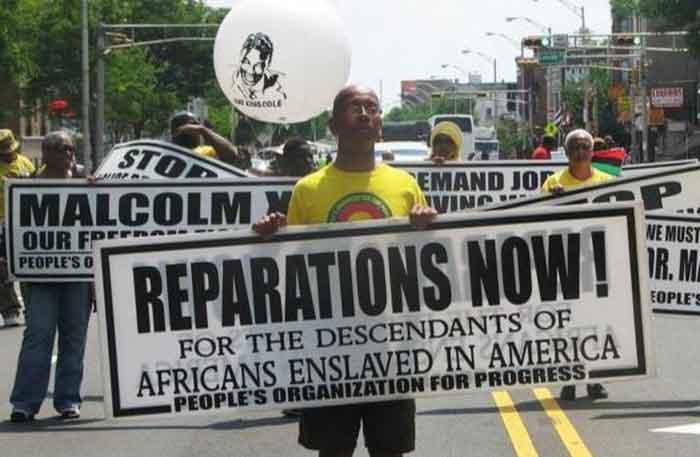
In recent years, the debate surrounding reparations for slavery has intensified across the globe, prompting nations to confront their historical injustices. France, a country with a complex colonial past, has found itself at the forefront of this conversation as advocates push for reparations for the descendants of enslaved individuals in its former colonies. The question of whether France should pay these reparations has sparked a passionate discourse, intertwining issues of race, history, and justice. As public sentiment shifts and calls for accountability grow louder, News Decoder delves into the arguments for and against reparations, examining the implications of this contentious issue on French society and its collective memory.
France’s Historical Responsibility: Unpacking the Legacy of Slavery
France’s colonial past is marked by a complex interplay of power, exploitation, and systemic inequality. The era of slavery deeply influenced the nation’s economic and social structures, with the profits from enslaved labor fueling the French economy and contributing significantly to the wealth of many institutions. As historical records show, the French Caribbean colonies, particularly Saint-Domingue (now Haiti), were central to this exploitative system. The repercussions of such practices are not only confined to historical texts; they resonate in contemporary discussions regarding social justice and structural racism in France. In light of this history, many are questioning the moral obligation France may have towards the descendants of enslaved people regarding reparations, emphasizing the need for a candid dialogue on the long-term implications of slavery.
Advocates for reparations argue that acknowledgement of historical grievances is essential to rectifying past injustices. They highlight several key points:
- Recognition of Past Injustices: An official acknowledgment of slavery’s impact helps to confront systemic racism.
- Financial Reparations: Providing monetary reparations could address socio-economic disparities faced by descendants today.
- Educational Initiatives: Investing in education about the history of slavery can foster awareness and encourage social healing.
Opponents, however, raise concerns about the practicality and implications of reparations, urging for a focus on current socio-economic equality rather than historical guilt. Ultimately, the discourse on reparations in France encapsulates the broader struggle to reconcile with a legacy that continues to shape societal structures and identities.
Examining Economic and Social Impacts of Reparations on French Society
In recent years, the conversation surrounding reparations for slavery has gained traction in France, leading to a critical examination of its potential economic and social effects on society. Advocates of reparations argue that compensation could act as a catalyst for economic empowerment among descendants of enslaved individuals, enabling them to invest in education, entrepreneurship, and home ownership. This economic boost might not only enhance the quality of life for these communities but could also stimulate broader economic growth, as increased purchasing power and entrepreneurship lead to job creation and innovation. However, critics caution that reparations could foster societal division and resentment, particularly among those who feel they bear no historical responsibility for past injustices.
The social ramifications of implementing reparations are equally profound and contentious. Proponents assert that reparations could serve as a formal acknowledgment of historical injustices, facilitating dialogue on race relations and promoting healing within French society. This acknowledgment could manifest in various forms, such as restorative justice programs, educational initiatives, and community investments. On the flip side, detractors may argue that reparations could become a divisive political issue, potentially alienating individuals who perceive such measures as unfair or discriminatory. The challenge lies in developing a reparative framework that addresses historical grievances while fostering unity and understanding among all citizens.
Towards a Reparation Framework: Recommendations for Policy and Action
The discussion surrounding reparations for the descendants of enslaved individuals in France has gained momentum, prompting a need for a comprehensive framework to address historical injustices. Key recommendations include the establishment of a government-sponsored task force dedicated to researching the impact of slavery and colonialism on communities today. This could involve gathering testimonies, tracking socioeconomic disparities, and analyzing historical data to ensure that all voices are heard and documented. Such a task force should also explore mechanisms for reparations, including direct financial compensation, investment in community infrastructure, and the promotion of cultural preservation initiatives that honor the legacies of those affected. The commitment to transparency and accountability in this process is paramount, ensuring that all stakeholders can participate fully in discussions and outcomes.
In addition to financial reparations, educational programs must be integrated into the framework to raise awareness and foster dialogue about France’s colonial history. Policy measures could include the incorporation of slavery and colonial studies into school curriculums, training for government officials on racial justice, and funding for community-led educational initiatives. Furthermore, fostering partnerships with organizations dedicated to racial equity can enhance the effectiveness of these programs. A monitoring and evaluation system should also be established to assess the impact of these initiatives, allowing for adjustments based on feedback and results. This will create a dynamic and responsive reparative system that addresses not only historical grievances but also current inequalities that stem from this painful legacy.
Insights and Conclusions
In conclusion, the debate over whether France should pay reparations to the descendants of slaves is a complex and deeply emotive issue rooted in the country’s colonial past. As discussions continue to unfold, they highlight broader questions about justice, historical accountability, and the role of reparations in contemporary society. Advocates argue that reparations could serve as a step toward healing and acknowledgment of past injustices, while opponents raise concerns about feasibility and the implications of such payments. As France grapples with its history and its impact on the present, the conversation around reparations is likely to persist, reflecting the ongoing struggle for equality and recognition in a changing world. News Decoder will continue to provide updates and insights on this critical topic as it evolves.









