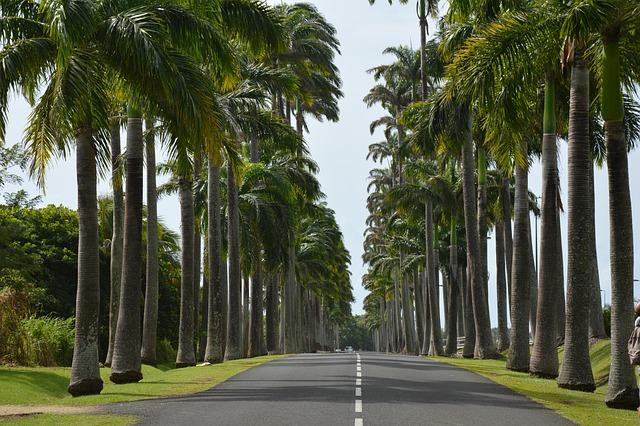
In the lush and vibrant Caribbean archipelago of Guadeloupe, cultural diversity is reflected not only in its stunning landscapes but also in its rich tapestry of languages. Situated between the Caribbean Sea and the Atlantic Ocean, this French overseas region is home to a unique linguistic landscape that combines colonial legacies with local heritage. While French serves as the official language, the island’s inhabitants also communicate in Creole, a testament to Guadeloupe’s complicated history and cultural influences. In this article, we delve into the languages spoken in Guadeloupe, exploring their origins, significance, and the role they play in shaping the identity of this enchanting island. Join us as we uncover the linguistic threads that weave together the fabric of Guadeloupean society.
Exploring the Linguistic Landscape of Guadeloupe
Guadeloupe, an archipelago in the Caribbean, presents a rich tapestry of linguistic diversity shaped by its colonial past and varied cultural influences. The island’s official language is French, reflecting its status as an overseas region of France. However, the linguistic landscape does not end there. Many locals also speak Guadeloupean Creole, locally known as Kréyol. This language, a blend of French with African, Amerindian, and Caribbean linguistic elements, serves as a vibrant embodiment of the island’s identity and heritage.
In addition to French and Kréyol, various other languages may be encountered across Guadeloupe’s neighborhoods. Factors such as tourism and globalization have further diversified the language landscape, allowing for the presence of English, Spanish, and Portuguese as well. A quick overview of the primary languages spoken in Guadeloupe illustrates this linguistic complexity:
| Language | Percentage of Speakers |
| French | Approximately 90% |
| Kréyol | Approximately 80% |
| English | Approximately 20% |
| Spanish | Approximately 10% |
This multi-lingual environment creates rich communication opportunities, offering visitors a chance to engage with both the local culture and its people. Furthermore, efforts to promote and preserve Kréyol have gained traction, highlighting a growing pride in local language as a vital aspect of Guadeloupean heritage.
Understanding the Dominance of French and Creole Languages
In Guadeloupe, the linguistic landscape is defined primarily by French and Guadeloupean Creole, also known as Kreyòl. As a territory of France, French is the official language and is predominantly used in government, media, and education. Its influence is significant, shaping formal communication and cultural expression across the island. Additionally, the French language serves as a bridge between Guadeloupe and the larger Francophone world, allowing the island to maintain close ties with French culture and institutions.
Conversely, Kreyòl has emerged as a symbol of identity and resilience among the local population. It is a Creole language derived from French, enriched with elements from African languages, Carib, and even English. Many residents use Kreyòl in daily conversation, musical expression, and local storytelling, making it a vibrant part of the island’s cultural tapestry. In recent years, there has been a growing movement to formalize and promote Kreyòl within educational curricula and public life, enhancing its status alongside French. The coexistence of these two languages reflects Guadeloupe’s unique colonial history and the ongoing evolution of its cultural identity.
Cultural Significance of Language in Guadeloupean Identity
The linguistic landscape of Guadeloupe is a rich tapestry that reflects the island’s complex history and cultural identity. The primary language spoken is French, which serves as the official medium of instruction and governance. However, Guadeloupean Creole, known as “Kréyol,” plays a crucial role in expressing the local culture and heritage. The use of Kréyol is a powerful symbol of resistance and autonomy, as it embodies the unique fusion of African, European, and indigenous influences that shape Guadeloupean identity. By embracing their native Creole, the people of Guadeloupe assert a cultural pride that distinguishes them from mainland France and fosters a sense of belonging among the islanders.
Additionally, the significance of language extends beyond mere communication; it encompasses modes of storytelling, music, and traditional practices that are vital to cultural transmission. The following elements highlight the role of language in Guadeloupean culture:
- Oral Traditions: Storytelling in Krèyol preserves folklore and indigenous wisdom.
- Music and Dance: Genres like Gwo Ka fuse language with rhythm, celebrating history and resilience.
- Cuisine Descriptions: Local dishes have names and preparations deeply rooted in both French and Krèyol language traditions.
In the dynamic interplay of languages, Guadeloupeans navigate their identities in a contemporary world while remaining deeply connected to their ancestral roots. This cultural significance underscores the idea that language is not just a tool for daily communication, but a vital vessel for carrying forward the island’s rich legacy.
Closing Remarks
In conclusion, the linguistic landscape of Guadeloupe is as rich and diverse as its culture. While French remains the official language, the prevalence of Guadeloupean Creole underscores the island’s unique historical influences and its vibrant identity. This duality not only reflects the complexities of colonization and migration but also highlights the resilience of the local population in preserving their heritage. Understanding the languages spoken in Guadeloupe provides deeper insights into the island’s societal dynamics and cultural heritage. As globalization continues to influence communication, the importance of recognizing and valuing linguistic diversity remains crucial for fostering a more inclusive global community. For those seeking to explore Guadeloupe, both linguistically and culturally, it becomes clear that the power of language bridges connections and enriches the tapestry of human experience.