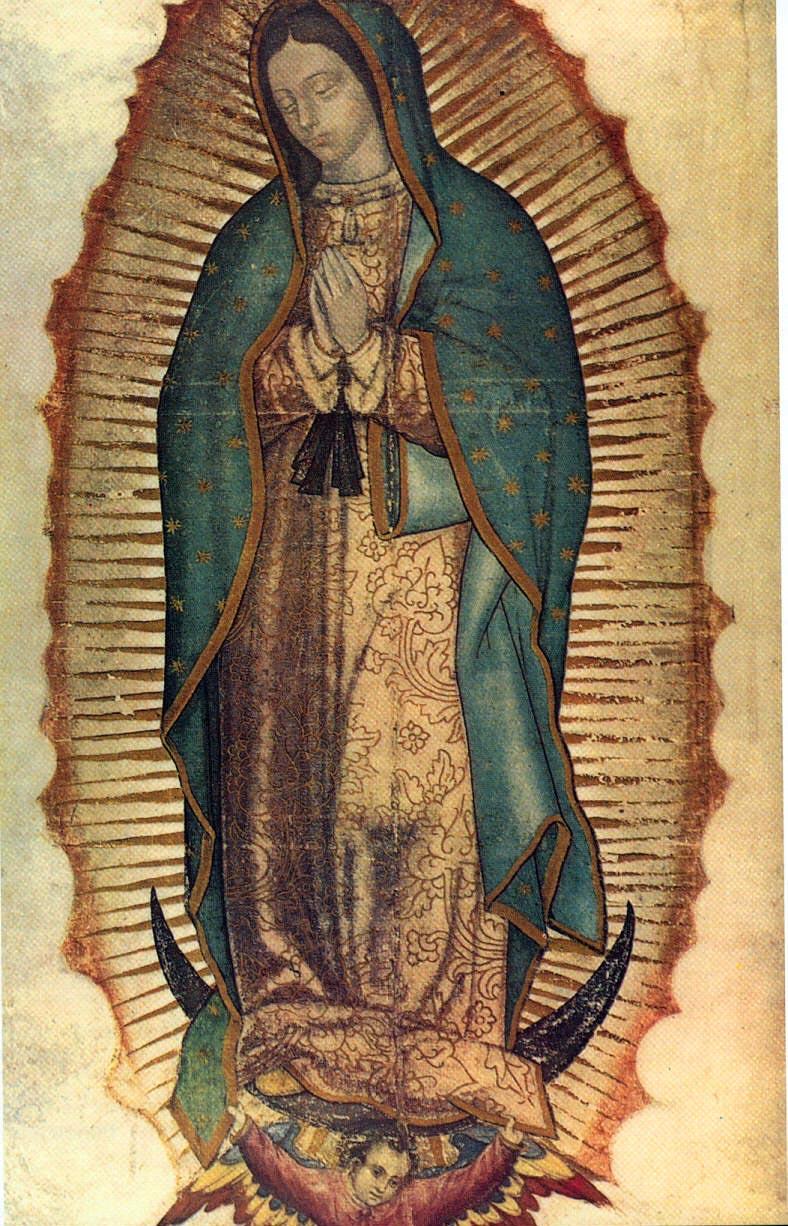
Title: 10 Things to Know About the Virgin of Guadalupe
In a tradition that intertwines spirituality and culture, the Virgin of Guadalupe holds a revered place in the hearts of millions across the Americas and beyond. As the patroness of Mexico and a symbol of faith for many, she represents not only religious significance but also a powerful national identity. In this article, we delve into ten crucial aspects of the Virgin of Guadalupe, exploring her origins, theological importance, and the ongoing role she plays in contemporary society. From her miraculous appearances to her impact on national and local celebrations, our exploration offers a comprehensive look at the enduring legacy of this iconic figure. Join us as we uncover the multifaceted dimensions of the Virgin of Guadalupe and her profound influence on devout communities and cultural practices.
Understanding the Historical Significance of the Virgin of Guadalupe
The Virgin of Guadalupe holds profound historical significance in Mexican culture and beyond, representing a pivotal moment in the intersection of Indigenous beliefs and Christian faith. Appearing to Juan Diego in 1531, she emerged as a powerful symbol of hope and identity, especially during a time of colonial upheaval. Her image is more than just religious art; it embodies a fusion of Spanish Catholicism and Indigenous spirituality, creating a unique cultural icon that resonates across generations. This blend has established her as a national symbol for Mexico, where she is venerated as the country’s patroness and a spiritual protector of the people.
Throughout history, the Virgin of Guadalupe has also played a significant role in various social movements, becoming a figure of resistance and empowerment. From the Mexican War of Independence to contemporary social justice protests, her image has served as a rallying point for marginalized communities seeking justice and recognition. Key events underscore her impact:
| Event | Year | Significance |
|---|---|---|
| Mexican War of Independence | 1810 | Symbol of national unity against colonial rule. |
| Revolutionary Movement | 1910 | Inspiration for social justice and land reform. |
| Chicano Movement | 1960s | Representation of cultural pride and identity. |
Through the centuries, the Virgin of Guadalupe has transcended her religious roots, evolving into a cultural beacon. Her annual celebration on December 12th not only attracts millions of devotees to her basilica but also fosters a sense of community among people of all backgrounds, further embedding her legacy in the fabric of Mexican society and enhancing her role as a unifying force across the Americas.
Exploring the Cultural Impact on Mexican Identity
The Virgin of Guadalupe has become a pivotal symbol in shaping the Mexican identity. As a representation of cultural syncretism, she embodies the fusion of indigenous and Spanish influences, thus serving as a touchstone for national pride and spiritual belonging. This figure is not only revered in religious institutions but also celebrated in various facets of Mexican life, from art and music to politics and community festivals. The unique blend of traditions surrounding the Virgin has fostered a sense of unity among Mexicans, making her a powerful icon in both local and diasporic contexts.
Moreover, the Virgin of Guadalupe is significant in modern social movements and identity formation. Her image has been utilized to advocate for social justice, human rights, and cultural preservation. Many contemporary artists and activists draw upon her symbolism to challenge societal norms and promote equality. Events like the annual feast day on December 12th draw millions, illustrating her continuing relevance in daily life and as a rallying point for collective identity. An examination of her cultural impact reveals the profound ways in which faith, tradition, and national identity intersect in one of the world’s most vibrant cultures.
Recommendations for Pilgrims Visiting the Basilica of Guadalupe
Pilgrims planning to visit the Basilica of Guadalupe should be well-prepared to enhance their spiritual experience and navigate the site effectively. First and foremost, dress appropriately for the occasion; modest clothing is preferred as a sign of respect. Additionally, consider wearing comfortable shoes, as the Basilica encompasses a large area and may require considerable walking. It’s also advisable to arrive early to avoid the crowds, particularly on significant feast days, when thousands gather to honor the Virgin of Guadalupe. Don’t forget to check the weather conditions before your visit to ensure a pleasant experience.
While at the Basilica, it is beneficial to familiarize yourself with the layout. Key areas to explore include the Old Basilica, which showcases stunning architecture and art, and the New Basilica, where the iconic image of the Virgin is housed. Take note of the sacramental offerings, which include opportunities for confession and Mass, providing pilgrims a chance for reflection. To fully appreciate the spiritual significance of your visit, consider participating in a guided tour led by knowledgeable guides who can share insights into the history and meaning behind this sacred site. Last but not least, remember to be mindful of your surroundings and practice courtesy towards fellow visitors as you join them in this meaningful pilgrimage.
Closing Remarks
In conclusion, the Virgin of Guadalupe stands as a profound symbol of faith, identity, and resilience for millions across the Americas. As we’ve explored in this article, her story intertwines deeply with the cultural and historical narratives of Mexico and beyond. Understanding her significance requires us to appreciate not only her religious impact but also her role in shaping social movements and cultural identities. As we continue to navigate the complexities of faith and heritage in today’s world, the Virgin of Guadalupe remains a beacon of hope and unity. For those seeking to deepen their knowledge of this iconic figure, the layers of her story offer rich insights into the intersection of spirituality and cultural expression.