
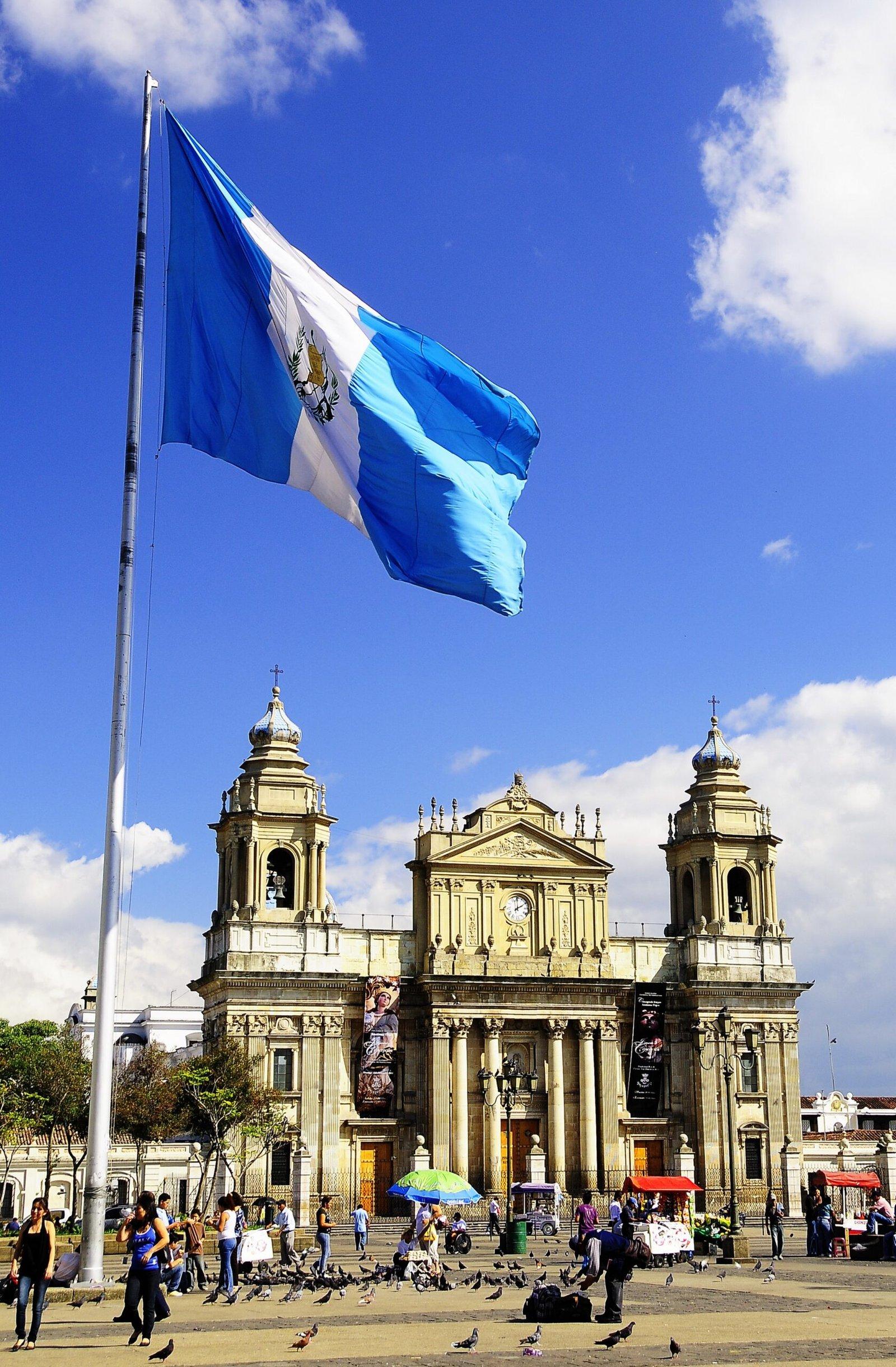
Guatemala, a vibrant tapestry of history, culture, and stunning landscapes, often captivates travelers with its picturesque Mayan ruins and lush, volcanic terrain. However, beneath the surface of this Central American gem lies a wealth of cultural nuances that many may overlook. In this article, we delve into “11 Surprising Cultural Facts You Didn’t Know About Guatemala,” revealing the fascinating customs, traditions, and historical influences that shape the daily lives of its people. From ancient rituals to modern-day practices, these revelations not only highlight the richness of Guatemalan culture but also challenge common perceptions of this diverse nation. Join us as we explore the lesser-known aspects of Guatemala, offering insights that will enhance your understanding of this enchanting country.
Discovering Guatemala’s Hidden Heritage
Guatemala is a treasure trove of cultural marvels, where every corner whispers tales of its rich history and diverse heritage. It is home to 22 different Mayan languages, which are spoken alongside Spanish, creating a vibrant tapestry of communication. Many of the indigenous communities continue to practice ancient traditions, such as weaving and pottery, using techniques passed down through generations. Each piece of craftsmanship not only serves a practical purpose but also reflects the identity and spiritual connection of the people to their land.
In addition to its linguistic diversity, the country boasts a plethora of unique festivals that highlight its heritage. Semana Santa (Holy Week) is a standout event, drawing visitors from across the globe to witness its elaborate processions and stunning alfombras (carpets made of colored sawdust). Furthermore, Guatemala holds the distinction of being home to the largest ancient Mayan city, Tikal, which is a UNESCO World Heritage site. The striking temples and ceremonial centers reveal a glimpse into a civilization that flourished long before the arrival of Europeans, emphasizing the importance of preserving these cultural landmarks.
Unraveling the Colorful Tapestry of Mayan Traditions
The vibrant essence of Mayan traditions remains a cornerstone of Guatemala’s cultural landscape, revealing a fusion of ancient rites and contemporary practices. At the heart of this colorful tapestry are traditional ceremonies that honor nature, ancestors, and community. These rituals often feature elaborate textiles, sacred corn, and intricate dances, showcasing the talents of indigenous artisans who have passed these skills down through generations. The use of vivid colors in their garments is not merely aesthetic; each hue conveys a symbolic meaning, representing different elements of life and beliefs. From the cenotes of Tikal to the bustling markets of Chichicastenango, the vibrancy of Mayan heritage is palpable, reminding visitors of a rich history that thrives in the present.
Moreover, the culinary landscape in Guatemala is deeply intertwined with Mayan customs. Traditional dishes like Pepian and Kak’ik are more than just meals; they embody centuries of history, incorporating flavors and cooking methods that have been refined over time. Culinary festivals often feature live performances, showcasing not only the intricacies of traditional cooking but also the stories behind each dish. Festivals such as the Day of the Dead and Semana Santa further exemplify the harmonious blend of indigenous and colonial influences, where vibrant parades and solemn traditions coexist. This colorful amalgamation of customs not only enriches daily life but also serves as a cultural bridge that connects generations, ensuring that the spirit of the ancient Maya lives on in modern Guatemala.
Culinary Secrets of Guatemalan Cuisine Revealed
Guatemalan cuisine is a vibrant tapestry of flavors and traditions, influenced by the country’s rich cultural heritage and diverse indigenous populations. One of the standout features of this culinary scene is the use of local ingredients, which play a crucial role in traditional dishes. Corn, a staple, is transformed into various forms such as tortillas, tamales, and atoles, providing a familiar yet versatile base for many meals. It’s not just the corn that shines; local vegetables like tomatoes, peppers, and epazote are often incorporated, creating a bold and aromatic flavor palette that defines Guatemalan food.
Another intriguing aspect of Guatemalan cuisine is its distinctive use of spices and herbs. Ingredients like cilantro, oregano, and cumin are commonly employed, but what might surprise enthusiasts is the prevalence of chocolate in savory dishes. This ancient ingredient, rooted in Maya culture, is often combined with chili to create mole sauces that add depth and richness to meat and vegetable preparations. To better understand this cultural fusion, here’s a brief overview of some must-try dishes:
| Dish | Description |
|---|---|
| Pepián | A thick, spiced meat stew traditionally made with chicken, pork, or beef. |
| Kak’ik | A fragrant turkey soup infused with herbs and spices, popularized by the Q’eqchi’ Mayans. |
| Tamales | Steamed corn dough filled with various ingredients, wrapped in banana leaves, and enjoyed during festive occasions. |
To Wrap It Up
In conclusion, Guatemala’s rich tapestry of culture is woven from a diverse array of traditions, languages, and historical influences that often go unnoticed. From the Maya civilization’s enduring legacy to the vibrant contemporary art scene, the country’s cultural landscape is as intricate as its stunning landscapes. The surprising facts presented not only deepen our understanding of Guatemala but also invite us to appreciate the complexities and nuances that shape its identity. As travelers and enthusiasts seek to explore this captivating nation, these insights serve as a gateway to a more profound appreciation of Guatemalan culture. Whether you’re planning a visit or simply expanding your knowledge, embracing the unexpected details of Guatemala will enrich your experience and foster a greater connection to this remarkable country.











