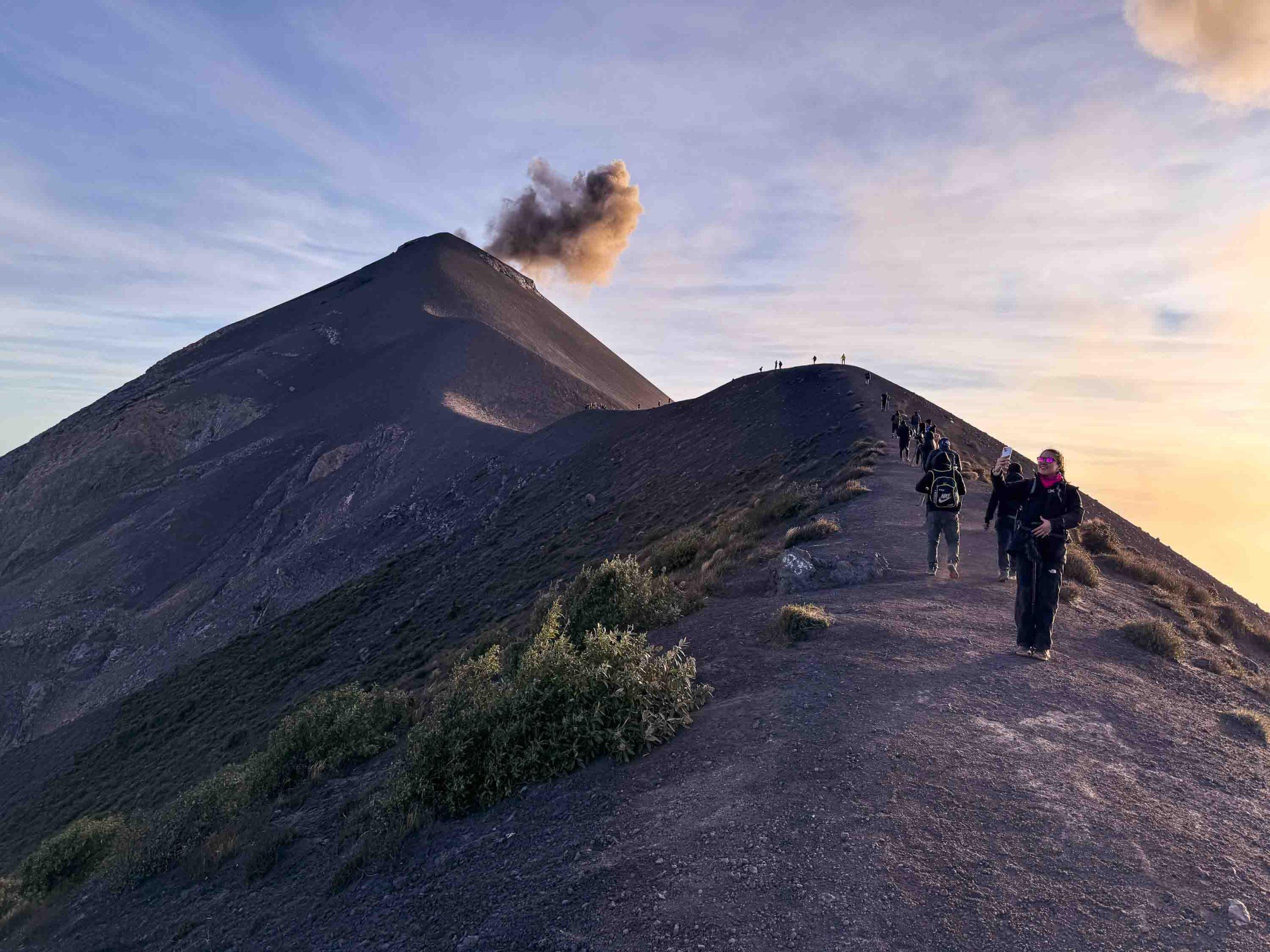
In a dramatic escalation of volcanic activity, Guatemala’s Fuego Volcano has unleashed hazardous eruptions, prompting authorities to implement emergency evacuations in nearby communities. Ashfall and pyroclastic flows have laid a blanket of ash over the region, disrupting daily life and raising urgent health concerns for residents. As plumes of ash rise high into the sky, the government and local agencies are working tirelessly to ensure the safety of those in the volcano’s vicinity. The situation remains fluid, with local officials closely monitoring seismic activity and providing guidance to residents. This article delves into the latest developments surrounding the Fuego Volcano’s eruption and the impact on the surrounding communities, as well as the efforts underway to mitigate the risks posed by Mother Nature.
Fuego Volcano Eruption Triggers Emergency Evacuations in Guatemala
In a dramatic turn of events, the Fuego Volcano in Guatemala has erupted, prompting widespread evacuations across surrounding communities. The volcanic activity, characterized by *intense ashfall and pyroclastic flows*, has threatened the safety of thousands living in the vicinity. Emergency services are working tirelessly to ensure that residents are safely relocated from high-risk areas, particularly in the municipalities of *Antigua Guatemala, Escuintla,* and *Alotenango*. The Guatemalan government has declared a state of emergency as ash clouds loom overhead, affecting air quality and causing disruptions to local transportation.
Authorities have established evacuation centers and are providing essential supplies to displaced individuals. Residents of affected zones have been warned to prepare for prolonged displacement given the unpredictability of the volcano’s activity. In collaboration with local organizations, the government is disseminating crucial information regarding safety procedures and health advisories. The following measures are currently being implemented:
- Regular monitoring of volcanic activity and air quality.
- Establishment of communication channels for updates.
- Distribution of masks and protective gear to minimize ash inhalation.
| Evacuation Centers | Capacity | Location |
|---|---|---|
| Centro de Salud | 200 | Escuintla |
| Escuela Primaria | 150 | Alotenango |
| Municipal Gym | 300 | Antigua Guatemala |
Health Hazards of Ashfall and Pyroclastic Flows in Affected Areas
The volcanic activity surrounding Fuego Volcano has raised significant health concerns for residents in nearby areas. Ashfall, characterized by fine particles spewed from the volcano, can cause a range of respiratory problems, particularly for vulnerable populations such as children and the elderly. Inhalation of volcanic ash may lead to chronic respiratory conditions, eye irritation, and skin irritations. Residents are advised to wear masks and protect their eyes with goggles when venturing outside. Other common symptoms can include coughing, difficulty breathing, and exacerbation of pre-existing conditions such as asthma.
Moreover, pyroclastic flows, which consist of hot gas and volcanic matter, pose an immediate threat to life due to their fast-moving and unpredictable nature. Individuals affected by such flows may face severe burns or injuries if caught in their path. The risks extend beyond just the direct effects; the fallout from the flows can contaminate water supplies, creating a risk of waterborne diseases. Local health officials emphasize the importance of evacuation and staying informed about volcanic activity, as safety measures can significantly mitigate these health risks. The following table summarizes the primary health hazards associated with both ashfall and pyroclastic flows:
| Health Hazard | Description |
|---|---|
| Respiratory Issues | Inhalation of ash can result in coughing, wheezing, and aggravated asthma. |
| Eye Irritation | Volcanic ash can cause redness, itching, and inflammation of the eyes. |
| Skin Irritation | Direct contact with ash can lead to rashes or burns. |
| Water Contamination | Pyroclastic flows can pollute local water sources, leading to health risks. |
Safety Recommendations for Residents Near Active Volcano Regions
Residents living in proximity to active volcanoes are urged to take proactive measures to ensure their safety amidst natural disruptions such as eruptions, ashfall, and pyroclastic flows. It is vital to stay informed about current volcanic activity by regularly checking updates from local authorities and geological agencies. In addition, residents should prepare an emergency kit that includes essential supplies such as:
- Non-perishable food
- Water (at least one gallon per person per day)
- First-aid supplies
- Battery-powered or hand-crank radio
- Dust masks or respirators
- Flashlights with extra batteries
Additionally, having a clear emergency plan is crucial. This plan should include evacuation routes and designated meeting places for family members. Residents should be aware of potential signs of an impending eruption, such as increased seismic activity or changes in gas emissions. It is advisable to monitor:
| Alert Level | Description |
|---|---|
| Green | Normal activity; no immediate threat. |
| Yellow | Increased activity; stay vigilant. |
| Orange | Possible eruption; prepare to evacuate. |
| Red | Eruption in progress; immediate evacuation urged. |
To Wrap It Up
As the eruption of Fuego Volcano continues to pose significant threats to nearby communities, authorities remain vigilant in their efforts to safeguard residents from the dangers of ashfall and pyroclastic flows. The impact on local populations has been profound, forcing many to leave their homes and seek shelter in designated safe zones. While emergency services work tirelessly to provide support and resources to those affected, the situation remains fluid and developments are anticipated in the coming days. The Tico Times will continue to monitor this critical situation, providing updates and in-depth coverage as Guatemala navigates this natural disaster. For the latest information and safety advisories, residents are urged to stay informed through official channels and follow guidance from local authorities.