
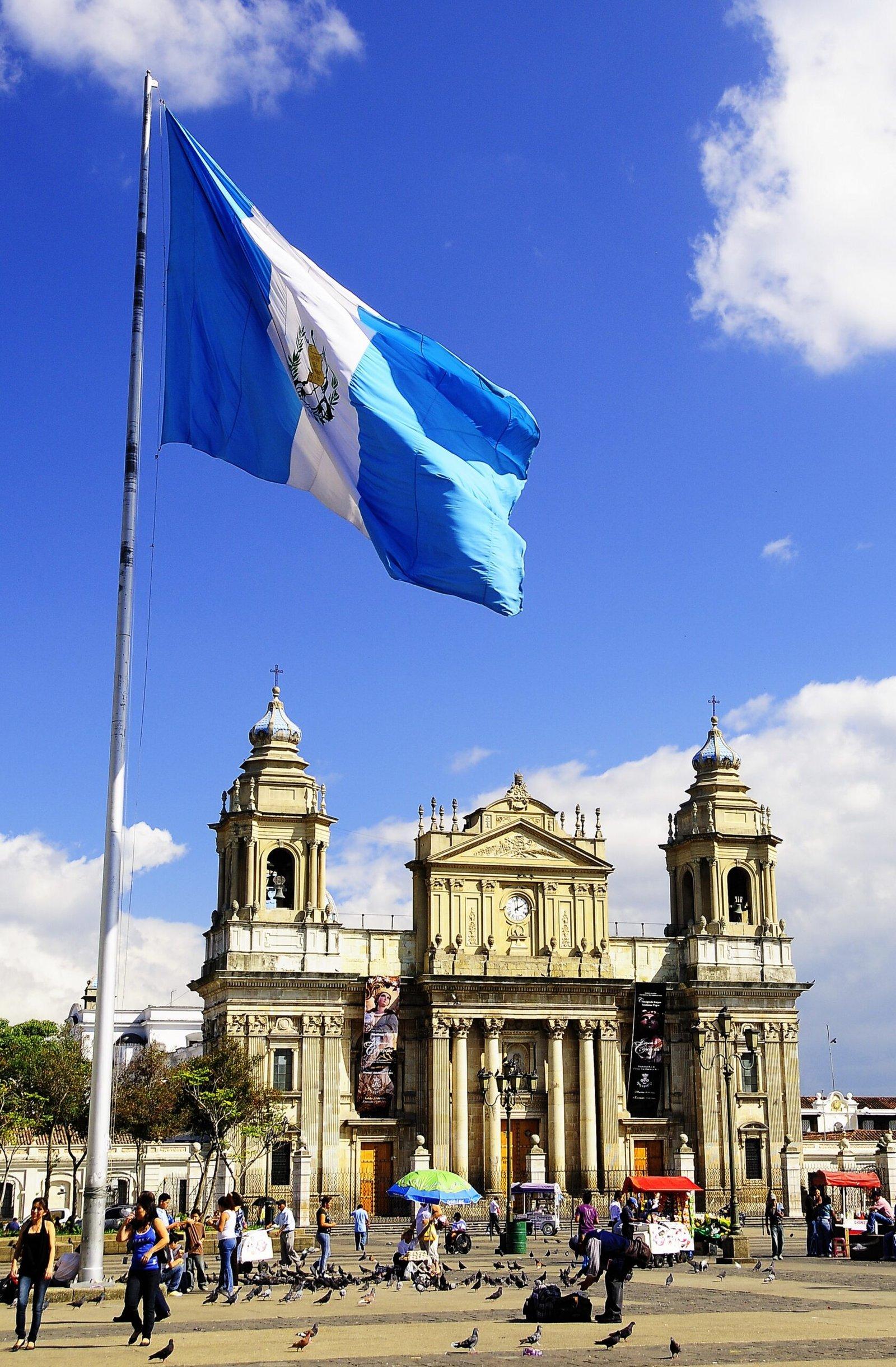
In the wake of a series of powerful earthquakes that rattled Guatemala City and its surrounding areas, authorities have taken decisive measures to protect the safety of students and staff by closing schools across the capital. The decision follows significant concerns regarding infrastructure stability and the well-being of the community. As residents begin to assess the damage and recover from the shocks, educational institutions have temporarily suspended operations to ensure the safety of their students amidst ongoing seismic activity. This development underscores the urgent response required in a nation that has long grappled with natural disasters, highlighting both the resilience of its citizens and the challenges they face in the aftermath of such events.
Guatemala’s Response to Natural Disaster: School Closures and Safety Measures
In light of recent seismic activity that has rattled the capital and surrounding regions of Guatemala, authorities have prioritized safety and precautionary measures by closing schools across the area. This decision was made to ensure the safety of students and educators, reflecting a proactive approach in the face of uncertainty. Educational leaders are collaborating with disaster response teams to monitor the situation and determine when it would be safe to resume classes. Parents have been advised to keep a close watch on updates from local officials regarding timelines for reopening and any further developments regarding the ongoing seismic threats.
The Ministry of Education has outlined several safety measures that are being implemented during this period, including:
- Regular communication: Parents will receive updated warnings and safety instructions.
- Emergency drills: Schools will conduct drills once they reopen to prepare students for potential future disasters.
- Structural assessments: All school buildings will be evaluated for safety to ensure they meet required standards before resuming occupancy.
- Community engagement: Workshops will be provided to inform families about disaster preparedness at home.
To further support families affected by the school closures, local authorities are coordinating with community health centers to provide psychological support and resources. An initial assessment of the impact of the recent seismic events can be summarized in the following table:
| Impact Category | Details |
|---|---|
| Schools Closed | 100% of schools in the capital |
| Injured Individuals | Approx. 200 |
| Estimated Damage | $5 million in property |
| Community Meetings Held | Over 50 across neighborhoods |
Impact of Earthquakes on Education in the Capital: Challenges and Support Strategies
The recent earthquakes in Guatemala’s capital have significantly disrupted the educational landscape, forcing the closure of schools across the region. This unforeseen circumstance poses a myriad of challenges for students, teachers, and educational institutions alike. Classroom damage, displacement of families, and fear among students have all contributed to a tense atmosphere that hinders learning. Furthermore, the physical and psychological impact of such natural disasters can lead to prolonged absences from school, underscoring the necessity for immediate responses to mitigate these effects.
In response to these challenges, various support strategies are being implemented to ensure the continuity of education and psychological well-being of students. Local authorities, in collaboration with NGOs, are focusing on:
- Providing temporary learning spaces equipped with essential resources.
- Delivering mental health support services to help students cope with trauma.
- Offering online learning alternatives to maintain education despite physical closures.
| Challenge | Support Strategy |
|---|---|
| Classroom infrastructure damage | Temporary learning spaces |
| Psychological trauma | Mental health services |
| School attendance drop | Online learning programs |
Community Resilience and Recovery Plans: Recommendations for Families and Local Authorities
In the wake of recent earthquakes that have shaken the capital of Guatemala, both families and local authorities must work together to foster resilience and implement effective recovery plans. Communities can bolster their preparedness by establishing communication networks that facilitate the rapid dissemination of information regarding safety protocols and recovery resources. Local authorities should prioritize the following strategies:
- Emergency Preparedness Training: Offer workshops for families on how to respond during seismic events, ensuring everyone knows immediate safety measures.
- Resource Accessibility: Create a centralized hub for information about local shelters, medical facilities, and food distribution points.
- Community Drills: Organize regular drills to simulate earthquake scenarios, enabling families to practice their response in a controlled environment.
Additionally, local authorities can encourage resilience by promoting community involvement in disaster planning. Engaging families in the discussion can lead to more tailored and effective recovery strategies. Authorities should consider the following recommendations:
- Support Networks: Create foster networks for emotional and psychological support, connecting families with counselors and community leaders.
- Infrastructure Evaluation: Assess and reinforce the structural integrity of community buildings, especially schools and healthcare facilities, to withstand future earthquakes.
- Funding for Recovery Initiatives: Allocate budgetary resources for long-term recovery plans that include infrastructure repair and community development projects.
The Way Forward
As Guatemala grapples with the aftermath of the recent earthquakes that rattled the capital, the decision to close schools underscores the gravity of the situation. Authorities are prioritizing the safety and well-being of students as they assess structural damages and aftershocks continue to pose risks. The closure highlights the resilience of the Guatemalan community, as parents, educators, and emergency services work together in response to this crisis. With rebuilding efforts and support from both local and international partners on the horizon, the path to recovery is underway. We will continue to monitor the situation and provide updates as the circumstances evolve.











