
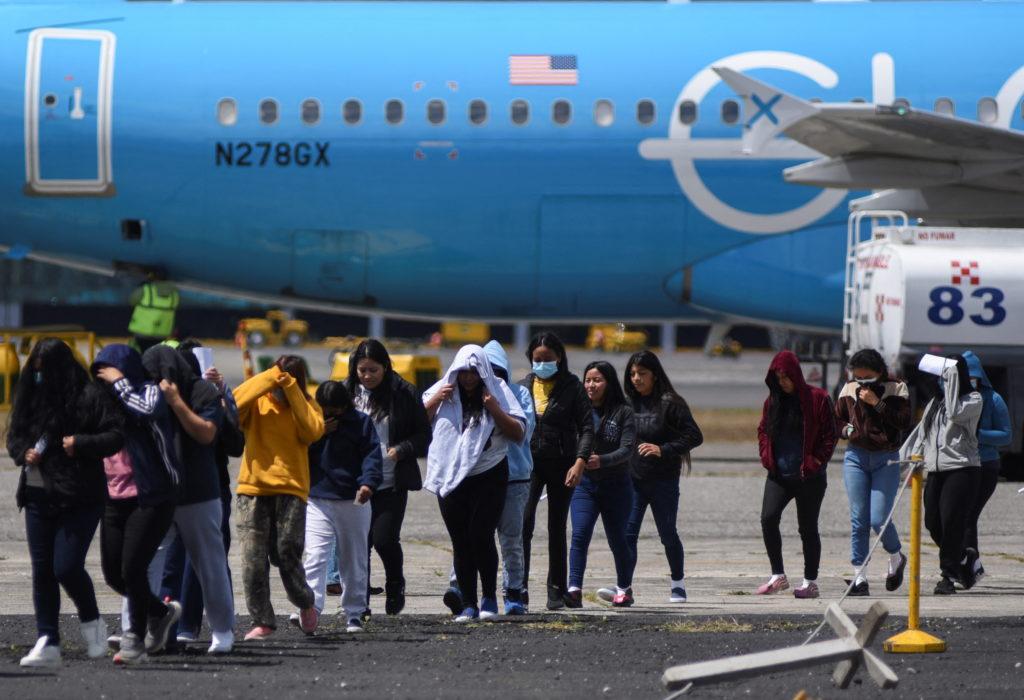
As the waves of migration continue to reshape the demographic landscape of the Americas, the return of U.S. deportees to Guatemala has emerged as a pressing issue, highlighting the intricate web of global health and social dynamics. Each year, thousands of Guatemalans are deported from the United States, often under circumstances that leave them vulnerable to a myriad of challenges upon their return. From reintegration into communities to the potential for increased health risks, the impact of these deportations reverberates far beyond national borders. In this in-depth exploration, we delve into the realities faced by Guatemanian deportees, examining the intersection of public health, economic stability, and human rights, and what it means for the future of migration policy in the region. As the conversation around migration evolves, understanding the health implications for those repatriated is crucial for fostering a more equitable response that considers not only the individuals involved but also the broader societal context.
Challenges Faced by U.S. Deportees in Guatemala and the Path Back to Stability
Returning to Guatemala after deportation presents a myriad of hardships for individuals who once hoped to build a future in the United States. Many deportees find themselves facing overwhelming economic instability, as they are often sent back with limited resources and few job prospects. The struggle to reintegrate into a society that may view them with suspicion can be exacerbated by a lack of access to essential services, such as healthcare and legal aid. The following challenges are commonly reported:
- Difficulty in securing employment: Many deportees possess skills that are not recognized in Guatemala or face stigma due to their deported status.
- Social isolation: Reuniting with family and friends can be fraught with tension, as loved ones may feel resentful or fearful of deportees.
- Mental health issues: The psychological toll of deportation is profound, with many experiencing anxiety, depression, and PTSD.
Despite these challenges, some deportees are finding paths back to stability through community support organizations and grassroots initiatives aimed at easing their transition. These organizations often offer resources that include job training, counseling, and legal support, which can play a crucial role in helping deportees establish a new life in Guatemala. Key areas of focus for successful reintegration include:
| Resource | Description |
|---|---|
| Job Training Programs | Skills development initiatives that prepare individuals for local job markets. |
| Counseling Services | Mental health support to address trauma and anxiety associated with deportation. |
| Legal Aid | Assistance with navigating legal statuses and securing necessary documentation. |
Support Systems for Reintegrating Deportees: Key Strategies for Success
Reintegration efforts for deportees returning to Guatemala from the United States require comprehensive support systems to facilitate their adjustment and ensure their stability. Community organizations play a crucial role in this process by providing resources such as employment assistance, mental health services, and legal support. Additionally, government collaboration is essential in creating policies that address the unique challenges faced by deportees, including the provision of housing and healthcare. These strategies can help lower the barriers to reintegration and foster a sense of belonging among returning individuals.
Successful reintegration also hinges on the creation of strong networking opportunities among deportees. Building connections with local community members and support groups can provide emotional solace and practical assistance. Key initiatives could include:
- Job training programs tailored to local market needs.
- Access to mentorship from those who have successfully reintegrated.
- Cultural integration workshops to ease the transition back into Guatemalan society.
Through these strategies, it becomes increasingly possible to transform the challenges of deportation into opportunities for growth, ensuring that returnees thrive in their home country.
Policy Recommendations to Enhance the Reintegration Process for U.S. Deportees in Guatemala
The successful reintegration of U.S. deportees in Guatemala necessitates a multifaceted approach that addresses the social, economic, and psychological challenges faced by returnees. Policymakers should prioritize the establishment of community support networks that can offer legal, mental health, and employment resources geared towards helping individuals regain stability. Collaboration between non-governmental organizations and local communities can facilitate programs that promote skills training, which are crucial for enhancing employability and fostering self-sufficiency. Additional funding for these initiatives could come from a variety of sources, including public-private partnerships, that aim to create sustainable pathways for reintegration.
Moreover, creating awareness campaigns that inform both deportees and local communities about available resources can mitigate stigma and encourage acceptance. Policymakers should also consider implementing policies that support transitional housing solutions, allowing deportees to secure stable living arrangements while they navigate the reintegration process. By budgeting for dedicated services that focus on job placement, mental health support, and civic engagement, Guatemala can transform its reintegration framework into a model that not only aids deportees but also strengthens the social fabric of local communities.
The Way Forward
In conclusion, the journey of U.S. deportees returning to Guatemala highlights a complex interplay of challenges and hope. As these individuals reintegrate into a society faced with economic hardships and social stigmas, their experiences underscore the importance of addressing the root causes of migration. The stories of resilience and struggle not only shed light on the personal ramifications of deportation but also invite a broader dialogue about immigration policies and their impacts on both individuals and communities. Moving forward, collaboration between governments, non-governmental organizations, and local communities will be crucial in providing support to returning migrants, ensuring they have the resources necessary to rebuild their lives. As the conversation about migration continues to evolve, the experiences of deportees serve as a powerful reminder of the human stories behind the statistics, calling for empathy and understanding in a world increasingly shaped by the forces of migration.











