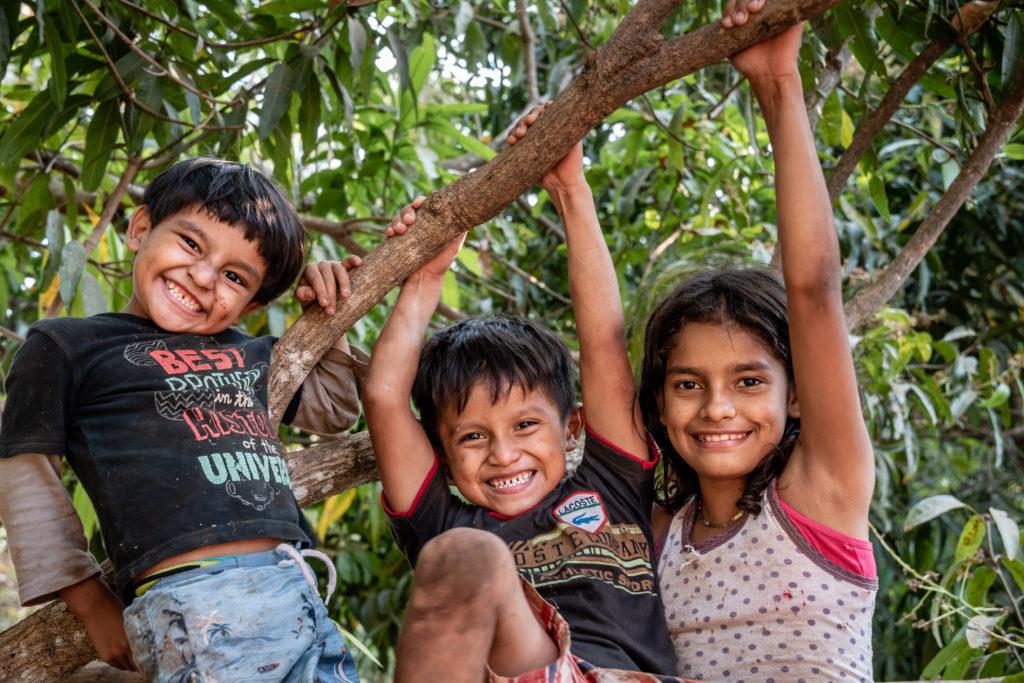
In a landmark ruling, a federal judge has ordered the United States government to suspend the deportation of hundreds of Guatemalan children, highlighting ongoing concerns regarding their treatment and the risks they face if returned to their home country. This decision underscores the complex legal battles surrounding immigration policy and the protection of vulnerable populations, particularly amid heightened scrutiny of the U.S. immigration system. As the case unfolds, advocates for children’s rights are urging for more comprehensive protections and a reevaluation of the processes that put young migrants at risk. This ruling not only impacts the lives of those directly involved but also adds a significant chapter to the broader discourse on immigration reform and humanitarian obligations.
Judge’s Ruling Highlights Legal Protections for Unaccompanied Minors
A recent ruling by a federal judge underscores the need for robust legal protections for unaccompanied minors seeking refuge in the United States. The decision mandates that the U.S. government must pause deportation proceedings for hundreds of Guatemalan children who have arrived at the southern border. The implications of this ruling highlight the ongoing challenges faced by these vulnerable populations and the importance of ensuring they receive fair treatment under U.S. immigration law. This significant step not only protects these individuals from immediate danger but also reinforces the obligation of the government to adhere to international human rights standards.
Legal advocates have emphasized the ruling as a pivotal moment in safeguarding the rights of unaccompanied minors. The court’s emphasis on the following points has been particularly noteworthy:
- Best Interest of the Child: Recognizing the inherent rights of children to safety and stability.
- Due Process Rights: Ensuring children are afforded a fair opportunity to present their asylum cases.
- Protection from Harm: Acknowledging the potential dangers these minors face if forcibly returned to their home countries.
This ruling serves as a crucial reminder of the need for comprehensive immigration reform that prioritizes the protection of the most vulnerable and upholds the values of compassion and justice within the U.S. immigration system.
Impact of Deportation Delay on Guatemalan Families and Migration Patterns
The recent ruling to halt the deportation of hundreds of Guatemalan children has significant implications for both the families involved and migration patterns across Central America. Families face prolonged separations that can fracture familial bonds and disrupt the already fragile social structures within their communities. Many parents express deep concern over the psychological toll that these delays exert on their children, who are left in legal limbo without any clear prognosis for their future. The uncertainty surrounding deportation statuses can lead to increased anxiety and stress for families, often forcing them to reconsider their options regarding migration altogether.
Furthermore, this situation has the potential to reshape migration trends as families weigh the risks and benefits of leaving Guatemala. Factors influencing these decisions include:
- Economic Stability: Delays in deportation may embolden families to seek better opportunities in the U.S. rather than returning to precarious conditions.
- Safety Concerns: In some regions of Guatemala, violence and instability remain prevalent, driving families to migrate despite legal uncertainties.
- Networks of Support: Increased community support for families facing deportation can create ripple effects, encouraging more families to embark on migration trails.
As a result, the dynamics of migration may shift, with an uptick in individuals seeking asylum or residency in the U.S. rather than immediate deportation. The long-term implications of such changes could alter both the demographic profile of migrant groups and the socio-economic landscapes from which they hail.
Recommendations for Strengthening Asylum Processes to Safeguard Vulnerable Children
The current landscape of asylum processes often leaves vulnerable children at risk, particularly those from Central American nations facing systemic violence and poverty. To effectively safeguard these children, it is imperative to implement comprehensive reforms that prioritize their safety and well-being. Key recommendations include:
- Expedited Asylum Hearings: Create specialized legal frameworks that ensure swift processing of claims from minors, minimizing the time children spend in detention.
- Access to Legal Representation: Guarantee that all vulnerable children have access to qualified legal counsel to navigate complex immigration laws and advocate for their rights.
- Trauma-Informed Care: Incorporate mental health resources and support systems into the asylum process, recognizing the psychological toll that displacement inflicts on young lives.
- Collaboration with Child Welfare Agencies: Partner with organizations specializing in child welfare to provide a holistic support network that addresses educational, health, and social needs.
Furthermore, establishing clear guidelines for the evaluation of claims related to human trafficking and persecution could enhance the protection of vulnerable minors. Considerations should also include:
| Aspect | Recommendation |
|---|---|
| Treatment of Victims | Provide non-punitive measures and protective services to child trafficking victims. |
| Cultural Competency Training | Train asylum officers in cultural awareness to improve understanding of the contexts faced by children from diverse backgrounds. |
| Family Reunification Efforts | Prioritize efforts that keep families together during asylum processing to reduce trauma. |
To Conclude
In conclusion, the recent court ruling marks a significant moment in the ongoing debate over immigration policy and the treatment of vulnerable populations within the United States. By halting the deportation of hundreds of Guatemalan children, the judge not only underscores the importance of safeguarding the rights of minors but also highlights the complexities surrounding the legal processes of asylum seekers. As advocates celebrate this temporary victory, attention shifts to the broader implications for U.S. immigration policy and the future of those seeking refuge. The case serves as a reminder of the humanitarian challenges at the intersection of law and migration, as the nation grapples with its obligations to protect the most vulnerable among us. As developments unfold, keeping a vigilant watch on the evolving landscape of immigration will be crucial for understanding the lasting impact on both the lives of these children and U.S. policy direction.