
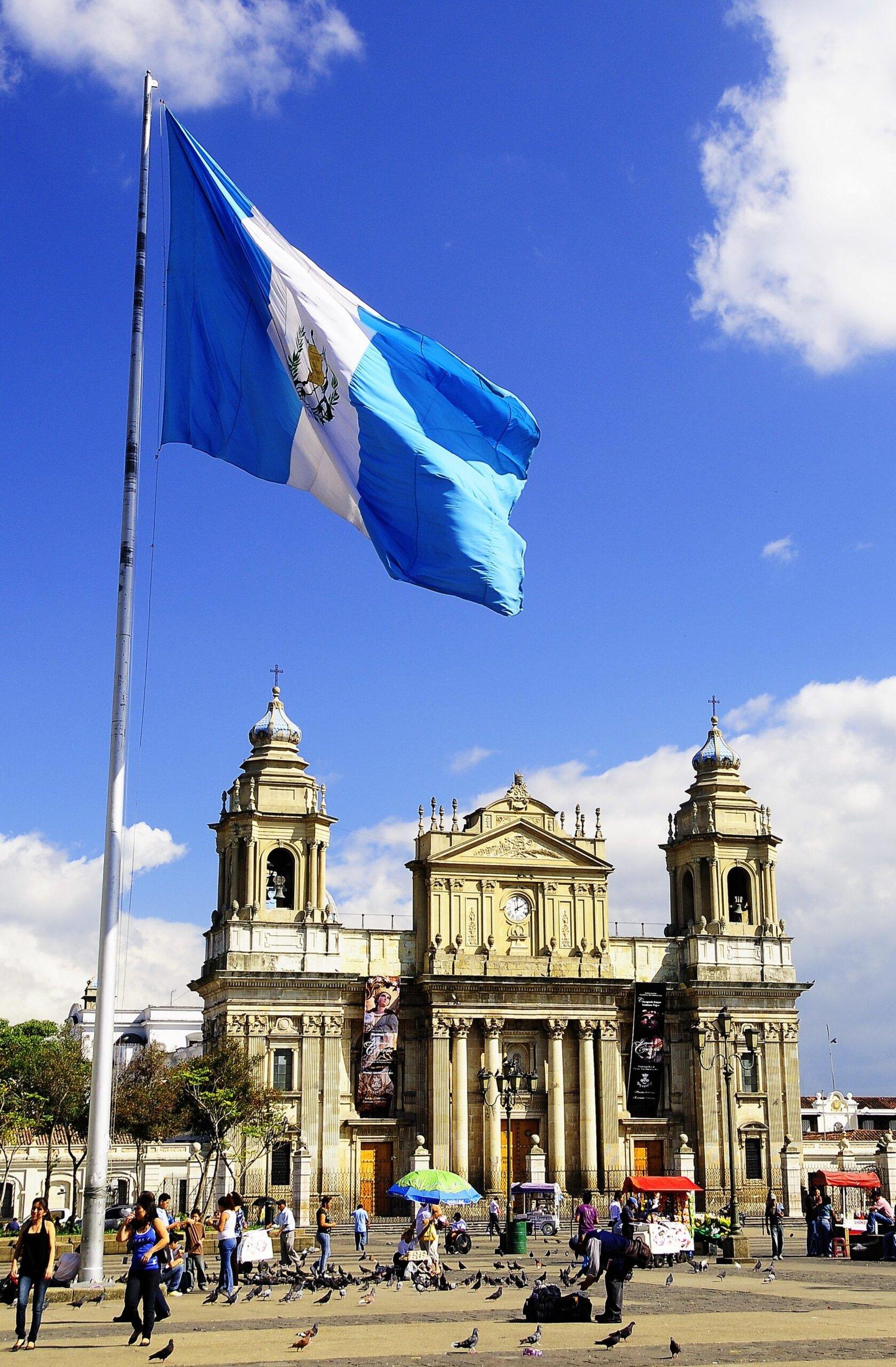
In a significant step toward addressing its pervasive socioeconomic challenges, Guatemala has unveiled new poverty estimates that promise to reshape the country’s national development strategies. Released in collaboration with the World Bank, these updated figures highlight the stark realities faced by millions of Guatemalans and offer critical insights for policymakers. As the nation grapples with issues ranging from inadequate access to education and healthcare to high rates of malnutrition, these estimates shed light on the pressing need for targeted interventions aimed at alleviating poverty. This article delves into the implications of the new data and explores how it serves as an essential tool for fostering sustainable growth and improving living conditions across Guatemala.
Understanding the Latest Poverty Estimates and Their Implications for Guatemala’s Development Strategy
Recent data from the World Bank highlights an alarming rise in poverty rates in Guatemala, providing critical insights that can shape the nation’s development strategy. With approximately 59% of the population living below the national poverty line and 23% facing extreme poverty, these statistics compel policymakers to reconsider existing approaches to development. The estimates reveal that the rural areas are disproportionately affected, where poverty rates soar to nearly 75%. Adopting a targeted strategy that focuses on key sectors such as education, healthcare, and job creation is essential to alleviate the burdens faced by these communities.
Implications for Guatemala’s national development strategy are profound. The evidence suggests that increasing investments in social protection programs can significantly reduce vulnerability among the poor. Additionally, improving access to quality education and skills training should be prioritized to empower the workforce and stimulate economic growth. A collaborative effort among government entities, NGOs, and international organizations will be necessary to design effective interventions that reflect the diverse needs of the population and address the underlying causes of poverty.
Addressing the Root Causes of Poverty: Recommendations for Policy Makers in Guatemala
To effectively combat poverty in Guatemala, it is crucial to address its underlying causes. Policymakers should implement a multifaceted approach that focuses on enhancing educational opportunities, improving healthcare access, and promoting economic inclusion. Key recommendations include:
- Investing in Education: Expand access to quality education, especially in rural areas, to equip the population with essential skills for the job market.
- Improving Healthcare Services: Enhance healthcare infrastructure and services to ensure every citizen has access to basic health needs, which directly affects productivity levels.
- Supporting Small and Medium Enterprises (SMEs): Provide financial incentives and training programs to empower small businesses, fostering job creation and economic growth.
Furthermore, fostering community participation and collaboration with NGOs and private sectors can amplify the impact of these policies. The implementation of comprehensive poverty reduction strategies should involve:
- Data-Driven Approaches: Utilize updated poverty estimates to tailor programs specifically to the needs of various communities.
- Gender Inclusivity: Ensure that policies consider gender dynamics and support women’s empowerment, as they play a critical role in household economic stability.
- Strengthening Social Protection Systems: Develop robust social safety nets that offer immediate support for vulnerable populations during economic downturns.
| Focus Area | Specific Initiative |
|---|---|
| Education | Scholarships for underprivileged students |
| Healthcare | Mobile clinics in remote areas |
| Economic Inclusion | Microfinance programs for families |
Leveraging Data-Driven Insights to Enhance Economic Growth and Social Inclusion in Guatemala
In recent years, the integration of data-driven insights has emerged as a critical factor in shaping policies that drive both economic growth and social inclusion in Guatemala. The availability of new poverty estimates provides policymakers with a vital tool to identify the most vulnerable populations and design targeted interventions. By analyzing the prevalence and characteristics of poverty across different regions, government agencies and NGOs can better address systemic disparities and mobilize resources more effectively. Key areas of focus include:
- Tailored social programs: Developing specific assistance programs that address the diverse needs of various communities.
- Investment in education: Ensuring access to quality education, particularly for marginalized groups, to enhance future employment opportunities.
- Job creation initiatives: Supporting local businesses and fostering entrepreneurship to stimulate economic activity.
Furthermore, the collaboration between government entities, civil society, and international organizations is essential for maximizing the impact of these insights. Establishing a robust data-sharing framework allows stakeholders to create synergistic strategies that further promote economic inclusion. An example of this cooperative approach can be illustrated in the following table, highlighting key partnerships that focus on poverty reduction:
| Partner | Focus Area | Impact Goals |
|---|---|---|
| Government | Policy Formation | Increase resource allocation to underserved areas |
| Local NGOs | Community Engagement | Implement grassroots assistance programs |
| International Funders | Financial Support | Enhance infrastructure and service delivery |
Final Thoughts
In conclusion, the recent poverty estimates released by the World Bank serve as a vital instrument for policymakers in Guatemala as they navigate the complexities of national development. With poverty levels presenting a stark reminder of the challenges that lie ahead, these estimates not only highlight the urgent need for targeted interventions but also pave the way for sustainable strategies aimed at reducing inequality and fostering economic growth. As Guatemala stands at a crossroads, harnessing this data will be essential in crafting policies that uplift the most vulnerable populations, ensuring a more equitable future for all citizens. The collaboration between international organizations and local authorities will be crucial in driving these initiatives forward, transforming this critical information into actionable plans that promote lasting change in the region.











