
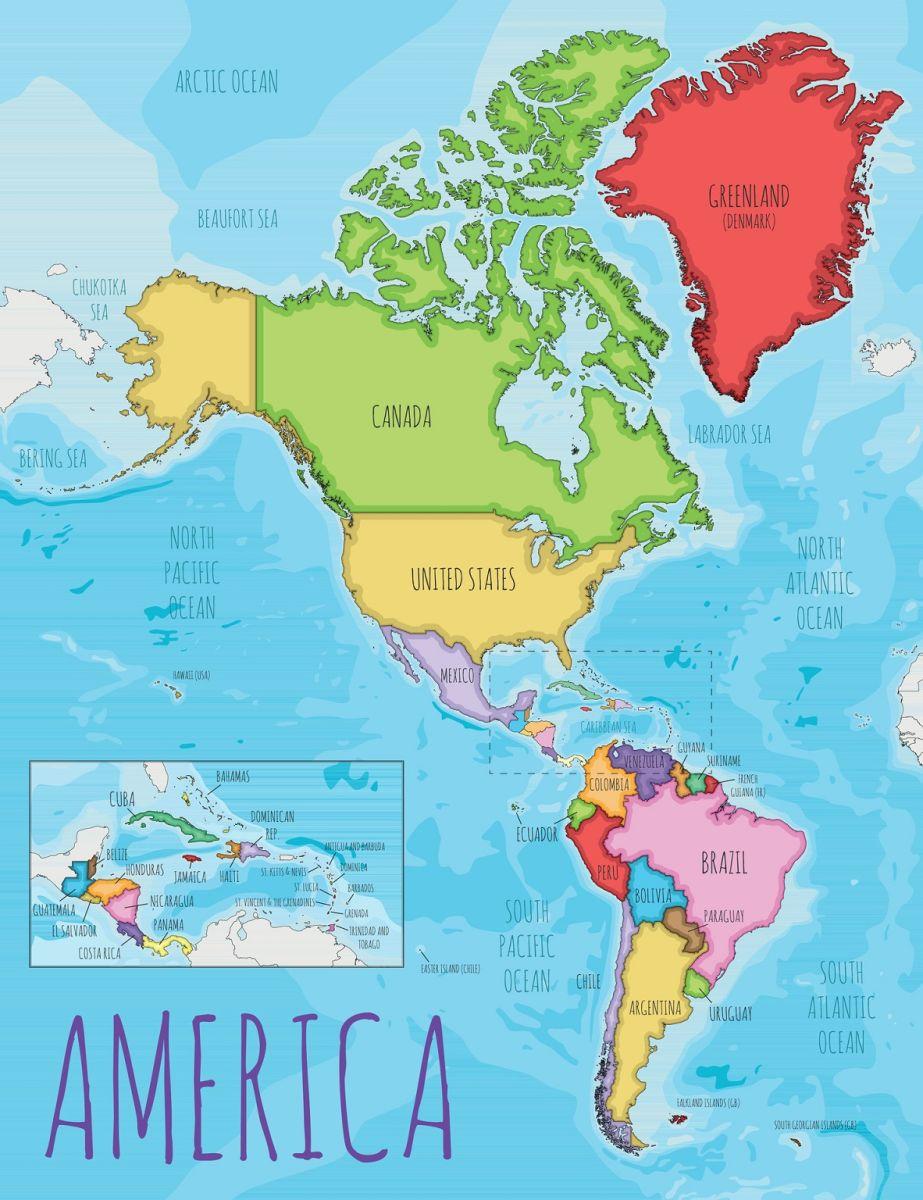
In the evolving landscape of international relations, shifts in power and influence often create unforeseen opportunities for countries positioned to capitalize on these changes. One such scenario is unfolding as the United States grapples with its domestic challenges and reevaluates its role on the global stage. Central America, long viewed as a region struggling with poverty, violence, and political instability, is finding itself at a pivotal crossroads. As America’s attention wavers, the potential for Central American nations to emerge stronger is crystallizing, raising questions about the future dynamics of trade, migration, and regional cooperation. This article explores how America’s shifting priorities could inadvertently usher in a new era of growth and influence for Central America, positioning these nations to redefine their role in an increasingly complex geopolitical landscape.
Reassessing U.S. Investment Strategies in Central America
In recent years, U.S. investment strategies in Central America have been called into question, especially as geopolitical dynamics evolve. The traditional focus on remittances and basic aid has seen a shift, with greater attention now being paid to comprehensive development initiatives aimed at fostering sustainable growth. U.S. companies are realizing that investing in infrastructure, clean energy, and technology sectors in Central America not only benefits local economies but also enhances trade partnerships. Investing in these areas can ensure both regional stability and economic prosperity, addressing root causes of migration while creating mutual opportunities.
Key factors driving the reassessment of U.S. investments include:
- Increased political instability and economic challenges pushing the U.S. to seek alliances in more stable regions.
- The rise of China as a player in the region, prompting the U.S. to remain competitive in influence and investment.
- The urgency of climate change, highlighting the need for sustainable practices and renewable energy projects in vulnerable communities.
| Investment Area | Potential Benefits |
|---|---|
| Infrastructure | Improved economic connectivity and trade efficiency |
| Clean Energy | Job creation and reduction of carbon footprint |
| Technology | Boost in innovation and local entrepreneurship |
Harnessing Migration to Strengthen Regional Economies
Migration has long been a complex phenomenon, viewed through various lenses of opportunity and challenge. However, for Central America’s burgeoning economies, the outflow of talent from the United States represents a unique chance to harness the skills and experiences of those returning or choosing to settle in the region. Central America stands poised to benefit from this migration by facilitating the flow of human capital that can drive innovation and development. Through targeted policies that support reintegration into local communities, these nations can create an environment where returning migrants not only fill gaps in the labor market but also contribute to the entrepreneurial landscape.
To effectively leverage this migration trend, Central American governments should adopt a holistic approach that includes the following initiatives:
- Skills Integration Programs: Establish training and mentorship programs that match the experience of migrants with local job markets.
- Investment Incentives: Offer tax benefits and grants to returnees who start businesses, encouraging a cycle of economic growth.
- Enhanced Networking Opportunities: Create platforms that connect returnee entrepreneurs with local businesses and investors.
Adopting these strategies could substantially increase local production and innovation capacity. A collaborative effort among sectors will not only attract returning emigrants but also cultivate a culture of shared growth. This synergy can lead to measurable economic impacts, as seen in the table below:
| Migrant Contributions | Potential Impact |
|---|---|
| Returned Skills and Knowledge | Boost in productivity across sectors |
| Capital Investment | Increased job creation and local GDP |
| Networking and Collaboration | Enhanced opportunities for entrepreneurship |
Building Sustainable Partnerships for Economic Development
The shifting landscapes of global economics present a unique opportunity for Central America as the region positions itself to leverage investments and partnerships in the wake of diminished American influence. By fostering sustainable partnerships across various sectors, Central American nations can ignite a robust economic transformation. These partnerships can be centered around undisturbed trade agreements, technology transfers, and infrastructural investments, ultimately leading to job creation and economic diversification. Key stakeholders, including governments, private enterprises, and international organizations, play essential roles in nurturing these alliances, ensuring that development is not only rapid but also inclusive and enduring.
To harness the full potential of such partnerships, a strategic approach is necessary. This includes focusing on sectors where Central America has competitive advantages, such as agriculture, renewable energy, and digital technology. By aligning regional resources with international capital, Central America can create synergies that promote innovation and sustainability. Essential principles of collaboration might encompass:
- Equitable Resource Distribution: Ensuring that benefits reach marginalized communities.
- Long-term Commitments: Prioritizing projects with sustainable impact over short-term gains.
- Inclusive Governance: Engaging local stakeholders in decision-making processes.
This strategic direction not only empowers local economies but also positions Central America as a vital player in the regional and global economic landscape. Policymakers must ensure that these partnerships are rooted in transparency and are responsive to the needs of the populace, not only to attract investment but to build an economically resilient future.
The Conclusion
In conclusion, as the geopolitical landscape shifts and the dynamics of power evolve, Central America stands at a critical crossroads. The potential for economic growth, political stability, and strengthened regional alliances presents an opportunity that could redefine the area’s role on the global stage. While America grapples with its own challenges, the region may harness this moment to advance its interests, foster development, and enhance cooperation among its nations. As the world closely watches these unfolding events, the path chosen by Central America will not only shape its future but may also influence broader international relations for years to come. The stakes are high, and the consequences of these transitions will reverberate far beyond the borders of the countries involved.











