
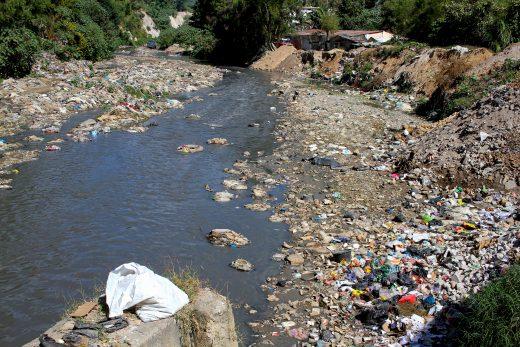
Title: Combatting Plastic Pollution: Latin America’s Bold Initiatives in the Motagua River and the Galápagos Islands
In a bid to confront one of the most pressing environmental challenges of our time, Latin America is stepping up its efforts to combat plastic pollution, particularly in two of its most vulnerable ecosystems: the Motagua River in Guatemala and the pristine Galápagos Islands in Ecuador. With plastic waste increasingly threatening marine life and biodiversity, these initiatives are gaining international attention as part of a broader regional strategy to safeguard fragile habitats and promote sustainable practices. The World Economic Forum highlights innovative approaches and community-driven solutions that not only aim to clean up existing pollution but also address the root causes of plastic waste in these ecologically significant areas. As the region grapples with the dual threats of pollution and climate change, these efforts offer a glimpse into a more sustainable future, revealing the potential for collective action in the face of global environmental crises.
Latin America’s Innovative Strategies to Combat Plastic Pollution in the Motagua River
In a remarkable effort to address the plastic crisis affecting the Motagua River, various Latin American countries have united to implement innovative waste management strategies. These initiatives focus on community engagement and partnerships that foster local stewardship and environmental accountability. Key elements of their approach include:
- Community Clean-Up Campaigns: Regular events involving local volunteers to physically remove plastic waste and raise awareness about pollution.
- Educational Workshops: Programs designed to inform residents, particularly youth, about sustainable practices and the importance of reducing plastic usage.
- Plastic Waste to Resource Programs: Initiatives that promote recycling and upcycling of plastics into useful products, reducing the amount of waste that enters the river.
In addition to grassroots efforts, advanced technological solutions are gaining traction. Several projects have introduced systems for capturing and recycling plastic debris before it reaches the ocean. Examples of these technological advancements include:
| Technology | Function | Impact |
|---|---|---|
| Floating Barriers | Captures floating plastics in the river | Prevents debris from spreading downstream |
| Mobile Apps | Connects communities to report pollution hotspots | Enhances real-time data collection and response |
| Waste-to-Energy Facilities | Converts plastic waste into sustainable energy | Reduces landfill and promotes renewable energy production |
Preserving Biodiversity: The Urgent Efforts to Protect the Galápagos Islands from Plastic Waste
As one of the most unique ecosystems on the planet, the Galápagos Islands face a critical threat from plastic waste, which not only endangers native species but also disrupts the delicate balance of its environment. Conservationists and local organizations have rallied together in an urgent effort to combat this issue, implementing a range of initiatives aimed at reducing plastic pollution. These initiatives include:
- Awareness Campaigns: Educating residents and tourists about the impact of plastic waste.
- Beach Clean-Ups: Organizing community-driven events to remove plastic debris from sandy shores.
- Waste Management Improvements: Enhancing recycling facilities and promoting composting alternatives.
- Policy Changes: Advocating for legislation aimed at reducing single-use plastics and promoting sustainable practices.
Recent collaborations with international organizations have also focused on long-term solutions, such as sustainable tourism practices that prioritize environmental health. By leveraging technology and innovative approaches, stakeholders are devising strategies to monitor plastic waste effectively. The ongoing effort to implement a robust waste tracking system and engage in scientific research aims to quantify and ultimately mitigate the effects of plastic on the islands’ biodiversity. A recent survey revealed the extent of the challenge:
| Plastic Waste Sources | Percentage of Total Waste |
|---|---|
| Tourism | 45% |
| Local Consumption | 30% |
| Fishing Activities | 15% |
| Others | 10% |
Collaborative Solutions: Engaging Communities and Governments for Effective Plastic Waste Management
Across Latin America, community-driven initiatives are emerging as a powerful front line against plastic pollution, especially in critical ecosystems such as the Motagua River and the Galápagos Islands. Engaging local populations, NGOs, and government agencies, these collaborative efforts are fostering an integrated approach to waste management. Through workshops and educational programs, residents are being empowered to take charge of their environments, addressing the issues of plastic waste at the source. In these communities, a shared sense of responsibility is encouraging novel solutions such as:
- Community Clean-Up Campaigns: Regularly organized events to remove plastic debris from natural habitats.
- Recycling Initiatives: Establishing localized recycling programs that turn plastic waste into valuable resources.
- Awareness Programs: Collaborating with schools to educate young generations about the importance of sustainable practices.
Meanwhile, governmental partnerships play a pivotal role in scaling these grassroot movements. Regional authorities are now integrating these community strategies into broader legislative frameworks addressing plastic waste. By providing financial and technical support, governments are enhancing the effectiveness of local actions, thus adopting a multifaceted strategy that includes:
| Key Strategies | Impact |
|---|---|
| Regulatory Enforcement | Enhanced compliance with waste management laws. |
| Infrastructure Development | Building recycling centers to facilitate better waste processing. |
| Funding for Innovations | Encouraging businesses to develop sustainable alternatives to single-use plastics. |
Through these combined efforts, Latin America is poised to make significant strides in reducing plastic pollution, ensuring the protection of its invaluable rivers and islands for future generations. The commitment to collaborative solutions marks a hopeful trajectory towards a cleaner and more sustainable environment.
Wrapping Up
As Latin America intensifies its fight against plastic pollution, the efforts in the Motagua River and the Galápagos Islands stand out as crucial case studies in environmental preservation. Governments, NGOs, and local communities are uniting to implement innovative strategies aimed at reducing waste, restoring natural ecosystems, and raising awareness about the impact of plastic on biodiversity. The collaborative initiatives underway not only highlight the region’s commitment to sustainability but also serve as a blueprint for similar efforts worldwide.
As nations grapple with the escalating crisis of plastic pollution, the actions taken in these two ecologically significant areas offer a glimmer of hope. While challenges remain, the resilience and determination exhibited by communities in Latin America showcase a powerful response to one of the most pressing environmental issues of our time. As we look to the future, it is clear that the path to a cleaner, plastic-free world will require both local initiatives and global cooperation. Continued vigilance and action are essential to ensure that the delicate ecosystems of the Motagua River and the Galápagos Islands-and indeed, our planet-can thrive for generations to come.











