
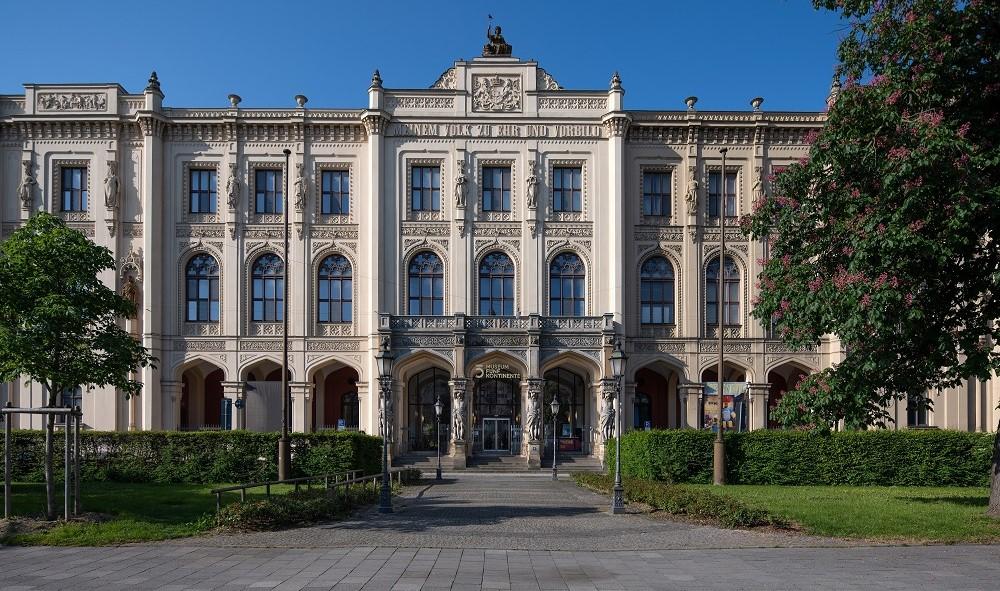
Antigua, Guatemala, a UNESCO World Heritage site renowned for its preserved baroque architecture and vibrant cobblestone streets, is not only a feast for the eyes but also a treasure trove of cultural heritage. Amidst its picturesque landscapes and colorful markets, the city boasts a remarkable array of museums that serve as guardians of the region’s rich history and artistic legacy. From intimate exhibits showcasing local craftsmanship to comprehensive collections detailing Guatemala’s complex past, these cultural institutions offer visitors a profound insight into the heart and soul of this enchanting destination. In this article, we explore the best museums in Antigua, highlighting their unique contributions to the cultural tapestry of Guatemala and encouraging travelers to delve deeper into the stories that shape this captivating city.
Exploring Antigua’s Rich History Through Its Iconic Museums
Antigua, a city steeped in history, offers a remarkable opportunity to delve into its past through a variety of museums that showcase its cultural and historical heritage. Visitors can explore the Casa Santo Domingo museum, which is housed in a former monastery and exhibits ancient artifacts, colonial artwork, and relics of Guatemala’s Mayan history. The intimate setting allows for a deeper connection to the stories and legacies left behind, providing insight into the lives of those who shaped this enchanting city.
Another gem is the Museo del Chocolate, which not only tantalizes the taste buds but also educates about the significance of cacao in Mesoamerican civilizations. Guests can take guided tours that include chocolate-making workshops and tastings, blending historical education with sensory experiences. Additionally, the Museo de Arte Colonial showcases colonial-era art and furnishings, offering a window into the aesthetic values of Antigua’s Golden Age. For a holistic experience, consider visiting these museums:
- Casa Santo Domingo: Ancient artifacts and colonial artworks
- Museo del Chocolate: Interactive cacao experiences and tastings
- Museo de Arte Colonial: Insight into colonial art and historical context
Showcasing Art and Culture: Must-Visit Museums for Every Traveler
Antigua, Guatemala, is not just a feast for the eyes with its cobblestone streets and colonial architecture; it is also a treasure trove of art and culture waiting to be explored. The city’s museums showcase a dynamic range of exhibitions that reflect both the country’s indigenous heritage and contemporary artistic expressions. Among the must-visit venues is the Museo de Arte Colonial, located in a beautifully restored colonial mansion, where visitors can admire an impressive collection of 17th and 18th-century paintings and sculptures. Another highlight is the Museo Casa de los Gigantes, which features the fascinating world of giant puppet-making and traditional dance, providing a glimpse into Guatemala’s vibrant traditions.
For travelers keen on immersive experiences, the Museo del Jade offers insights into the significance of jade in Mayan culture, alongside stunning jewelry exhibits. Additionally, the Museo de la Mujer stands out as a cultural milestone, celebrating the contributions of women throughout Guatemalan history. Be sure to check local event schedules, as many museums host temporary exhibitions and cultural workshops that highlight the living traditions of the region. Engage with the local community and get inspired by the rich stories each exhibit narrates, ensuring a culturally enriching experience during your stay in this UNESCO World Heritage Site.
Hidden Gems: Lesser-Known Museums Worth Discovering in Antigua
While many travelers flock to the well-known museums in Antigua, Guatemala, several lesser-known spots offer a unique glimpse into the city’s rich cultural tapestry. Museo Casa de los Agustinos stands out for its intimate setting and focus on art and history from the colonial period to contemporary times. This small museum, housed in a beautifully restored colonial building, showcases the life and work of the Agustin monks, along with a collection of religious artifacts and local art. Visitors can immerse themselves in local history through rotating exhibits and guided tours that delve into the impact of colonialism on Antigua’s cultural landscape.
Another hidden gem is the Museo del Chocolate, where the fascinating process of chocolate production is celebrated and explored. This interactive museum offers a unique take on the significance of cacao in Guatemalan culture, complete with tastings and workshops. Here, guests can learn about traditional Mayan practices and the agricultural techniques associated with chocolate-making. Both museums highlight unique aspects of Antigua’s history, providing a valuable perspective that extends beyond the typical tourist experience, making them well worth a visit.
Insights and Conclusions
As we conclude our exploration of the best museums in Antigua, Guatemala, it becomes clear that this city is a vibrant tapestry of history, art, and culture. Each institution offers a unique lens through which visitors can engage with the rich heritage of this enchanting locale. From the ancient relics of the Mayan civilization to contemporary exhibits that celebrate Guatemala’s diverse artistic expressions, these museums are not merely repositories of artifacts but dynamic spaces that foster dialogue and reflection.
Whether you’re a seasoned traveler or planning your first visit, Antigua’s cultural institutions promise an enriching experience that goes beyond traditional sightseeing. Engaging with the stories and artworks within these walls is an opportunity to connect with the heart and soul of Guatemala.
In a world increasingly focused on the digital, these museums stand as a testament to the importance of preserving history and celebrating creativity. As you plan your next trip, consider making a stop at these cultural landmarks to deepen your understanding of Guatemala’s past and present. With each visit, you’re not just a tourist; you’re participating in the ongoing narrative of a country steeped in tradition and resilience.











