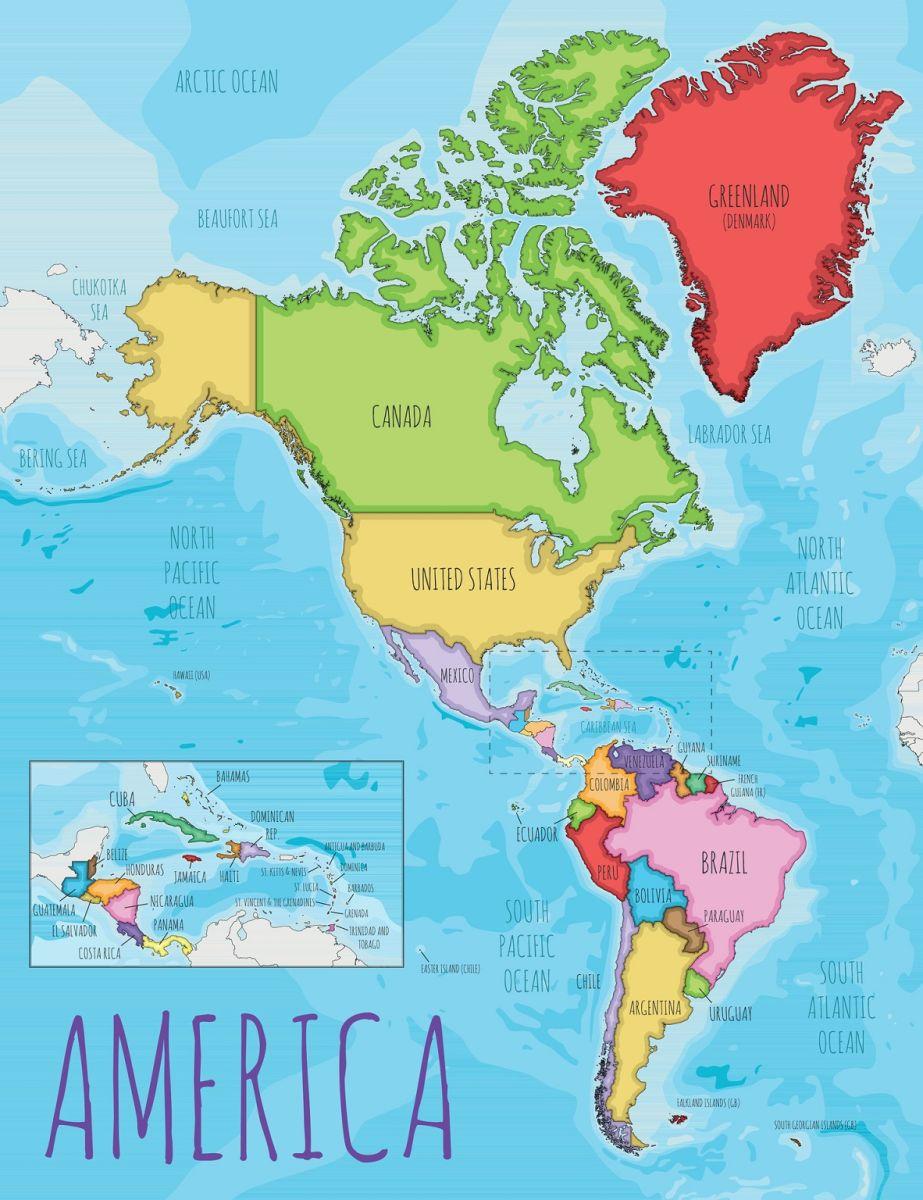
America’s Complex Journey in Guatemala: Challenges and Prospects
As the political dynamics in Central America evolve,the intricate ties between the United States and Guatemala emerge as a meaningful area of both potential and conflict. Historically characterized by intervention, assistance, and complicated diplomatic relations, U.S. involvement in Guatemala encapsulates broader themes of foreign policy and regional stability. Recent years have seen issues like migration, economic advancement, and democratic governance come under renewed examination within this partnership. As the U.S. seeks to address the underlying causes of migration while tackling challenges such as corruption and political unrest, the shifting landscape in Guatemala carries significant implications for both countries. This article delves into America’s multifaceted engagement with Guatemala, highlighting historical context, current obstacles, and possible future directions.
Historical Context: America’s Influence on Guatemala’s Political Situation
The relationship between the United States and Guatemala has been molded by a history of intervention that dates back to the early 1900s. The U.S.’s involvement is often driven by economic interests focused on agriculture and resource extraction. A pivotal moment occurred during the 1954 CIA-supported coup against democratically elected President Jacobo Ã�rbenz; this event marked a significant turning point for Guatemalan politics that led to decades of instability and civil strife. Motivated by fears surrounding communism alongside protecting American corporate interests, this intervention prioritized geopolitical strategies over Guatemalans’ democratic aspirations.
In subsequent decades, U.S support for various regimes took on an increasingly military character as authoritarian governments received backing against leftist insurgents. Key features from this period include:
- The establishment of training programs for Guatemalan military personnel at American institutions.
- Provision of financial resources aimed at counterinsurgency operations.
- Human rights abuses committed by forces trained or funded by U.S.
This complex relationship between foreign interference and domestic response has not only influenced Guatemala’s political environment but also created enduring legacies that continue to affect regional dynamics today. The consequences stemming from America’s historical role resonate through ongoing social challenges—illustrating how external influences can shape national destinies.
Current Challenges: The Effects of U.S Policies on Guatemalan Stability
The interaction between American policies and internal conditions within Guatemala reveals a complicated network of challenges impacting national stability significantly.Initiatives such as foreign aid, immigration reform,and trade agreements carry extensive implications for social welfare in Guatemala; although designed to promote development they often lead to unintended negative outcomes that can worsen existing problems:
- Aid Dependency: Overreliance on American assistance may hinder local governance efforts while perpetuating cycles of dependency detrimental to enduring growth.
- Migratory Policies: Strict immigration regulations compel vulnerable groups toward migration pathways which contribute further brain drain alongside economic difficulties undermining societal cohesion.
- Inequitable Trade Practices: Trade agreements frequently favor American industries disproportionately leaving local farmers unable compete effectively—exacerbating inequality levels across communities.
Additonally,the historical backdrop complicates contemporary realities; past interventions justified under claims promoting stability often resulted instead in turmoil along with societal divisions—leading many Guatemalans today harboring skepticism regarding true intentions behind current US actions.
Recent statistics indicate rising public concern about key issues including:
| Main Concerns | Erosion Impact on Stability |
|---|---|
| Corruption | Diminishes institutional trust |
| Economic Disparity | Fuels social unrest |
| Human Rights Abuses | Challenges international relations |
This atmosphere filled with skepticism serves as an essential framework when analyzing present-day hurdles confrontingGuatemala.As policymakers reassess their approaches,it becomes crucially important prioritize local perspectives ensuring genuine progress towards lasting stability & development .
Strategic Solutions: Building a Positive Partnership Between U.S.-Guatemala Relations
Acknowledging complex socio-economic dilemmas facingGuatemala necessitates adopting fresh multi-dimensional strategies concerning bilateral relations.Addressing deep-seated issues like poverty ,corruption ,and violence remains vital since solutions must tackle these core barriers directly.The US could enhance its engagement through initiatives focusing primarily upon(1) Economic Development,(2) Educational Programs,&(3) Community Empowerment Efforts .Specific proposals paving way constructive collaboration might include :
- (1) Enhancing Trade Relations :Encouraging equitable trade agreements benefiting local farmers/workers thereby fostering economic growth .
- (2) Investing In Education :Implementing programs providing resources teachers improving school infrastructure increasing access vocational training opportunities.
- (3 ) Strengthening Security Cooperation :Collaborating closely with law enforcement agencies developing complete strategies combatting drug trafficking organized crime.
Additonally,a consistent emphasis openness/governance reforms withinGuatamala proves essential building trust/stability.Both nations should prioritize joint initiatives promoting accountability government institutions facilitating foundation sustainable development.Strategies forging partnerships grassroots organizations ensure culturally relevant community-driven initiatives.Key elements realizing vision prosperous partnership may encompass :
| Initiative | / tr /> |
|---|---|
| Microfinance Programs | Increase access capital small businesses. |
| Public Health Campaigns | Reduce disease improve overall health outcomes. |
| Environmental Sustainability Projects | Preserve natural resources while boosting local economies. |