
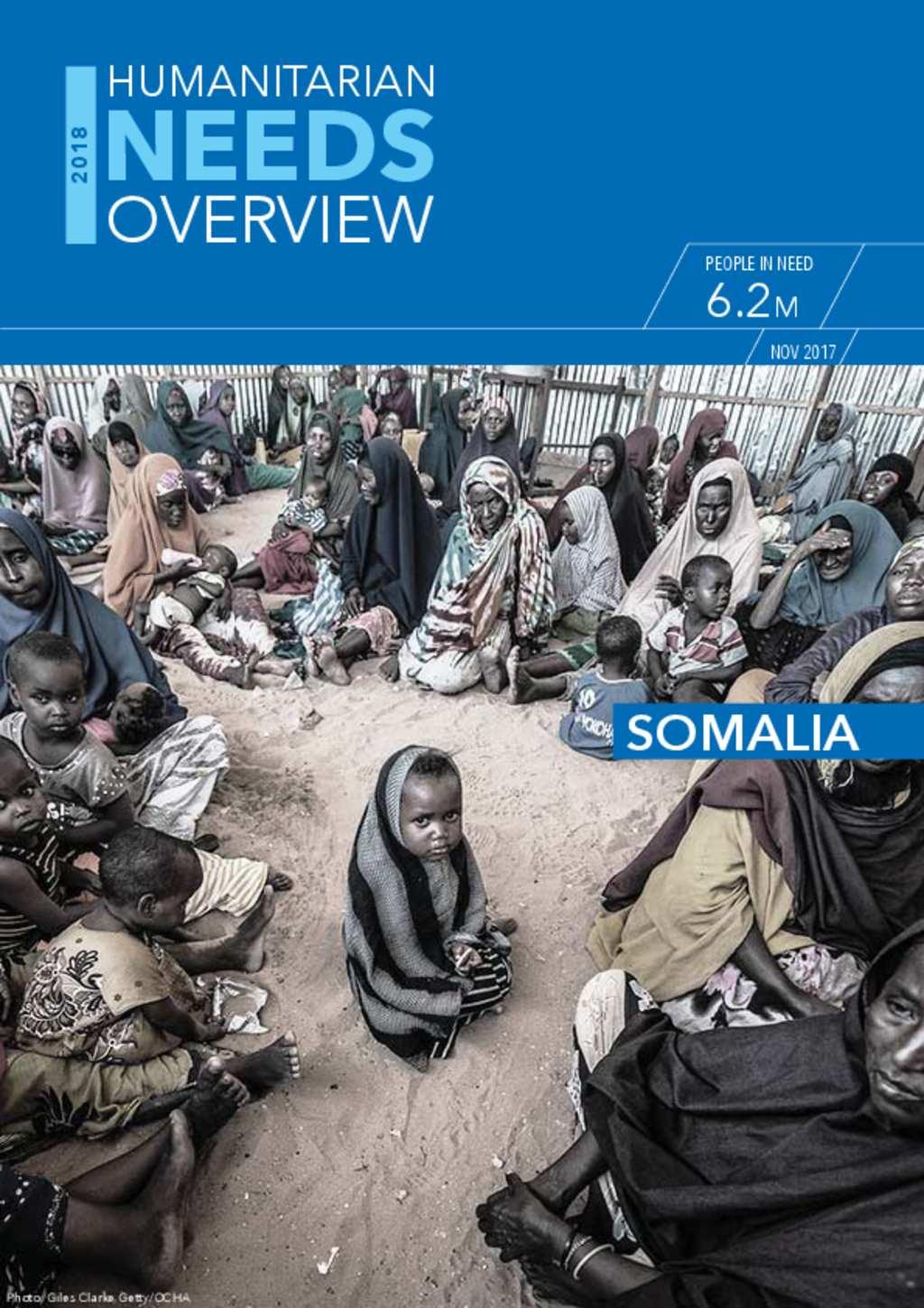
Humanitarian Crisis in Northern Central America: An Urgent Call for Action in El Salvador, Guatemala, and Honduras
In the face of global challenges, the northern part of Central America—especially El Salvador, Guatemala, and Honduras—is experiencing a severe humanitarian crisis that requires immediate intervention.The 2020 Humanitarian Needs Overview (HNO) from the United Nations Office for the Coordination of Humanitarian Affairs (OCHA) reveals a grim reality marked by escalating difficulties. Natural disasters,political turmoil,and economic struggles have left millions vulnerable and fighting for essential resources like food,clean water,and healthcare. This detailed report not only emphasizes urgent humanitarian needs but also showcases the determination of communities striving to endure amidst significant hardships. As international responses adapt to these circumstances, it is crucial to comprehend the intricate dynamics at work in this vital region to promote effective support and sustainable solutions.
Analyzing Humanitarian Challenges in Northern Central America
The humanitarian landscape across North Central America—including El Salvador, Guatemala, and Honduras—remains critical due to a complex web of issues such as violence, poverty levels that are among the highest globally, and frequent natural disasters. The region has seen substantial displacement; countless families have been forced from their homes due to rampant gang violence. Food insecurity is on an alarming rise affecting particularly vulnerable groups like children and women. Recent evaluations indicate that a significant number of households struggle with accessing sufficient food supplies leading to malnutrition along with various health complications.
Despite ongoing efforts by humanitarian organizations to provide relief services amid overwhelming needs on multiple fronts:
- Economic Turmoil: High unemployment rates coupled with inadequate wages perpetuate cycles of poverty.
- Migratory Pressures: Many individuals embark on perilous journeys toward the United States seeking safety or improved living conditions.
- Climate Risks: Recurrent hurricanes alongside prolonged droughts severely disrupt agricultural productivity.
- Poor Health Infrastructure: Limited access to healthcare exacerbates vulnerability against diseases.
A unified response is imperative for tackling these intertwined challenges effectively while enhancing living standards for affected populations.
Insights into Displacement Trends and Vulnerability Factors
The factors contributing considerably to vulnerability and displacement within Northern Central America—comprising El Salvador,Guatemala,and Honduras—are deeply rooted in rising violence levels combined with extreme poverty conditions exacerbated by climate change effects. In 2020 alone,<strong over 1.5 million individuals were reported displaced internally within their countries while many sought refuge across borders into neighboring nations.
Key drivers behind this displacement include:
- Civil Unrest: Ongoing gang-related violence compels families out of their neighborhoods searching for safety.
- Nutritional Deficiencies:The economic instability worsened by natural calamities leaves many without adequate nutrition sources.
- Environmental Challenges: Droughts coupled with storms intensified through climate change devastate livelihoods along with homes.
Country Displaced Population (2020)
El Salvador 500 ,000 + Guatemala 600 ,000 + Honduras 400 ,000 + The resulting displacements have inevitably placed immense pressure on resources available as well as ongoing humanitarian initiatives throughout this area . With nearly<strong three million people, anticipated needing assistance during this year alone . Vulnerable demographics — especially women & children — encounter increased risks including gender-based violence alongside limited access essential services . There’s an evident necessity not just addressing immediate requirements but also tackling underlying vulnerabilities fueling these cycles displacements through coordinated international support local empowerment efforts .
Strategies To Enhance Regional Response Capabilities
To improve regional responses towards addressing North Central America’s pressing humanitarian crisis requires adopting multifaceted strategies . Stakeholders must prioritize<strong collaboration between governmental non-governmental entities streamline resource allocation ensure effective aid distribution . Key recommendations encompass :
- Create A Regional Coordination Platform : A system facilitating real-time data sharing best practices.
- Pursue Increased Investment Local Capacities : This empowers communities enhances resilience future crises.
- Cultivate Partnerships Private Sector : This can leverage additional funding innovative solutions address pressing issues more effectively.
Additionally continuous training education programs local responders can significantly strengthen regional response frameworks investment technology risk assessment monitoring facilitate timely interventions proposed strategy involves implementing comprehensive tracking systems providing :
Strategy Benefit <tbody <
tr <
td Real-time data collection
<td Enhanced situational awarenesstr <
td Mobile response units
<td Rapid deployment affected areastr <
td Community-led initiatives
<td Increased local buy-in sustainabilitytbody
table
Conclusion: A Call For Collective Action
The findings presented within 2020’s Humanitarian Needs Overview regarding El Salvador ,Guatemala,Honduras highlight urgent challenges faced vulnerable populations northern central america.The results underscore complex interplay factors persistent violence,nutritional deficiencies,socioeconomic impacts COVID-19 pandemic all exacerbate vulnerabilities communities already grappling poverty displacement.As actors mobilize resources strategies tackle these obstacles call sustained international support comprehensive approaches resilience-building remains critical.Situation three countries serves stark reminder need collaborative efforts mitigate suffering foster sustainable advancement ensuring most affected populations rebuild lives secure stable futures.As we move forward it’s imperative international community stays engaged responsive evolving needs those caught midst this dire humanitarian crisis.
ADVERTISEMENTBad Bunny Sheds Light on the Paradox of American Democracy
In a captivating opinion piece for NJ.com, the remarkable influence of Bad Bunny on American democracy is explored, revealing the...
Read more











