
Title: Central American Immigrants in the United States: A Complex Tapestry of Hope and Challenges
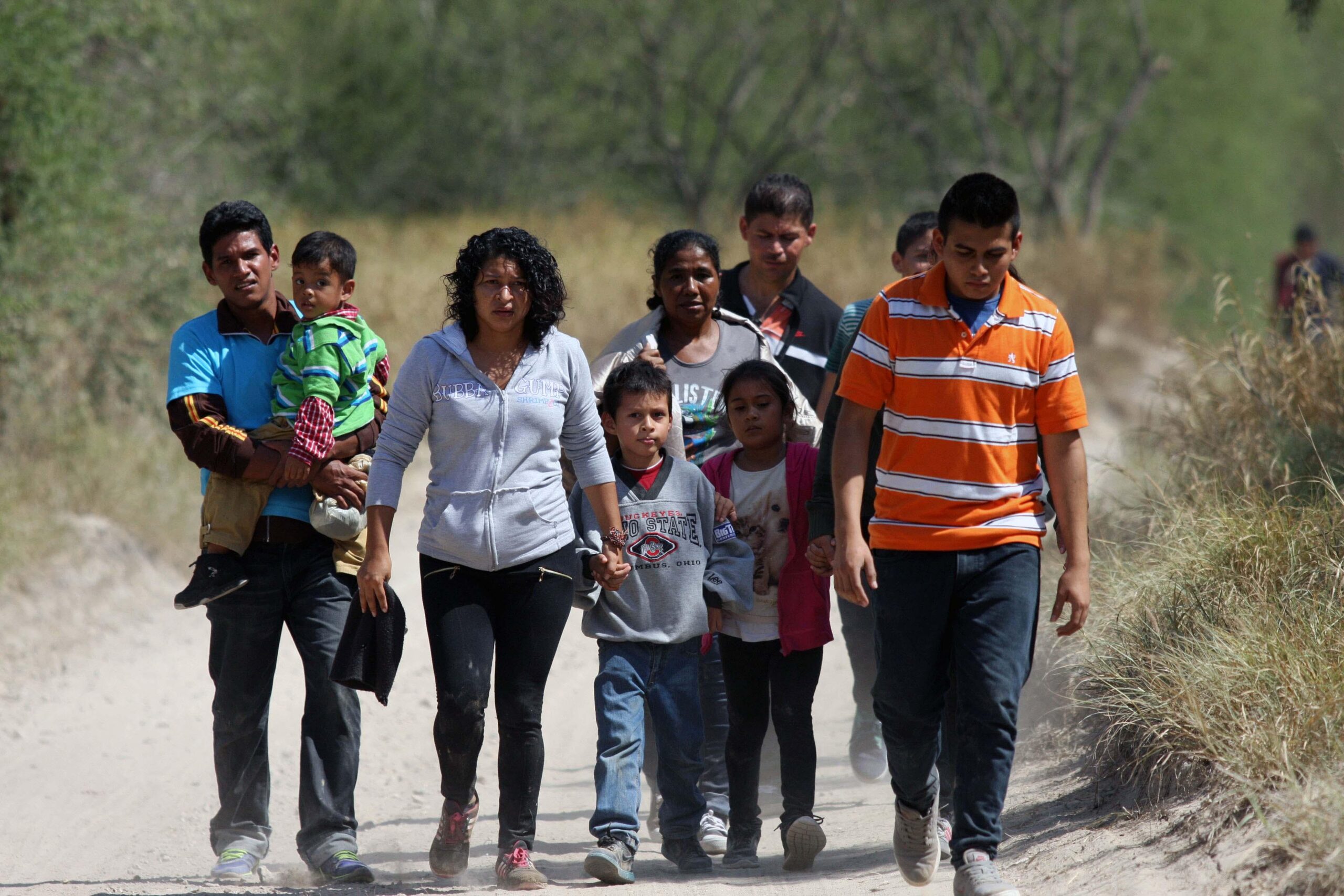
As the sun rises over the bustling streets of major U.S. cities, a diverse group of individuals contributes to the vibrant cultural landscape: Central American immigrants. Fleeing violence, poverty, and political instability in their home countries, many embark on perilous journeys north in search of a better life. According to recent reports from migrationpolicy.org, the numbers of Central Americans entering the United States have surged, highlighting both the resilience and the struggles of these communities. This article delves into the intricate realities faced by Central American immigrants, examining the socio-economic factors driving their migration, the hurdles they encounter upon arrival, and the impact of their contributions to American society. As discussions surrounding immigration policy reignite, understanding the stories behind the statistics becomes increasingly critical.
Understanding the Surge of Central American Immigrants in the United States
Recent years have seen an unprecedented influx of Central American immigrants into the United States, driven by a complex interplay of factors that include economic instability, violence, and political turmoil. In countries like Guatemala, Honduras, and El Salvador, rampant crime, poverty, and the impact of climate change have left many families with little choice but to seek refuge and opportunities across the border. According to analyses, the number of unaccompanied minors attempting to cross into the U.S. has significantly risen, reflecting the urgency of their situations. Various push and pull factors contribute to this trend:
- Economic Opportunities: Many are seeking better job prospects and a chance to support their families.
- Safety from Violence: Fleeing gang violence and domestic abuse has become a matter of survival.
- Political Instability: Corruption and ineffective governance in home countries drive many to leave.
This surge has posed challenges for both the immigrants and the U.S. immigration system, which struggles to adapt to the growing needs of these populations. Local communities are often developing grassroots responses to assist new arrivals, navigating the dual challenges of support and integration. According to the latest statistics, the impact on U.S. cities is multifaceted:
| City | Population of Central American Immigrants | Key Support Services |
|---|---|---|
| Los Angeles | 250,000+ | Legal aid, Employment resources |
| Houston | 150,000+ | Educational programs, Health services |
| Miami | 180,000+ | Cultural integration, Language classes |
Exploring the Economic and Social Contributions of Central American Communities
Central American communities in the United States have significantly shaped the socio-economic landscape, contributing to various sectors while enriching cultural diversity. The vibrant presence of Central American immigrants can be seen in industries such as agriculture, construction, and hospitality. These communities often fill crucial labor shortages, helping to sustain local economies. Recognizing their impact, many regions have seen policies adapted to better accommodate this workforce, ensuring that Central American immigrants receive necessary support and opportunities. Key contributions include:
- Labor Force Participation: Central American immigrants represent a crucial component of the labor market, particularly in essential sectors.
- Cultural Enrichment: Festivals, culinary traditions, and art forms contribute to the cultural tapestry of American society.
- Entrepreneurship: Many Central Americans have established small businesses, fostering local economic growth and job creation.
Socially, these communities play a vital role in fostering resilience and unity, often forming strong networks that provide support to newcomers. This interconnectedness not only aids in easing the transition process but also fosters a sense of community that promotes mutual assistance. Moreover, Central American organizations have emerged throughout the country, advocating for immigrants’ rights and social justice. Their efforts have led to important movements that address:
- Access to Education: Advocating for educational resources and equitable opportunities for immigrant children.
- Healthcare Access: Promoting access to affordable healthcare services for underserved populations.
- Legal Support: Providing legal assistance to those navigating the immigration process.
| Contribution | Impact |
|---|---|
| Labor Contribution | Filling essential job vacancies |
| Cultural Festivals | Enhancing community cohesion |
| Small Businesses | Creating new job opportunities |
Strategies for Supporting Successful Integration of Central American Immigrants
To effectively support Central American immigrants in their integration journey, communities and organizations must adopt a multifaceted approach that addresses both immediate needs and long-term goals. Key strategies include:
- Culturally Responsive Education: Implementing educational programs that recognize and incorporate cultural backgrounds can enhance learning experiences.
- Access to Legal Services: Providing resources for legal support helps immigrants navigate complex immigration systems, ensuring they understand their rights and options.
- Employment Opportunities: Facilitating job training and placement programs enables immigrants to gain skills relevant to the job market, fostering economic independence.
Furthermore, fostering community engagement plays a crucial role in the integration process. Building bridges between immigrants and existing residents can promote understanding and solidarity. Effective methods include:
- Community Events: Hosting cultural festivals or informational workshops helps to celebrate diversity and encourage interaction.
- Mentorship Programs: Pairing immigrants with local mentors can assist in navigating daily life in a new country.
- Language Exchange Initiatives: Organizing language learning sessions benefits both immigrants and local residents, enhancing communication and fostering friendships.
| Strategy | Description |
|---|---|
| Culturally Responsive Education | Integrates cultural backgrounds in learning. |
| Access to Legal Services | Guides immigrants through legal systems. |
| Employment Opportunities | Supports skills training for job readiness. |
Concluding Remarks
In conclusion, the story of Central American immigrants in the United States is one of resilience, hope, and complexity. As they navigate the challenges of integration and adapt to new environments, these individuals contribute significantly to the social, cultural, and economic fabric of American society. While their journeys are often fraught with obstacles, including legal hurdles and social stigmas, the determination of these immigrants continues to shape the narrative of migration in the U.S. Understanding their experiences is crucial as policy discussions evolve in response to ongoing immigration debates. As the nation grapples with its identity and values surrounding immigration, the voices of Central American migrants remind us of the enduring human spirit and the vital role of community in overcoming adversity.











