
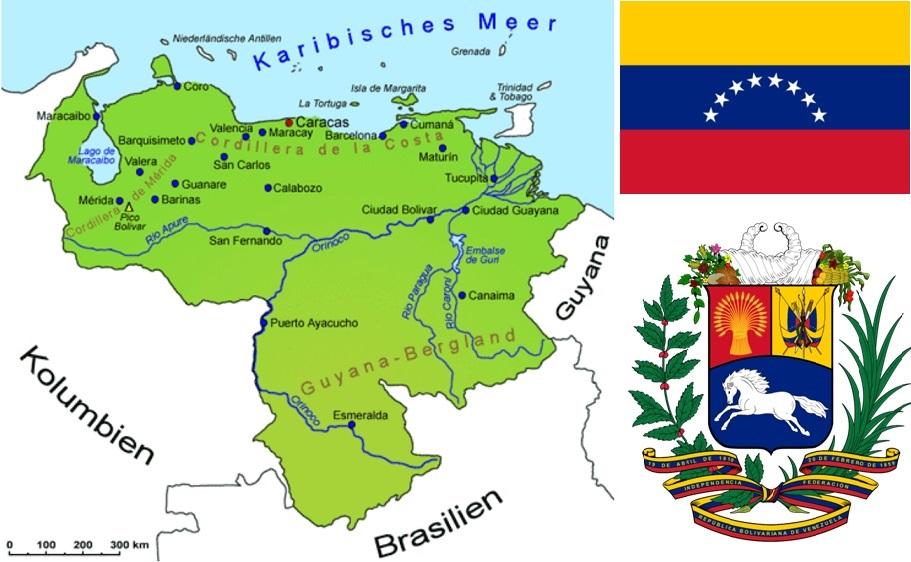
Venezuela’s Aggression Toward Guyana Must End: A Call to Action from The Heritage Foundation
In recent months, tensions between Venezuela and Guyana have escalated, drawing concern from across the international community. Long-standing territorial disputes over the resource-rich Essequibo region have reignited aggressive rhetoric and actions from the Venezuelan government, threatening regional stability and the sovereignty of neighboring nations. The Heritage Foundation, a leading think tank dedicated to promoting free enterprise and national security, has underscored the urgent need for an end to this aggression. As Venezuela’s actions raise alarm bells, the call for diplomatic resolution and respect for international law has never been more critical. This article examines the implications of Venezuela’s conduct, the historical context behind the dispute, and the necessary steps to restore peace and security in a region already fraught with challenges.
Venezuela’s Escalating Territorial Claims Threaten Regional Stability
In recent months, tensions between Venezuela and its eastern neighbor, Guyana, have escalated dramatically. The Venezuelan government, under the leadership of Nicolás Maduro, has made increasingly aggressive territorial claims over the resource-rich Essequibo region, a move that has been met with widespread condemnation from the international community. Key developments include:
- Increased military presence along the Venezuela-Guyana border.
- Threats of military action by Venezuelan officials, undermining diplomatic efforts.
- Pressure on Guyana’s sovereignty, which has begun to attract global attention.
The ramifications of these claims extend beyond the immediate region, threatening to destabilize the Caribbean and create a precedent for aggression in international disputes. Regional allies of Guyana, such as Brazil and Trinidad and Tobago, have expressed concern over Venezuela’s militaristic stance, prompting calls for united action. Observers warn that without a constructive dialogue and efforts to de-escalate the situation, the potential for conflict could disrupt trade, humanitarian efforts, and regional peace initiatives.
| Venezuela’s Actions | Potential Impacts |
|---|---|
| Increased military drills | Heightened regional tensions |
| Diplomatic isolation | Economic repercussions |
| Pressure from international bodies | Involvement of multilateral forces |
Addressing the Humanitarian Impact on Guyana: A Call for International Support
The ongoing tensions between Venezuela and Guyana have not only compromised regional stability but have also precipitated a humanitarian crisis that demands urgent international attention. With reports of increased displacement among vulnerable populations along the border, the situation has deteriorated into a desperate struggle for basic needs. According to the latest data, thousands of Guyanese nationals have been affected by Venezuela’s aggressions, resulting in a surge of refugees seeking safety and resources. Key humanitarian impacts include:
- Displacement: Over 15,000 individuals have fled their homes due to violence and military presence.
- Food Insecurity: Access to food supplies is critically limited, with essential commodities becoming scarce.
- Healthcare Crisis: The healthcare infrastructure is under immense strain, with a rising number of injuries and health issues.
In light of these challenges, there is an urgent need for international partners to step in and provide sustained support. A coordinated humanitarian response addressing food, medical supplies, and shelter is essential to alleviate the plight of those affected. Furthermore, diplomatic efforts are necessary to ensure the protection of human rights in the region. Table summarizing the humanitarian needs:**
| Humanitarian Needs | Estimated Required Assistance |
|---|---|
| Food Aid | 20,000 food packages |
| Medical Supplies | $500,000 for urgent care |
| Shelter Solutions | 5,000 emergency kits |
With escalating needs and limited local resources, it is a moral imperative for the global community to provide assistance. Collaboration with NGOs and local governments can pave the way for effective interventions, ensuring that those fleeing violence and seeking refuge in Guyana receive the help they so desperately require.
Strategic Recommendations for Diplomatic Engagement and Conflict Resolution
To foster lasting peace and stability in the region, it is imperative that both nations prioritize diplomatic channels over militaristic posturing. The international community, particularly organizations such as the United Nations and the Organization of American States, must play a pivotal role in mediating discussions and promoting bilateral dialogue. Key strategies should include:
- Facilitating Collaborative Dialogues: Establish regular forums for open communication between Venezuela and Guyana to address grievances and explore common interests.
- Encouraging Third-Party Mediation: Involve neutral parties to facilitate negotiations and ensure that both sides feel heard and represented.
- Promoting Economic Partnerships: Encourage economic collaboration that benefits both nations, thereby reducing hostilities and fostering interdependence.
Furthermore, establishing clear frameworks for conflict resolution and enforcing international agreements is vital to prevent future escalations. By embracing principles of mutual respect, the following actions can significantly enhance diplomatic efforts:
| Action Item | Description |
|---|---|
| Joint Economic Initiatives | Develop shared projects that benefit communities on both sides of the border. |
| Cultural Exchanges | Facilitate programs that promote cultural understanding and cooperation, reducing animosity. |
| Monitoring and Compliance | Implement mechanisms to monitor adherence to agreements and manage disputes constructively. |
To Wrap It Up
In conclusion, the ongoing tensions between Venezuela and Guyana represent a critical challenge not only for the two nations involved but also for regional stability in South America. The Heritage Foundation’s call for an end to Venezuela’s aggressive posturing underscores the need for a diplomatic resolution to this conflict. As international stakeholders watch closely, it is imperative that Venezuela respects Guyana’s sovereignty and territorial integrity, paving the way for constructive dialogue and cooperation. The preservation of peace and security in the region hinges on the commitment of both nations to seek solutions through diplomacy rather than confrontation. Only by fostering mutual respect and understanding can Venezuela and Guyana work towards a more stable and prosperous future for their citizens and the wider region.











