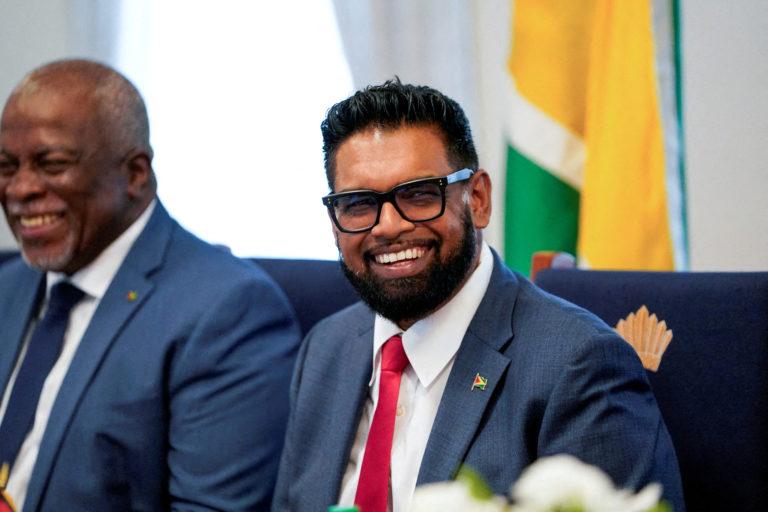
As the political landscape in South America continues to evolve, the upcoming elections in Guyana are poised to be a pivotal moment for LGBTQ+ rights in the region. With a history rooted in colonial-era laws that criminalize same-sex relationships, Guyana stands at a crossroads, where the outcome of the electoral process may signify a shift toward greater acceptance and legal protections. Activists and advocates are closely monitoring the situation, hopeful that the election could pave the way for legislative reforms that challenge the entrenched stigma and discrimination faced by the LGBTQ+ community. In this article, we will explore the implications of the Guyanese elections, examining the potential for change in a country where the fight for equality has long been overshadowed by political and social divides.
Guyana’s Legislative Shift: The Intersection of Politics and LGBTQ+ Rights in South America
As Guyana approaches its next electoral cycle, the potential for transformative change in the landscape of LGBTQ+ rights is becoming a focal point in political discourse. Historically, the nation has retained colonial-era laws that not only criminalize same-sex relationships but also perpetuate discrimination against LGBTQ+ individuals. The renewed debate around these laws coincides with a growing awareness and activism within the region, compelling candidates from diverse political backgrounds to address the needs and rights of the LGBTQ+ community more prominently than ever before. Advocates argue that the election could serve as a turning point, highlighting a crucial decision for voters: to uphold archaic legislation or to embrace a more inclusive society in line with progressive values worldwide.
This political evolution may signify a shift not only for Guyana but for South America as a whole, as neighboring nations observe the unfolding events. The backdrop of this legislative change involves various socio-political factors, including international pressure, human rights advocacy, and the increasing visibility of LGBTQ+ individuals. Key issues driving this intersection of politics and rights include:
- Civil Rights Movements: Growing advocacy for equality is gaining momentum across the continent.
- Public Opinion: Surveys indicate rising support for LGBTQ+ rights, particularly among younger voters.
- Regional Influence: Shifts in policy by countries like Colombia and Brazil may impact Guyanese politics.
Implications of the Upcoming Election: A Path Toward Decriminalisation for LGBTQ+ Communities
The upcoming election in Guyana represents a pivotal moment for LGBTQ+ communities not only within its borders but also throughout South America. As political dynamics shift, there are increasing calls from activists and supporters for the decriminalization of homosexuality, which has historically been punished under colonial-era laws. The government’s stance and the electoral promises made by candidates will be scrutinized closely, as many view the election outcome as a potential turning point in the fight against discrimination and violence faced by sexual minorities. Among the key implications are:
- Legal Reforms: Candidates advocating for LGBTQ+ rights may push for legislative changes that prioritize human rights.
- International Relations: Guyana’s approach to LGBTQ+ issues could affect its relations with progressive nations and organizations.
- Societal Change: Election results can catalyze broader societal acceptance and impact public opinion towards greater inclusivity.
Moreover, the electoral discourse surrounding LGBTQ+ rights is likely to influence regional patterns of advocacy. The situation in Guyana can set precedents for other South American nations grappling with similar issues, creating a ripple effect throughout the continent. As candidates address topics like discrimination and health equity, they may inadvertently elevate the visibility of LGBTQ+ issues on national and international platforms. The potential consequences of this election could herald a new chapter for LGBTQ+ rights in a region known for its complex interplay of culture, politics, and identity.
| Election Year | LGBTQ+ Legal Status | Advocacy Groups |
|---|---|---|
| 2023 | Decriminalization Push | Voice for All, Equality Now |
| 2020 | Criminalization | Safe Space, Unity Coalition |
Global Perspectives and Local Realities: Recommendations for Advancing Equality in Guyana
As the political landscape in Guyana continues to evolve, it is crucial for both local and international stakeholders to collaborate in fostering an environment that champions equality. Prioritizing the decriminalization of LGBTQ+ identities and promoting their visibility in public discourse can be instrumental in this process. Local organizations, grassroots movements, and community leaders should be at the forefront of these conversations, ensuring that the voices of marginalized groups are not only heard but engaged with meaningfully. Some key recommendations include:
- Grassroots Education Initiatives: Implement community programs that raise awareness about LGBTQ+ rights and promote inclusion.
- Policy Advocacy: Engage with policymakers to encourage progressive legislation that protects LGBTQ+ individuals from discrimination.
- International Partnerships: Form alliances with global organizations to gain resources and support in the fight for equality.
Additionally, fostering an inclusive social climate demands robust legal reforms paired with cultural sensitivity. The establishment of comprehensive anti-discrimination laws is critical, yet must be accompanied by public education campaigns aimed at combatting stigma and prejudice. In this context, the role of the media is indispensable; responsible reporting can shape narratives and challenge entrenched stereotypes. To better illustrate the disparity in LGBTQ+ rights across South America, the following table highlights the legal status of same-sex relations in various countries:
| Country | Legal Status |
|---|---|
| Guyana | Criminalized |
| Argentina | Legalized |
| Colombia | Legalized |
| Brazil | Legalized |
| Venezuela | Legal but Discriminated |
Pivotal progress hinges on a unified approach that entwines legal reform with cultural transformation. Engaging allies across various sectors-education, health, and media-will be vital in ensuring that equality is not just a political slogan but a lived reality for all Guyanese citizens.
To Conclude
As Guyana approaches its pivotal elections, the question of whether the country will take significant strides toward decriminalizing LGBTQ+ identities weighs heavily on the minds of both advocates and opponents alike. While the political landscape remains charged with division, the voices advocating for equality and human rights grow louder, reflecting a broader shift in societal attitudes across South America. The outcome of this election will not only shape the future of policies related to LGBTQ+ rights in Guyana but may also set a precedent for neighboring nations grappling with similar issues. As the world watches closely, the implications of this electoral decision extend beyond national borders, potentially becoming a milestone in the fight for equality and justice throughout the region. Ultimately, the election results will reveal whether Guyana is ready to embrace a more inclusive future or maintain the status quo, leaving countless individuals in the shadows.