
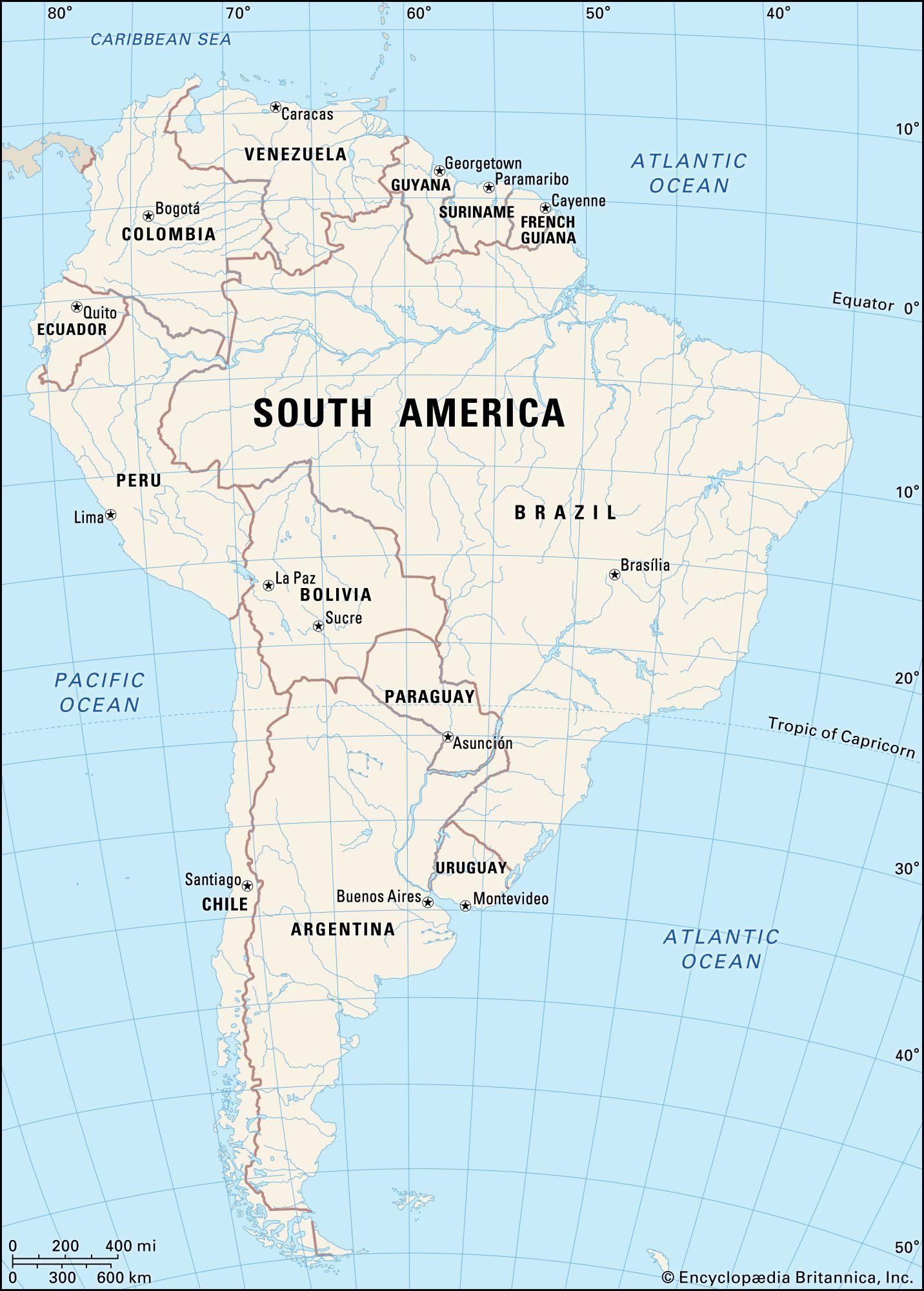
South America Welcomes Its Largest Lord Shiva Statue at Badrinath Ashram in Guyana
In a significant cultural and spiritual milestone, the largest Lord Shiva statue in South America has been installed at the Badrinath Ashram in Guyana. This momentous event marks a convergence of faith, artistry, and community, highlighting Hinduism’s growing presence and influence in the region. The statue, a stunning tribute to one of the principal deities in Hinduism, is expected to attract pilgrims and tourists alike, fostering a deeper understanding of Hindu traditions in South America. As the Badrinath Ashram becomes a beacon of spirituality and heritage, the installation of this majestic statue is poised to unite followers of the faith and educate the broader public about the rich tapestry of Hindu beliefs. This article delves into the significance of this landmark installation and its implications for the Hindu community in Guyana and beyond.
South America Celebrates Cultural Heritage with Installation of Lord Shiva Statue at Badrinath Ashram
The tranquil grounds of Badrinath Ashram in Guyana have been transformed into a spiritual beacon with the grand unveiling of South America’s largest Lord Shiva statue. This towering representation of the revered Hindu deity stands majestically, symbolizing peace, spirituality, and cultural heritage. The installation not only enhances the aesthetic of the ashram but also serves as a focal point for local devotees and visitors, fostering a sense of community and reverence among diverse populations. It is expected that the statue will become a pilgrimage site, attracting those who seek to deepen their connection with Hindu spirituality.
Community members and spiritual leaders have come together to celebrate this monumental event, highlighting the significance of cultural diversity and inclusivity in Guyana. Several activities accompanied the installation, including:
- Cultural performances: Local artists showcased traditional dances and music.
- Spiritual discourses: Notable speakers debated the teachings of Lord Shiva and their relevance today.
- Interfaith dialogues: Promoting understanding and respect among various religions.
This endeavor symbolizes not just the physical presence of a deity but also the unity and harmony among different cultural expressions within South America, making it a landmark moment in the region’s spiritual landscape.
Significance of the Lord Shiva Statue for the Hindu Community in Guyana
The installation of South America’s largest Lord Shiva statue at Badrinath Ashram in Guyana represents a momentous occasion for the Hindu community, as it serves as both a spiritual beacon and a cultural landmark. This monumental statue not only enhances the spiritual ambiance of the ashram but also symbolizes the profound connection that local devotees have to their faith and heritage. Hinduism in Guyana, with its vibrant traditions and deep roots, finds renewed expression through such significant religious icons, which reinforce community bonds and promote cultural continuity.
Moreover, the statue’s construction is an embodiment of dedication and unity among the followers of Lord Shiva. It serves multiple purposes, including:
- Spiritual Gatherings: The statue will become a focal point for various community ceremonies and worship practices.
- Cultural Events: It will host events that celebrate Hindu festivals, thus fostering vibrancy within the local culture.
- Tourism Boost: The statue is expected to attract visitors, contributing to local economy and cross-cultural exchanges.
This landmark actually stands as a testament to the resilience and dynamism of the Hindu identity within the Caribbean, offering a space for spiritual reflection and communal celebration, ensuring that the teachings and traditions of Hinduism continue to thrive across generations.
Recommendations for Future Cultural Installations to Enhance Religious Tourism in the Region
The recent installation of South America’s largest Lord Shiva statue at Badrinath Ashram in Guyana presents an opportunity to further enhance religious tourism in the region. To build on this momentum, local stakeholders and cultural organizations should consider the following initiatives:
- Development of Pilgrimage Trails: Establish well-marked paths connecting significant Hindu temples and cultural sites in the area, providing visitors with a comprehensive spiritual journey.
- Interactive Cultural Workshops: Offer workshops on traditional Hindu rituals, yoga, and meditation, allowing visitors to engage deeply with the culture.
- Enhanced Visitor Facilities: Invest in infrastructure such as guided tours, lodging, and dining options, catering specifically to the needs of religious tourists.
- Festivals and Events: Organize annual cultural events and festivals centered around Hindu traditions, drawing visitors not only for spirituality but also for cultural experiences.
Moreover, collaboration with local artisans and cultural experts can create a unique atmosphere that celebrates religious heritage while supporting the local economy. The following table outlines potential partnerships and their benefits:
| Partnership | Benefits |
|---|---|
| Local Artisans | Showcase traditional crafts and provide visitors with authentic souvenirs. |
| Tour Operators | Develop tailored travel packages promoting spiritual tourism. |
| Cultural NGOs | Preserve and promote local heritage, generating awareness and support. |
| Culinary Experts | Introduce visitors to traditional Hindu cuisine, enhancing cultural immersion. |
Insights and Conclusions
In conclusion, the installation of South America’s largest Lord Shiva statue at Badrinath Ashram in Guyana marks a significant cultural milestone for the Hindu community in the region. This monumental statue not only serves as a spiritual beacon for devotees but also highlights the growing recognition and celebration of Hindu heritage across the Americas. As the statue stands tall, it symbolizes the enduring faith and unity within the global Hindu diaspora, inviting both reverence and curiosity from locals and tourists alike. The event serves as a testament to the vibrant cultural tapestry of Guyana and reinforces the importance of preserving and sharing diverse spiritual legacies in today’s interconnected world. As the community embraces this iconic addition, it hopes to foster deeper connections among cultures and promote greater understanding of Hindu traditions in South America.











