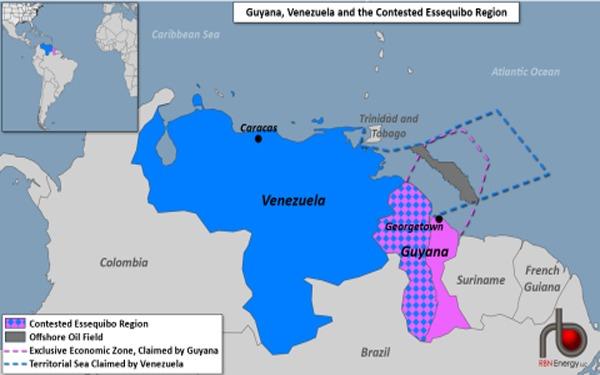
In a significant move that underscores the burgeoning oil sector in South America, Guyana is poised to finalize an oil development agreement with a consortium led by TotalEnergies. The impending deal, expected to be signed in the coming days, highlights the country’s strategic efforts to harness its vast petroleum resources, which have already begun to transform its economy. As global demand for energy continues to soar, Guyana’s negotiations with the TotalEnergies-led group signal a pivotal moment in its emergence as a key player in the oil market. This agreement not only promises to attract foreign investment but also raises questions about the environmental and social implications of rapidly expanding oil production in the region.
Guyana Prepares to Finalize Major Oil Agreement with TotalEnergies Consortium
Guyana is on the precipice of sealing a pivotal agreement with a consortium led by TotalEnergies, marking a significant advancement in its burgeoning oil sector. With estimates suggesting that the country holds upwards of 11 billion barrels of recoverable oil in the Stabroek Block alone, the forthcoming agreement is poised to solidify Guyana’s status as one of the fastest-growing oil producers globally. This deal comes amidst a backdrop of heightened interest from foreign investors and a robust push by the Guyanese government to capitalize on its vast natural resources. Stakeholders are hopeful that this partnership will lead to increased investment in infrastructure and technology transfers that would benefit the local economy.
The finalized agreement is expected to include several key aspects aimed at ensuring mutual benefits for both parties involved. Among these are:
- Revenue Sharing: Establishing a fair framework for profit allocation that favors local development.
- Environmental Commitment: Provisions to safeguard Guyana’s ecologically sensitive areas during exploration and drilling.
- Job Creation: Initiatives to prioritize hiring and training of local talent in the oil and gas sector.
- Community Investment: Investments in local infrastructure and services to improve the quality of life for residents.
As negotiations draw to a close, both the Guyanese government and TotalEnergies are poised to shape the future trajectory of the country’s oil industry, setting a precedent for future international collaborations. Observers remain keenly aware of how this agreement will affect not only domestic policy but also its regional standing as a key player in the global energy market.
Implications for Guyana’s Economy and Environment: What to Expect
The imminent signing of an oil agreement with a TotalEnergies-led group marks a pivotal moment for Guyana, a nation poised on the brink of a significant economic transformation. This deal is anticipated to bolster government revenues, as increased oil production is expected to lead to substantial financial inflows. Key implications for Guyana’s economy include:
- Economic Diversification: With heightened investments in the oil sector, there may be a trickle-down effect that fosters growth in ancillary industries.
- Job Creation: The agreement could lead to the creation of thousands of jobs, particularly in the energy sector and supporting services.
- Infrastructure Development: An influx of revenue could pave the way for much-needed improvements in infrastructure, including roads and healthcare.
However, the dramatic shift towards oil extraction raises environmental concerns that necessitate careful regulatory oversight. As Guyana expands its oil production, potential risks to its rich biodiversity and fragile ecosystems could become pronounced. It is crucial to consider:
- Environmental Regulations: Strong frameworks will be essential to mitigate the environmental impact of oil operations.
- Biodiversity Protection: Maintaining the integrity of Guyana’s vast rainforests and waterways will be a significant challenge amidst industrial expansion.
- Community Impacts: Local communities must be engaged and considered in decision-making processes related to oil exploitation to prevent social unrest.
Strategic Recommendations for Sustainable Development Amid Oil Boom
The impending oil agreement between Guyana and the TotalEnergies-led consortium has the potential to reshape the economic landscape of the nation. To capitalize on this moment, it is crucial for the government to implement strategies that ensure long-term benefits while safeguarding environmental integrity. Strategic recommendations include:
- Establishment of a Sovereign Wealth Fund: To manage oil revenues effectively, ensuring that they are reinvested in sustainable projects that benefit future generations.
- Investment in Renewable Energy: Allocate a portion of oil revenues to develop solar, wind, and hydroelectric projects, reducing dependency on fossil fuels.
- Strengthening Environmental Regulations: Implement strict environmental policies to monitor oil extraction processes and protect biodiversity.
- Public Education and Community Engagement: Foster awareness and involve local communities in decision-making processes regarding natural resource management.
Furthermore, it is essential to establish partnerships with international experts and organizations focused on sustainable development. This collaboration can provide technical assistance and share best practices to promote responsible resource management. A focused development plan might also include:
| Focus Area | Action Plan |
|---|---|
| Infrastructure | Upgrade roads, ports, and communication systems to support economic growth. |
| Education | Enhance educational curriculum to include skills relevant to the oil and renewable sectors. |
| Healthcare | Invest in healthcare services to ensure a healthy workforce, crucial for both oil and sustainable sectors. |
Wrapping Up
In summary, the anticipated signing of an oil agreement between the Guyanese government and the TotalEnergies-led consortium marks a significant step in the nation’s burgeoning energy sector. As Guyana continues to attract global attention for its vast oil resources, this partnership is expected to enhance economic growth, create jobs, and strengthen the nation’s position in the international energy market. With the global demand for energy evolving, the outcomes of this agreement will be closely monitored, not only for their immediate impact on Guyana but also for broader implications in the geopolitics of energy. As developments unfold, stakeholders will be eager to see how this agreement shapes the future of the country’s oil industry and its role on the world stage.