
Why Guyana is Poised to be the U.S.’s Most Strategic Ally in the Americas
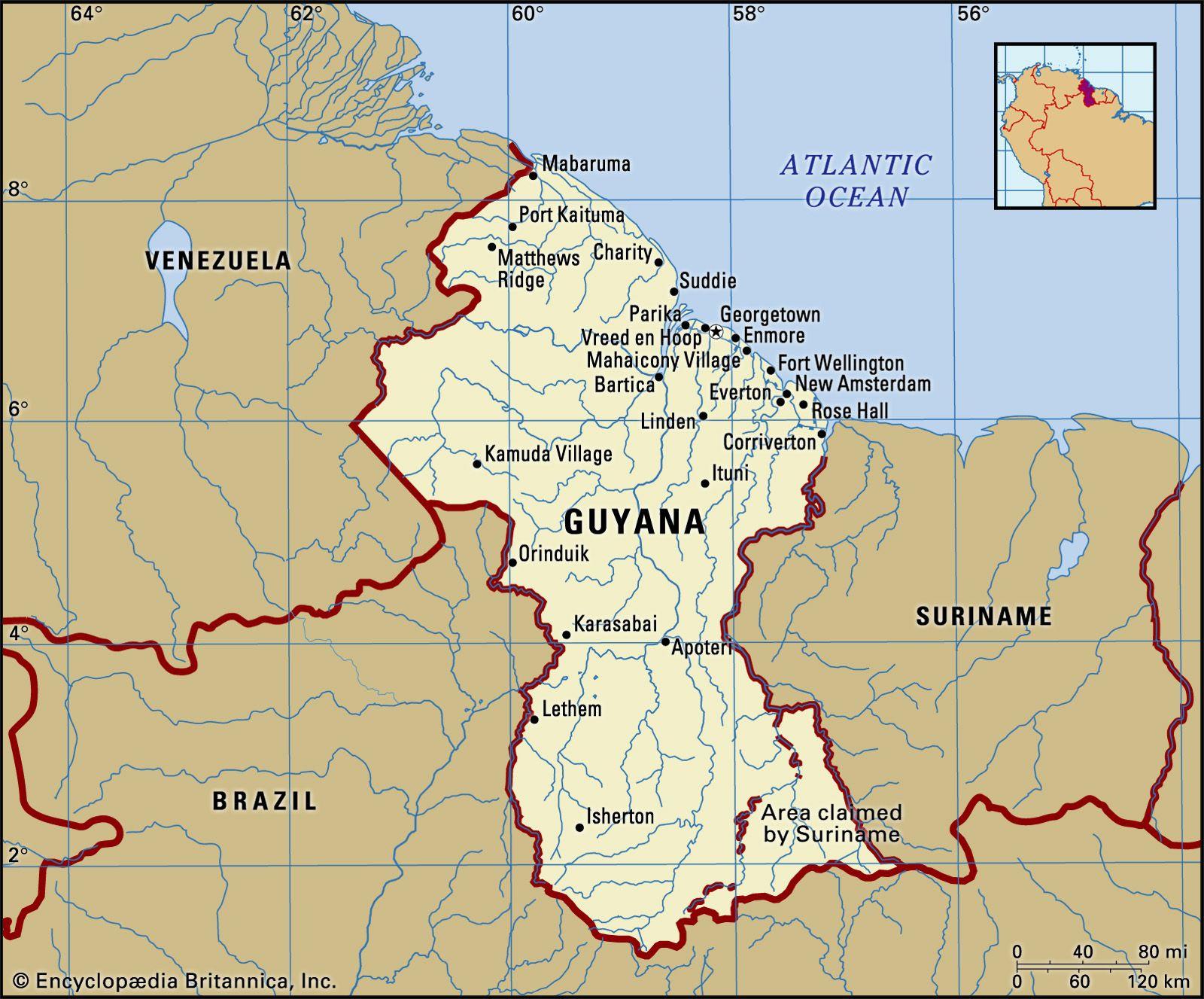
As geopolitical landscapes shift and Latin American nations navigate complex relationships with both traditional and emerging powers, Guyana is emerging as a pivotal player in the region. Positioned on the northeastern coast of South America, the small nation, often overshadowed by its more prominent neighbors, is increasingly capturing the attention of U.S. policymakers and strategists. The recent discovery of vast oil reserves off its coast has not only transformed Guyana’s economic prospects but also heightened its importance within the context of U.S. foreign policy in the Americas. Coupled with its longstanding democratic institutions and an eagerness to bolster defense and security cooperation, Guyana’s strategic potential as an ally is undeniable. This article explores the multifaceted reasons why the U.S. should prioritize its partnership with Guyana, highlighting economic, political, and security dimensions that position the country as a crucial ally in a rapidly evolving geopolitical landscape.
The Emerging Economic Powerhouse: Guyana’s Oil Boom and Its Implications for U.S. Interests
Guyana is swiftly transforming into an economic powerhouse, driven by its burgeoning oil industry, which is anticipated to yield over 1.2 million barrels of oil per day by 2027. This surge in production promises to elevate the nation to one of the richest per capita economies in the world, fostering opportunities that can substantially benefit both its citizens and foreign investors. For the United States, this presents a strategic advantage, as enhanced economic ties with Guyana could lead to greater energy diversification and a pivotal reduction in dependency on less stable oil-producing nations. The implications extend even further with potential collaborations in technology, infrastructure, and environmental stewardship, aligning with U.S. interests in sustainable development across the region.
As Guyana’s economic landscape shifts, the U.S. can position itself as a key ally, providing support in the form of:
- Investment Opportunities: Facilitating American investments in various sectors beyond oil.
- Security Partnerships: Supporting Guyana in strengthening its military and resilience against regional threats.
- Trade Agreements: Establishing favorable terms to promote bilateral trade.
- Joint Energy Initiatives: Collaborating on clean energy projects to mitigate climate impacts.
The pace of Guyana’s oil development is remarkable, and the potential economic windfall is underpinned by strategic governance reform and infrastructural development. The table below illustrates the projected growth in oil production and GDP, highlighting the opportunities that lie ahead for both Guyana and the United States.
| Year | Oil Production (Barrels per Day) | Projected GDP Growth (%) |
|---|---|---|
| 2022 | 330,000 | 47 |
| 2023 | 400,000 | 23 |
| 2024 | 600,000 | 30 |
| 2025 | 900,000 | 25 |
| 2026 | 1,000,000 | 28 |
| 20271,200,000 | 35 |
With these projections, Guyana is likely to face both opportunities and challenges. The influx of revenue from oil production must be managed wisely to ensure sustainable development and equitable distribution of wealth among its citizens. This will require strong leadership, transparent governance, and the effective implementation of policies that favor social and economic equity.
As foreign investors and partners, particularly from the U.S., engage with Guyana, it becomes crucial to participate in building a robust framework for development that prioritizes the long-term interests of the nation while also supporting U.S. strategic goals in the region. Collaborations that focus on enhancing education, healthcare, and environmental sustainability can foster a mutually beneficial relationship that extends beyond mere economic transactions.
The partnership between Guyana and the United States holds significant promise, offering a pathway to elevate both nations on the global stage. Embracing this opportunity will require proactive engagement, ensuring that the development narrative is inclusive, socially responsible, and environmentally sound.
Strengthening Bilateral Ties: Opportunities for Enhanced Security Cooperation Between Guyana and the U.S
As Guyana continues to emerge as a vital player in the region, its strategic position offers unprecedented possibilities for security collaboration with the United States. The discovery of significant oil reserves has not only underscored Guyana’s economic potential but also raised its profile as a pivotal ally against regional threats, including narcotrafficking, piracy, and territorial disputes. By nurturing closer ties, both nations can reap mutual benefits, particularly in fostering stability and safeguarding maritime interests in the Caribbean and beyond.
Enhancing security cooperation could involve various initiatives, notably:
- Joint Military Exercises: Strengthening interoperability between the armed forces to combat transnational threats.
- Intelligence Sharing: Establishing robust frameworks for the exchange of information regarding crime and terrorism.
- Capacity Building: Providing training and resources to bolster Guyana’s defense capabilities.
Furthermore, the opportunity for collaborative ventures can be illustrated in the following table:
| Area of Cooperation | Potential Benefits |
|---|---|
| Counter-Narcotics Operations | Reduce drug trafficking and improve public safety. |
| Disaster Response Training | Enhance preparedness for natural disasters common in the region. |
| Cybersecurity Initiatives | Guard critical infrastructure against emerging cyber threats. |
By leveraging these opportunities, Guyana and the U.S. can not only bolster bilateral relations but also create a more secure and prosperous Caribbean, reinforcing their roles on both a regional and global scale.
Navigating Geopolitical Challenges: How Guyana Can Serve as a Counterbalance to Regional Threats
Amidst a backdrop of escalating geopolitical tensions in the Americas, Guyana is uniquely positioned to emerge as a stabilizing force. The nation’s strategic location and burgeoning economy, bolstered by significant offshore oil discoveries, create a compelling narrative for why it should be viewed as an invaluable ally by the U.S. Guyana offers a diverse array of advantages that can serve to counterbalance regional threats. These include:
- Natural Resources: An abundance of oil reserves that can enhance energy security.
- Geopolitical Stability: A democratic governance structure that encourages foreign investment.
- Strategic Partnerships: Opportunities to foster alliances with neighboring countries and enhance regional cooperation.
- Security Collaboration: Potential for increased military cooperation to curb illicit drug trafficking and organized crime.
Furthermore, the potential for enhanced trade and investment through partnerships with U.S. companies can spark significant economic growth, providing a countervailing force against authoritarian influences in the region. The increasing presence of Chinese investment in South America poses a challenge that Guyana can help mitigate through its participation in multilateral agreements. The following table highlights some of the pressing challenges faced by the region and how Guyana can address them:
| Regional Challenge | Guyana’s Response |
|---|---|
| Increased Chinese Influence | Strengthening economic ties with the U.S. and regional allies. |
| Drug Trafficking | Enhancing security cooperation and intelligence sharing with U.S. |
| Political Instability | Promoting democratic values and governance within the region. |
Key Takeaways
In conclusion, Guyana’s emerging significance as a strategic ally for the United States cannot be overstated. With its rich natural resources, rapidly growing economy, and pivotal geographical position, Guyana is positioning itself at the forefront of geopolitical interests in the Americas. As the U.S. seeks to strengthen its partnerships in a region poised for growth and innovation, the collaborative potential with Guyana promises not only to enhance regional stability but also to foster economic prosperity on both sides. As we move forward, it will be crucial for policymakers to recognize and cultivate this relationship, transforming mutual interests into a robust alliance that stands resilient amid global challenges. The future of U.S.-Guyana relations looks bright, and with careful leadership, it could very well redefine strategic alliances in the Americas for years to come.











