
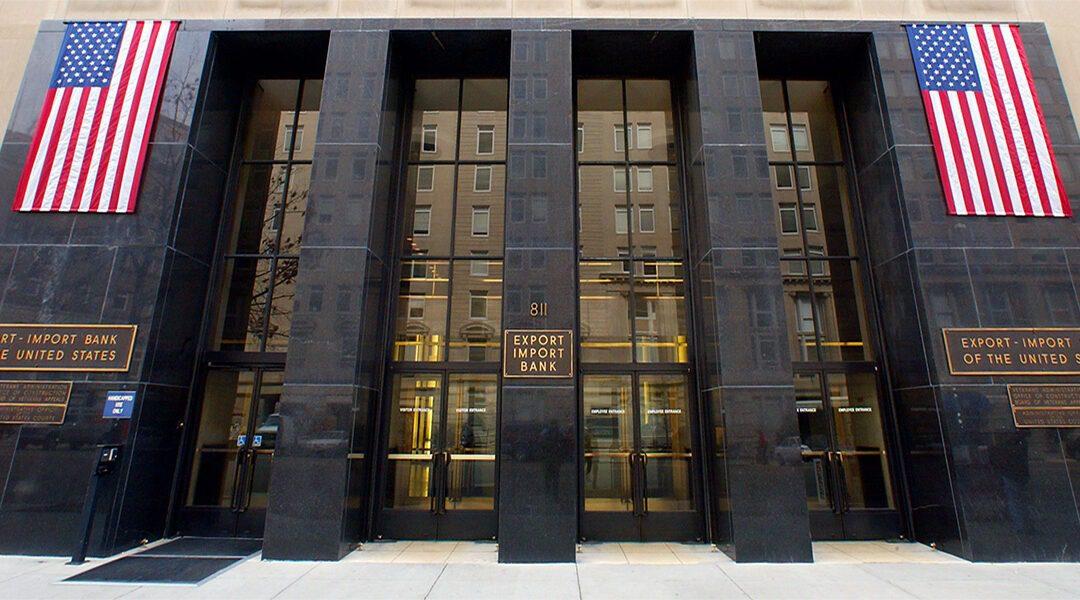
In a significant move to bolster energy infrastructure in the Caribbean, the U.S. Export-Import Bank (Ex-Im Bank) has approved a loan of $526 million to support a gas-to-energy project in Guyana. This financing decision, reported by Reuters, comes as Guyana seeks to capitalize on its nascent oil and gas resources to enhance its energy capabilities and economic growth. With the backing of an esteemed U.S. government agency, the project is poised to not only facilitate local energy production but also strengthen ties between the two nations amid a rapidly changing geopolitical landscape. The infusion of capital from the Ex-Im Bank underscores the potential for renewable energy advancements in the region and highlights the strategic importance of Guyana’s burgeoning energy sector.
US Ex-Im Bank Approves Major Investment in Guyana’s Gas-to-Energy Future
The U.S. Export-Import Bank has recently greenlit a substantial $526 million loan to propel Guyana’s ambitious gas-to-energy project. This investment is seen as a pivotal step in enhancing the nation’s energy infrastructure, supporting economic growth, and promoting cleaner energy alternatives. The funding will primarily facilitate the transformation of natural gas into electricity, which is expected to reduce reliance on more polluting energy sources and significantly lower energy costs for residents and businesses alike.
Guyana’s strategic move towards harnessing its abundant natural gas reserves aligns with global efforts to transition to more sustainable energy solutions. Key benefits of this investment include:
- Job Creation: The project is anticipated to create thousands of jobs during both the construction and operational phases.
- Environmental Impact: Utilizing natural gas as a primary energy source can lead to a marked reduction in greenhouse gas emissions compared to traditional coal or oil-based energy.
- Energy Independence: Guyana aims to achieve greater energy independence, reducing the importation of expensive fossil fuels.
Implications of the Loan for Guyana’s Economic Development and Energy Sector
The recent approval of a $526 million loan by the U.S. Ex-Im Bank for gas-to-energy projects in Guyana marks a significant milestone for the nation’s economic trajectory. This funding will not only bolster the country’s energy infrastructure but also catalyze broader economic opportunities. The loan is expected to enhance electricity generation capacity, leading to improved power reliability and access for both households and industries, which can directly stimulate growth in key sectors such as agriculture, manufacturing, and services. The shift towards natural gas as a primary energy source also aligns with global trends aimed at reducing carbon emissions, positioning Guyana as a progressive player in the energy transition.
Moreover, the infusion of capital into the energy sector may attract further investment and partnerships, fostering an environment ripe for innovation and development. Significant implications of this loan include:
- Job Creation: As projects ramp up, local employment opportunities are expected to increase, benefiting communities.
- Foreign Direct Investment: Enhanced infrastructure could lure foreign investors seeking to capitalize on Guyana’s emerging market.
- Energy Independence: Greater energy self-sufficiency may reduce reliance on imported fuels, enhancing national security.
With the nation poised to leverage its vast natural gas reserves, the long-term effects of this financial support could be transformative, ensuring a sustainable energy future while simultaneously propelling economic growth.
Recommendations for Sustainable Management of Loan Funds and Project Execution
In light of the recent approval of a substantial gas-to-energy loan, it is imperative that stakeholders engage in best practices for the responsible use and management of loan funds. First and foremost, transparency in financial operations is crucial; all fund allocations should be publicly accessible, allowing for community scrutiny and trust-building. Establishing a robust monitoring and evaluation system can facilitate real-time assessment of project progress, ensuring that funds are utilized efficiently and intended objectives are met.
Equally important is the integration of sustainable practices throughout the project lifecycle. This includes prioritizing local labor and materials to promote community engagement and economic growth. Additionally, stakeholders should consider the long-term environmental impact of gas-to-energy projects and implement measures to mitigate negative effects. A detailed risk assessment along with an adaptive management plan can ensure flexibility and responsiveness to unforeseen challenges.
In Summary
In conclusion, the approval of a $526 million loan from the U.S. Export-Import Bank to fund gas-to-energy projects in Guyana marks a significant step in the nation’s pursuit of sustainable energy development. This financial backing not only underscores the growing partnership between the United States and Guyana but also highlights the potential for natural gas to play a pivotal role in the country’s economic transformation. As Guyana looks to leverage its vast natural resources, this investment could serve as a catalyst for further advancements in energy infrastructure and economic growth. Moving forward, stakeholders will closely monitor the impact of this loan on Guyana’s energy landscape and its implications for U.S. involvement in the region.









