
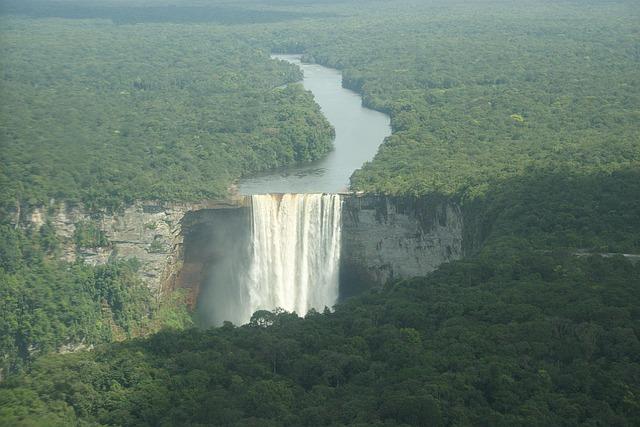
In a striking development in the ongoing political crisis in Venezuela, the recent capture of President Nicolás Maduro by U.S. authorities has prompted a wave of reactions across the region. However, Guyana, which shares a border with Venezuela and has historically navigated a delicate diplomatic relationship with its neighbor, has remained unusually silent on the matter. In this article, we explore the implications of this silence, the geopolitical context of the U.S. action, and what it may indicate about Guyana’s foreign policy posture amidst escalating tensions in South America. As regional dynamics shift in response to this high-profile incident, understanding Guyana’s position may shed light on the broader implications for stability in the region.
Guyana’s Diplomatic Tightrope: Navigating US-Maduro Relations in the Caribbean
Amidst the recent international uproar following the United States’ reported capture of Venezuelan leader Nicolás Maduro, Guyana finds itself in a precarious position. The Caribbean nation, known for its relatively stable diplomatic relations in a region often marked by political upheaval, has maintained silence on the matter. This restrained approach is likely due to Guyana’s strategic interests in fostering relations with both the US and its neighbor, Venezuela, where tensions run high but economic ties are significant.
Analysts suggest that this diplomatic tightrope involves a delicate balancing act. By refraining from public statements, Guyana may be aiming to protect its sovereignty and avoid alienating either party. The implications of the situation are profound, prompting discussions about:
- Energy Cooperation: Guyana’s burgeoning oil sector relies on stability in regional politics.
- Border Disputes: Continued tensions over territorial claims with Venezuela could be exacerbated by public stances.
- Regional Alliances: Aligning too closely with the US could undermine relationships with other Caribbean nations who support Maduro.
| Aspect | Implications |
|---|---|
| Economic Interests | Maintaining access to valuable markets |
| Political Stability | Avoiding regional instability impacting national security |
| International Relations | Keeping diplomatic channels open with major powers |
Regional Implications of Maduro’s Capture: What It Means for Guyana and Its Neighbors
The capture of Nicolás Maduro by U.S. forces reverberates throughout the Caribbean and South America, posing significant implications for neighboring countries, especially Guyana. Analysts suggest that this event may alter the geopolitical dynamics of the region, as the vacuum left by Maduro’s departure could prompt increased U.S. influence in Venezuela and its border states. Countries like Guyana must navigate the potential ripple effects, including shifts in diplomatic relations and economic policies, as they balance their stances between regional solidarity and engagement with Washington.
Moreover, the political landscape for Guyana could shift dramatically in the wake of this significant development. With Maduro’s long-standing support for leftist ideologies, his absence may encourage right-leaning political movements in surrounding nations. Key considerations for Guyana and its neighbors may include:
- Increased pressure for democratic reforms in Venezuela and increased scrutiny from the international community.
- Shifts in oil and gas alliances, particularly as Guyana emerges as a significant player in the energy sector.
- Possible influx of Venezuelan migrants, which could impact social services and economic stability in Guyana.
| Country | Potential Impact |
|---|---|
| Guyana | Heightened regional security concerns. |
| Colombia | Increased military engagement in border areas. |
| Brazil | Possible shifts in bilateral trade agreements. |
Calls for Clarity: The Need for Guyana to Define Its Stance on International Affairs
In recent days, the silence from Georgetown regarding the United States’ controversial actions against Venezuelan President Nicolás Maduro has sparked concern among international observers and local citizens alike. As geopolitical tensions continue to rise in the region, Guyana’s lack of a definitive stance leaves many questioning the government’s foreign policy direction. This absence of communication not only invites speculation about Guyana’s strategic alliances but also raises fears about the implications for its own sovereignty and stability amid the ongoing crisis in neighboring Venezuela.
Analysts emphasize the importance of clearly articulated foreign policy, which can serve as a guiding framework for how Guyana positions itself on the world stage. A coherent response to international events like the U.S. operation could bolster Guyana’s credibility as a regional player. Key areas where clarity is particularly necessary include:
- Diplomatic Relations: How will Guyana manage its relationships with both the U.S. and Venezuela?
- Regional Cooperation: What role will Guyana play in organizations like CARICOM and UNASUR regarding Venezuelan issues?
- Economic Implications: How might the silence impact foreign investment, particularly from neighboring countries?
Wrapping Up
In conclusion, the lack of a formal response from the Guyanese government regarding the recent capture of Venezuelan President Nicolás Maduro by U.S. forces raises questions about the country’s diplomatic stance in a region fraught with political tensions. As Guyana navigates its relations with both neighboring Venezuela and a powerful ally in the United States, the implications of this silence may reverberate through regional politics and affect its own national interests. Observers will be watching closely to see if and how Georgetown addresses this significant geopolitical development in the days to come. For now, the situation remains fluid, leaving many to wonder what the future holds for the dynamics of power in South America.











