Geopolitical Tensions Rise in South America: The Guyana-Venezuela Oil Dispute
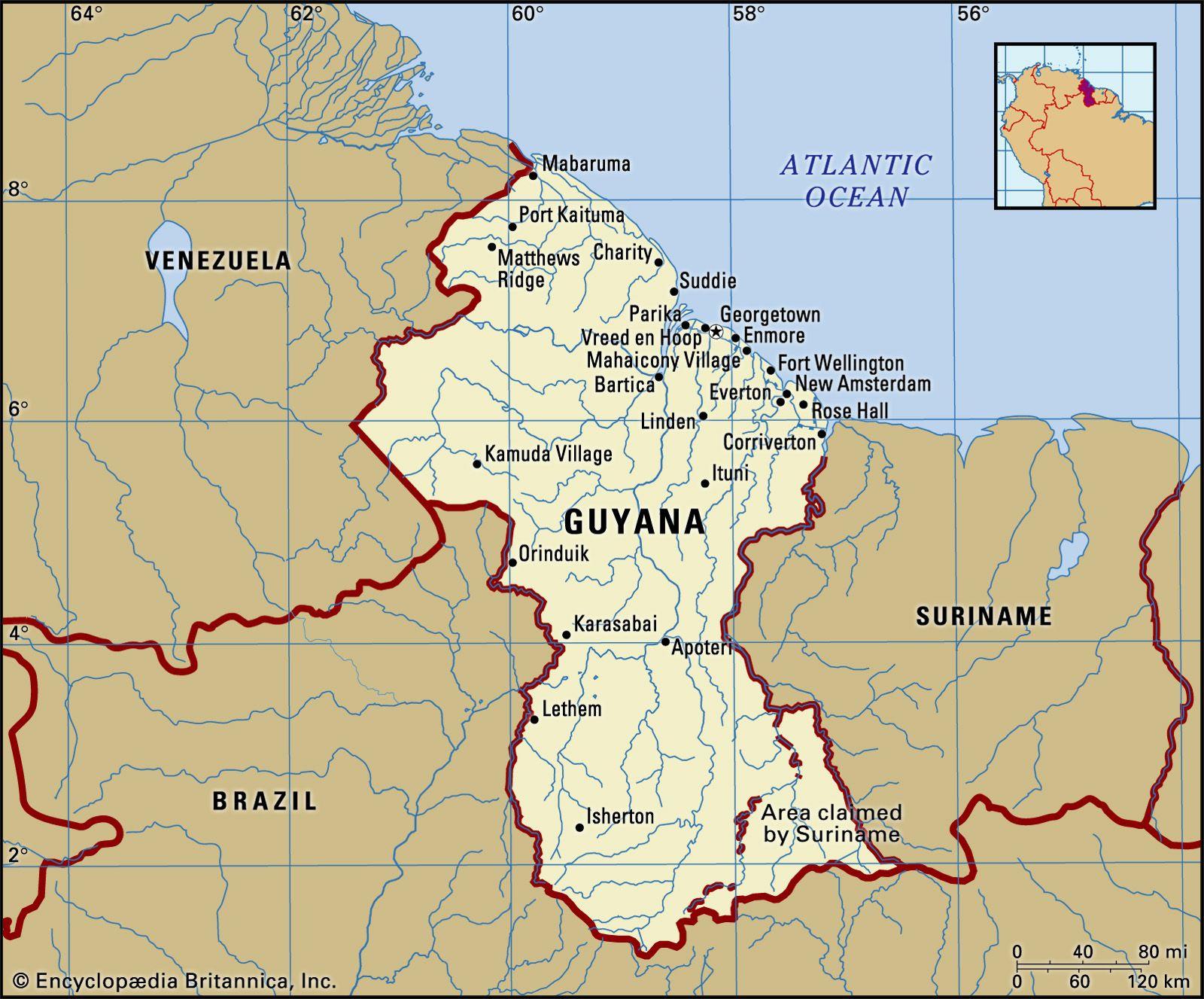
In a notable intensification of geopolitical strife in South America, U.S. Senator Marco Rubio has raised alarms about the potential consequences of a military incursion into Guyana,especially as the nation experiences an oil boom driven by ExxonMobil’s offshore ventures.With Venezuela’s historical claims over parts of Guyana and its ongoing economic challenges, Rubio’s statements underscore the delicate power dynamics and security concerns in a region with a history of conflict. The implications are profound; any confrontation over Guyanese resources could have severe consequences not just for Venezuela but also for regional stability at large. This article explores the intricacies of this emerging crisis and its broader ramifications for both nations and global stakeholders.
Venezuela’s Reaction to Guyana’s Oil Exploration Raises Concerns
The evolving landscape of South America’s oil sector has heightened tensions between Venezuela and Guyana, primarily due to the latter’s strengthening ties with ExxonMobil. Analysts caution that Venezuela’s assertive stance towards its neighbor could escalate into a major geopolitical confrontation.Senator Marco Rubio emphasized that any military action from Venezuela against Guyana could lead to what he termed a “disastrous day” for the beleaguered country. With oil reserves valued at billions on the line, how Venezuela reacts to Guyana’s expanding oil industry may either provoke international condemnation or trigger economic turmoil within Maduro’s regime. Such developments could ripple beyond regional borders,influencing global oil markets and diplomatic relations.
The Venezuelan government’s struggle to stabilize its economy while managing domestic oil production adds pressure regarding developments in neighboring Guyana. Several factors contribute to this ongoing crisis:
- Economic Turmoil: Hyperinflation and poor governance continue to plague Venezuela’s economy.
- Deteriorating International Relations: Increased scrutiny from global powers concerning human rights abuses complicates diplomatic efforts.
- Regional Security Risks: Escalating military maneuvers may destabilize security across the Caribbean basin.
The government of Guyana is resolute in safeguarding its interests amidst these shifting dynamics, asserting sovereignty over offshore discoveries that promise transformative economic benefits. A recent statement from officials highlighted that collaboration with international partners will be crucial for securing long-term advantages despite threats posed by Venezuelan actions. As tensions rise, both countries must navigate complex interests influenced by external actors such as China and the United States.
Economic Impact of ExxonMobil on Guyanese Prosperity and Regional Stability
The recent influx of ExxonMobil operations has positioned Guyana as an emerging player in global oil production while generating notable economic implications for itself and neighboring countries. As it transitions from an underdeveloped market into an influential entity within the energy sector, foreign investments alongside anticipated revenue growth are expected to catalyze broader economic progress initiatives—spurring infrastructure improvements, job creation, and enhanced public services which can foster greater stability within Guiana itself. However, this newfound wealth also brings risks such as corruption or mismanagement if not carefully overseen.
The geopolitical landscape is shifting dramatically; ExxonMobil’s presence acts as both an chance and a challenge given Venezuela’s historical territorial claims over parts of Guiana—a situation underscored by remarks from U.S officials like Senator Rubio regarding potential repercussions should hostilities arise between these nations.A conflict would jeopardize not only Guiana’s newfound wealth but also disrupt trade routes throughout Caribbean markets leading to wider instability.The possible outcomes include:
- A Surge in Military Readiness: In response to perceived threats,Venezuela might bolster its military capabilities.
- Possibility Of Conflict Spillover:A destabilized Guiana could affect surrounding nations,resulting in regional unrest.
- Diminished Investment Confidence:An unstable environment may deter foreign investors leading towards stagnation rather growth opportunities
Policy Recommendations For The U.S Amid Rising Tensions In South America
Given escalating tensions particularly concerning Venezuelan aggression toward neighboring states,the United States should adopt comprehensive strategies aimed at addressing these challenges.Key recommendations include:
- Diplomatic Engagements :Cultivating stronger ties with allies like Brazil & Colombia forming united fronts against possible aggressions .
- Targeted Economic Sanctions : Imposing sanctions specifically targeting Venezuelan leaders deterring further militaristic threats protecting US interests .
- Military Assistance : Evaluating defense collaborations with Gyanese forces enhancing their capabilities facing down potential aggressors.
- Energy Security Investments : Promoting investments within Gyanas burgeoning petroleum industry ensuring stable supplies discouraging hostile behavior.
- Strategic Partnerships : Forming alliances other producing nations diversifying sources available US & allies.
- Support For Regional Stability Initiatives:
Backing peacekeeping missions empowering local governments counteracting external pressures.
Furthermore ,fostering dialogue among energy sector stakeholders including companies like Exon Mobil becomes essential mitigating risks associated disruptions caused by Venzuelan actions.To achieve this ,US should consider implementing :
Conclusion: Navigating Future Challenges In Energy And Geopolitics Across South America
The rising tensions surrounding ExxonMobil’s activities have ignited serious concerns throughout Latin America especially among Venezuelans who closely monitor unfolding events.Senator Marco Rubios observations highlight precarious balance existing between resource exploration geopolitics across southern continent.As Caracas grapples internally amid political/economic crises possibility conflicts looms large requiring vigilance from all parties involved including energy stakeholders/regional authorities/international observers alike recognizing aggressive moves can yield dire consequences extending far beyond national borders.As developments progress understanding implications tied directly affecting future trajectories shaping landscapes around natural resources remains critical.