
Guyana Case Study: Climate Refugees – Insights from the Othering & Belonging Institute
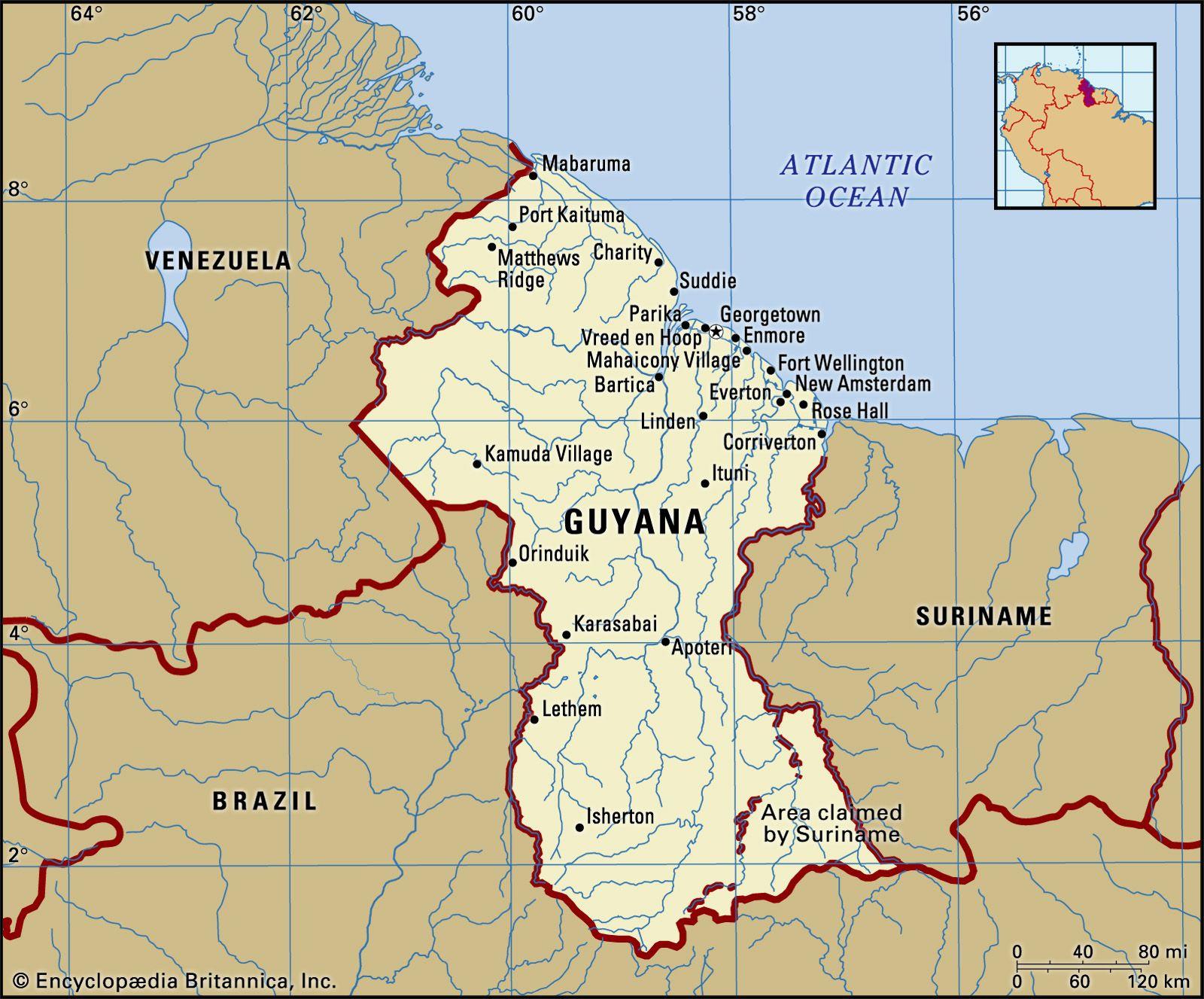
As the effects of climate change intensify worldwide, the plight of climate refugees has emerged as a critical humanitarian and geopolitical issue. In a new case study by the Othering & Belonging Institute at the University of California, Berkeley, the spotlight is cast on Guyana-a country facing the dual challenges of rising sea levels and increasing displacement. This comprehensive analysis delves into the narratives of those forced to abandon their homes due to environmental degradation and explores the broader implications for identity, belonging, and community resilience. Through firsthand accounts and data-driven insights, the study sheds light on how climate migration is not merely a matter of survival, but one that intricately weaves together questions of social justice, equity, and inclusion. As nations grapple with the implications of climate displacement, Guyana serves as a poignant example of the urgent need for action, advocacy, and a rethinking of belonging in an era marked by unprecedented environmental change.
Examining Climate Refugee Dynamics in Guyana and Their Societal Impacts
With rising sea levels and increased flooding, many communities in Guyana are finding their livelihoods threatened, forcing some to abandon their homes in search of safety and stability. The phenomenon of climate displacement is increasingly evident as affected populations grapple with the emotional, cultural, and economic upheavals that accompany such changes. Displaced individuals often face challenges in accessing basic necessities and services, leading to a transformation in community dynamics and a shift in social structures. This migration is not merely a relocation; it represents a complex interplay of hope, loss, and adaptation in the face of environmental stressors.
The societal impacts are profound, manifesting in various ways, including:
- Economic Strain: Increased demand for housing, education, and healthcare in urban areas, straining local resources.
- Cultural Displacement: The loss of traditional practices and community cohesion in both originating and receiving areas.
- Political Challenges: Heightened tensions over land and resource allocation, leading to conflict and resistance.
To illustrate some of these dynamics, the table below summarizes key findings on the experience of climate refugees in Guyana:
| Aspect | Impact on Communities |
|---|---|
| Housing | Acute shortages, leading to overcrowded living conditions. |
| Employment | Increased competition for jobs in urban areas, often resulting in lower wages. |
| Health | Higher vulnerability to illness due to stress and limited access to healthcare services. |
Strategies for Fostering Inclusion and Belonging Among Displaced Communities
In the face of escalating climate challenges, fostering a sense of inclusion and belonging among displaced communities is essential for social cohesion and resilience. Here are several strategies that can spearhead these efforts:
- Community Engagement: Actively involve displaced individuals in the decision-making processes that affect their lives. This may include community meetings and workshops designed to facilitate open dialogue and share experiences.
- Culturally Relevant Support Services: Ensure that services and resources are tailored to the unique cultural and social backgrounds of displaced populations. This can involve training community workers to understand and respect these differences.
- Collaboration with Local Organizations: Partner with local NGOs and community groups to harness existing networks and facilitate the integration of displaced individuals into local society.
Another essential component of fostering belonging is creating safe spaces for interaction and connection. Establishing community centers can serve as hubs for cultural exchange, where various activities such as language classes, cultural celebrations, and skill-building workshops promote inclusivity. Below is a simple representation of potential activities that could be implemented:
| Activity | Purpose |
|---|---|
| Language Classes | Enhance communication skills and cultural integration. |
| Cultural Celebrations | Promote understanding and appreciation of diverse heritages. |
| Skill-building Workshops | Empower individuals with job-ready skills and foster economic independence. |
Policy Recommendations for Addressing Climate-Induced Migration in Guyana
The impact of climate change has escalated the necessity for a comprehensive framework to address climate-induced migration in Guyana. Policymakers must prioritize an integrated approach that encompasses social, economic, and environmental factors to effectively manage and support affected communities. This includes establishing a formal recognition of climate refugees, ensuring their rights are upheld and providing them with access to essential services. Key strategies should involve:
- Enhancing local resilience: Investing in infrastructure that withstands climate shocks and equipping communities with adaptive strategies to reduce vulnerability.
- Facilitating job creation: Developing green jobs in sectors such as renewable energy and sustainable agriculture to offer new pathways for displaced individuals.
- Strengthening legal frameworks: Implementing policies that safeguard the rights of internal migrants, ensuring their ability to access education, healthcare, and social services.
Moreover, collaboration between governmental and non-governmental organizations is critical in fostering an inclusive dialogue around migration issues. Establishing community-based programs that empower local voices will enhance social cohesion and foster a sense of belonging among migrants. Essential actions include:
- Community engagement: Involving local populations in decision-making processes to better understand their needs and experiences.
- Data collection and research: Conducting studies on patterns of migration and the socio-economic impacts of climate change to inform policy decisions.
- Regional cooperation: Partnering with neighboring countries to address cross-border migration and share best practices in managing climate impacts.
| Policy Area | Recommended Actions |
|---|---|
| Legal Recognition | Formulate laws that recognize climate-induced migrants |
| Economic Opportunities | Create job programs in sustainable sectors |
| Tools for Resilience | Invest in climate-resilient infrastructure |
Concluding Remarks
In conclusion, the Guyana case study underscores the urgent and complex issue of climate refugees and the broader implications of environmental displacement. As rising sea levels and increasing natural disasters force communities to abandon their homes, the narratives of those affected reveal a stark reality that challenges our understanding of belonging and identity. The work of the Othering & Belonging Institute highlights the need for a comprehensive approach that not only addresses the immediate needs of displaced populations but also promotes inclusivity and equity in the face of climate change. As we move forward, it is imperative that policymakers, communities, and advocates collaborate to ensure that climate refugees are not marginalized, but rather integrated into solutions that recognize their humanity and resilience. The lessons learned from Guyana can guide us in fostering a more inclusive future for all who are impacted by this global crisis.









