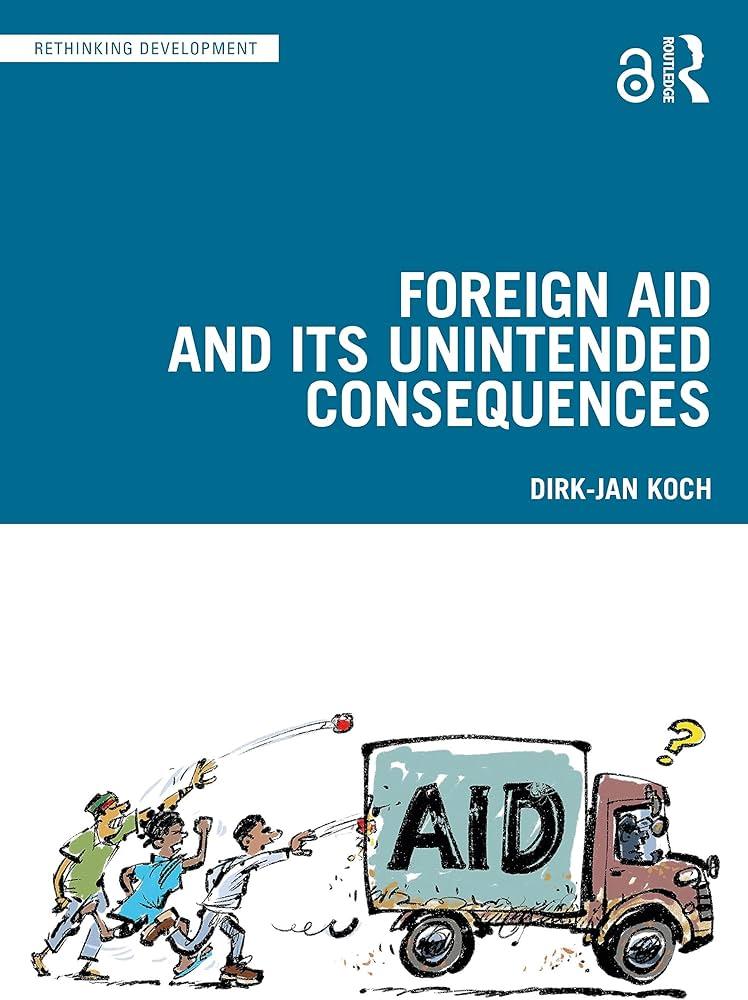
In recent years, foreign aid has emerged as a pivotal tool in advancing diplomatic relations and fostering economic development across the globe. Among the nations benefiting from U.S. assistance is Guyana, a South American country rich in natural resources yet grappling with challenges of economic growth and infrastructure development. As the United States continues to strategize its foreign aid allocations, understanding the extent and impact of American contributions to Guyana becomes increasingly pertinent. This article delves into the nuances of U.S. foreign aid to Guyana, examining not only the financial figures but also the broader implications for both nations, as well as the critical areas of focus for aid initiatives. Through data from USAFacts, we explore the narrative behind the numbers and shed light on the relationship between the two countries.
Understanding US Foreign Aid to Guyana and Its Impact on Development
The United States has been a significant source of foreign aid to Guyana, primarily aimed at fostering economic development, promoting democracy, and improving regional stability. Over the past few years, US aid has been strategically allocated to various sectors including health, education, and infrastructure, significantly contributing to the alleviation of poverty in the region. The funds have supported projects that aim to enhance local governance, strengthen law enforcement, and provide essential services to communities across the nation. Key areas of focus include:
- Health Initiatives: Funding for healthcare improvements, combating infectious diseases, and enhancing maternal and child health.
- Educational Programs: Scholarships for students, teacher training, and curriculum development.
- Infrastructure Development: Investment in roads, energy projects, and water supply systems to bolster economic activity.
This assistance not only addresses immediate needs but also lays the groundwork for sustainable development. The impact of US foreign aid is observable in several areas of social progress and economic growth. For instance, by prioritizing agricultural development and food security, the US has played a vital role in helping Guyana enhance its agricultural productivity, thus benefiting local farmers and contributing to food sovereignty. The following table illustrates the allocation of US foreign aid over recent fiscal years:
| Fiscal Year | Amount of Aid (in millions) | Primary Focus Area |
|---|---|---|
| 2021 | $20 | Health & Education |
| 2022 | $25 | Infrastructure |
| 2023 | $30 | Agriculture & Food Security |
In conclusion, US foreign aid to Guyana plays a crucial role in supporting the country’s development goals, enhancing the quality of life for its citizens, and promoting regional stability. As challenges evolve, continued investment in key sectors will be essential for sustaining progress and fostering a resilient future for Guyana.
Analyzing the Allocation and Effectiveness of Aid in Key Sectors
The allocation of foreign aid from the United States to Guyana has been directed toward several key sectors that are vital for the nation’s development and stability. In recent years, there has been a notable emphasis on the following areas:
- Health: Aid has been channeled into healthcare improvements, focusing on infectious diseases, maternal health, and primary healthcare expansion.
- Education: Investments in educational resources aim to elevate literacy rates and vocational training opportunities.
- Infrastructure: Support for infrastructure development seeks to enhance transportation networks and access to clean water.
These sectors not only reflect immediate needs but also build a foundation for long-term growth, demonstrating the targeted approach of U.S. aid.
Evaluating the effectiveness of this aid reveals a mixed picture. While progress in areas like health and education is observable, challenges remain in marrying aid provision with local capacity building. Key factors affecting the impact include:
- Coordination with Local Governments: Effective collaboration is essential to ensure that aid is used efficiently and aligns with national priorities.
- Monitoring and Evaluation: A robust framework is needed to assess the outcomes of aid investments and make necessary adjustments.
Understanding these dynamics helps in adjusting strategies to optimize the effect of U.S. foreign aid in Guyana, ensuring that it not only addresses immediate needs but also contributes to sustainable development.
Strategic Recommendations for Enhancing US Assistance to Guyana
To better align U.S. assistance with Guyana’s developmental needs and geopolitical strategies, several strategic recommendations can enhance the effectiveness of aid. First, fostering public-private partnerships could stimulate economic growth and provide sustainable solutions in critical areas such as infrastructure and energy. By leveraging the expertise and capital of American companies, the U.S. can help develop Guyana’s nascent oil sector while ensuring environmental sustainability and compliance with international standards. This could not only provide immediate job opportunities but also lay the groundwork for long-term economic resilience.
Secondly, increasing investment in education and capacity building will empower Guyanese citizens to better manage their resources and prepare for future challenges. Programs focusing on STEM (Science, Technology, Engineering, and Mathematics) education, vocational training, and entrepreneurship would equip the workforce with the skills necessary for a rapidly changing economy. Furthermore, collaboration with local institutions to strengthen governance and civil society will ensure that aid enhances democratic principles and fosters a resilient socio-political environment.
The Conclusion
In conclusion, the relationship between the United States and Guyana is underscored by a significant foreign aid partnership that reflects both strategic interests and humanitarian commitments. As outlined, U.S. assistance has evolved over the years, targeting diverse areas such as economic development, health, and security, spotlighting the importance of supporting democratic governance and sustainable growth in the region. The data presented by USAFacts sheds light on the complexities of foreign aid distribution and raises pertinent questions about its impact and effectiveness. As geopolitical dynamics shift and new challenges arise, monitoring the flow and impact of U.S. foreign aid will remain crucial for understanding not only the development trajectory of Guyana but also the broader implications for U.S. foreign policy in Latin America. As we look to the future, the continued engagement between these nations will be instrumental in fostering stability and prosperity in the Caribbean.