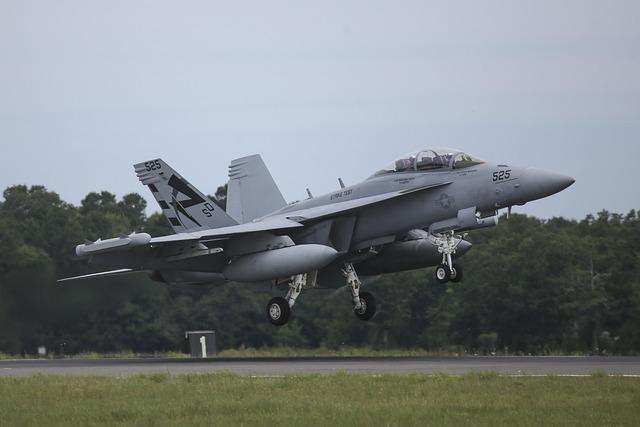
In a demonstration of international collaboration and regional security, the U.S. Navy has recently conducted a joint mission with the Guyanese military near the Essequibo region. This strategic partnership underscores the growing ties between the United States and Guyana, as both nations work together to enhance maritime security and address shared challenges in the waters of South America. The joint operation, which involved various naval assets and personnel from both forces, highlights the importance of collective defense measures in an era marked by geopolitical tensions and evolving threats in the Caribbean and beyond. As the U.S. continues to bolster its presence in the region, this mission not only reflects a commitment to regional allies but also aims to promote stability and ensure safe navigation in key maritime corridors.
U.S. Navy Strengthens Regional Ties Through Joint Mission with Guyana
The recent collaborative effort between the U.S. Navy and the Guyanese defense forces near the Essequibo region underscores the growing commitment to fostering security and stability in South America. This joint mission aimed to enhance interoperability and strategic cooperation between the two nations, with a focus on addressing regional challenges such as drug trafficking, humanitarian crises, and natural disaster response. The partnership highlights the importance of working together to ensure maritime safety and uphold international maritime laws, especially in areas where territorial disputes may arise.
During this mission, various exercises were conducted that exemplified the shared commitment to regional solidarity. The collaboration included:
- Joint training exercises on search and rescue operations
- Enhanced communication protocols for rapid response scenarios
- Strategic environmental assessments of the region’s waterways
The experience gained from these exercises is invaluable, as it not only strengthens defense capabilities but also builds trust and rapport between the U.S. Navy and the Guyana Defence Force. The outcomes of this mission are anticipated to contribute positively to multilateral efforts in the Caribbean and South America, paving the way for future engagements and support initiatives.
Strategic Implications of the Essequibo Operation for Maritime Security
The joint mission between the U.S. Navy and the Guyanese Coast Guard near the Essequibo River not only symbolizes a powerful alliance but also underscores a strategic pivot in maritime security within the region. As geopolitical tensions rise, particularly due to territorial disputes and the increasing presence of non-state actors, the collaboration facilitates enhanced surveillance and operational readiness. This endeavor can lead to greater stability in the waters off South America, empowering both nations to protect their sovereign interests and maintain freedom of navigation in crucial maritime routes. Key strategic benefits include:
- Enhanced Intelligence Sharing: Facilitating real-time data exchange on potential maritime threats.
- Joint Training Exercises: Improving combat readiness and interoperability between naval forces.
- Strengthened Regional Partnerships: Reinforcing ties with other South American nations while focusing on collective security.
Moreover, the operation’s implications extend to economic considerations, particularly concerning resource exploration and environmental protection. The Essequibo region is rich in biodiversity and potential oil reserves, making its security paramount for both countries. Effective maritime security efforts can provide a conducive environment for foreign investment and sustainable extraction methods, ensuring that both nations can capitalize on their natural resources without compromising ecological integrity. Critical to this strategy is the adoption of proactive measures, including:
| Measure | Benefit |
|---|---|
| Increased Patrols | Deterring illegal fishing and piracy activities. |
| Environmental Monitoring | Protecting marine biodiversity and sustaining local fisheries. |
| Infrastructure Development | Enhancing naval facilities to support extended missions. |
Recommendations for Enhancing Future Collaborations in Caribbean Defense
To foster a stronger alliance in Caribbean defense, it is essential to enhance collaborative frameworks that address regional security challenges. By establishing regular joint exercises among member nations, various stakeholders can increase operational readiness and improve interoperability. These drills should focus not only on conventional military scenarios but also on maritime security, humanitarian assistance, and disaster response. Additionally, promoting intelligence-sharing agreements can enable countries to better understand emerging threats, ensuring a coordinated response to issues such as smuggling, piracy, and transnational crime.
Furthermore, investing in joint training programs will help strengthen personnel capabilities across nations. These programs can be tailored to address specific regional needs while fostering camaraderie and trust among forces. Establishing a permanent regional defense council may provide a platform for dialogue and decision-making, allowing for collective strategies to emerge more effectively. By prioritizing collaborative initiatives and technological exchange, countries within the Caribbean can enhance their defensive posture and contribute to a more secure collective future.
In Summary
In conclusion, the recent joint mission conducted by the U.S. Navy alongside the Guyanese defense forces near the Essequibo region underscores the deepening security cooperation between the United States and Guyana. As regional dynamics continue to evolve, such collaborative efforts aim to bolster maritime security and enhance readiness in addressing potential threats. This mission not only reflects the commitment of both nations to uphold stability in the Caribbean but also serves as a testament to the importance of international partnerships in maintaining peace and security. Observers will be keen to see how this cooperation unfolds in the future and its implications for broader geopolitical interests in South America.