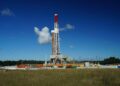
ExxonMobil Builds ‘Petro-State’ in Guyana Amid Environmental Concerns
As ExxonMobil ramps up its operations in Guyana, the South American nation is rapidly transforming into a burgeoning petro-state. With vast reserves of offshore oil, Guyana has become a focal point for energy investment and economic growth. However, this energy boom comes with a host of environmental worries, prompting concerns among local communities and global environmental advocates. As industrial activities intensify, debates surrounding the ecological impact of oil extraction-ranging from deforestation to potential oil spills-gain urgency. This article delves into the implications of ExxonMobil’s expanding role in Guyana, examining the conflict between economic prosperity and environmental sustainability that increasingly characterizes the country’s path forward.
ExxonMobil’s Expansion in Guyana Ignites Environmental Backlash
The rapid expansion of ExxonMobil’s operations in Guyana has triggered significant environmental concerns, as locals and activists fear the long-term ecological impact of increased oil production. Critics argue that the transformation of Guyana into a petroleum-centric economy could lead to severe consequences for its rich biodiversity and unique ecosystems. The region is home to a variety of endangered species and vital habitats, which could be threatened by oil spills, gas flaring, and other industrial activities. Notably, concerns include:
- Threat to Marine Life: Potential oil spills jeopardize fishing industries and marine biodiversity.
- Deforestation: Increased infrastructure may lead to habitat loss and deforestation.
- Water Contamination: Risks of contamination of freshwater sources for local communities.
Moreover, the Guyanese government faces pressure from both internal and external stakeholders to balance economic growth with environmental stewardship. Local communities, often underrepresented in discussions about development, have voiced alarm over the lack of comprehensive environmental assessments before projects are approved. Environmental organizations are advocating for stricter regulations and transparency in ExxonMobil’s operations, urging the government to consider sustainable development practices. A recent survey highlighted public sentiment regarding ExxonMobil’s activities in Guyana:
| Public Concerns | Percentage of Respondents |
|---|---|
| Environmental Impact | 67% |
| Economic Benefits | 21% |
| Job Creation | 12% |
Navigating the Petro-State: Assessing Economic Benefits and Ecological Risks
The recent endeavors of ExxonMobil in Guyana showcase a rapidly evolving landscape where economic opportunities collide with ecological vulnerabilities. The nation, endowed with substantial offshore oil reserves, has become an attractive hub for energy investors seeking to capitalize on the resource boom. The influx of capital and potential job creation promise to rejuvenate an economy traditionally reliant on agriculture and mining. Key benefits include:
- Increased Foreign Investment: Significant economic growth and infrastructure development fueled by oil revenue.
- Job Creation: Employment opportunities in both skilled and unskilled labor sectors, from oil extraction to related services.
- Revenue Generation: Enhanced fiscal resources for public spending on health, education, and infrastructure.
However, beneath the surface of this economic optimism lies a growing apprehension regarding environmental sustainability. Critics raise alarm over the swift pace of development, which may outstrip regulatory frameworks designed to protect fragile ecosystems. Among the pressing ecological risks associated with the ‘petro-state’ model are:
- Oil Spills: Potential for catastrophic spills affecting marine and coastal biodiversity.
- Deforestation: Increased land conversion for infrastructure projects threatening the Amazon rainforest.
- Local Pollution: Risks arising from flaring operations, which could deteriorate air quality and disrupt communities.
| Economic Benefits | Ecological Risks |
|---|---|
| Foreign Investment Boost | Oil Spill Incidents |
| Job Creation Opportunities | Deforestation Concerns |
| Enhanced Public Revenue | Local Pollution Issues |
Recommendations for Sustainable Development in Guyana’s Oil Sector
To ensure that the burgeoning oil sector in Guyana does not become a detriment to the nation’s environment and social fabric, a series of recommendations must be embraced. First, establishing robust regulatory frameworks is essential. These frameworks should include strict environmental assessments and pollution controls to mitigate the risks associated with oil drilling and production. Additionally, promoting transparency in contracts and revenue management will foster trust and encourage sustainable practices among all stakeholders.
Secondly, investing in renewable energy initiatives can provide Guyana with a diversified energy portfolio, reducing dependence on fossil fuels in the long term. Collaborating with international organizations and local communities to build sustainable infrastructure can enhance resilience against climate change and environmental degradation. Finally, focusing on education and capacity-building programs will empower the local workforce, ensuring that they are equipped with the necessary skills to engage in both the oil sector and emerging green industries.
Final Thoughts
In conclusion, ExxonMobil’s aggressive expansion in Guyana underscores the intricate balancing act of economic development and environmental stewardship. As the nation embraces its newfound status as a significant player in the global oil industry, the repercussions of this rapid transformation are becoming increasingly evident. Local communities and environmental advocates are ringing alarm bells about potential ecological consequences, yet the promise of substantial investment and job creation looms large in the minds of many. As the dialogue continues, the world will be watching closely to see how Guyana navigates this complex landscape-one that could redefine its future, for better or worse. The challenges ahead necessitate a robust commitment to transparency, sustainability, and community engagement, ensuring that the benefits of this petro-state do not come at the expense of the environment or the health of its citizens.