
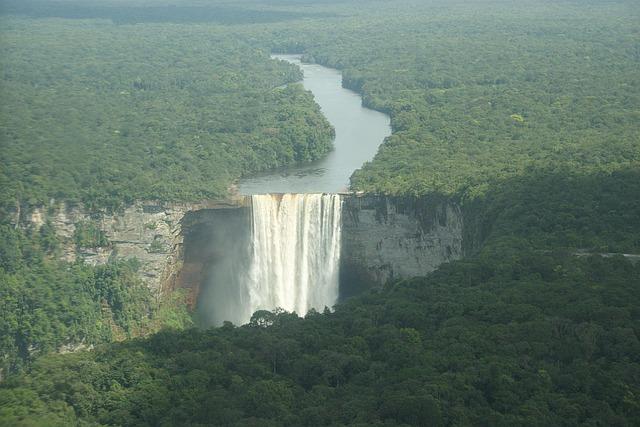
Guyana: A Primer on a Strategic U.S. Caribbean & South American Ally
In an era marked by shifting geopolitical landscapes and strategic alliances, Guyana is emerging as a critical player in the Caribbean and South American regions. Nestled along the northeastern coast of South America, this vibrant nation is not only rich in cultural diversity and natural resources, but it has also become increasingly significant to U.S. foreign policy objectives. With its recent oil discoveries and strengthening ties with Washington, Guyana is poised to bolster its role as a strategic ally in a landscape shaped by competition for influence from global powers. This article delves into the factors that contribute to Guyana’s ascendancy on the international stage, exploring its political landscape, economic potential, and the implications of its partnership with the United States. In a world where alliances can shift overnight, understanding Guyana’s position is more essential than ever for policymakers and observers alike.
Understanding Guyana’s Emerging Role in U.S. Foreign Policy
Guyana has rapidly emerged as a focal point in U.S. foreign policy, particularly due to its strategic location in the Caribbean and South America. With a wealth of natural resources, including vast reserves of oil, the country is evolving into a significant player on the global stage. The Biden administration recognizes Guyana’s potential not only as an energy powerhouse but also as a vital ally in combating issues such as transnational crime, drug trafficking, and climate change. This multi-dimensional partnership is crucial for enhancing regional stability and addressing the challenges posed by neighboring countries. Important aspects of this collaboration include:
- Energy Cooperation: Joint initiatives in oil production and renewable energy.
- Security Partnerships: Enhanced collaboration to counteract crime and illicit activities.
- Environmental Initiatives: Shared goals in climate resilience and sustainable development.
The geopolitical dynamics of the Caribbean and South America necessitate a robust relationship between the U.S. and Guyana. As the world faces increasing challenges, such as China’s influence in the region, strengthening ties with Guyana becomes paramount. This partnership is expected to promote economic growth in Guyana while simultaneously serving U.S. interests in national security and stability in the hemisphere. A clear pathway for cooperation can be outlined through a strategic framework comprising:
| Key Areas | U.S. Interests | Guyana’s Benefits |
|---|---|---|
| Trade Agreements | Boosting exports | Job creation |
| Military Support | Regional security | Defense capability enhancement |
| Investment in Infrastructure | Economic stability | Improved living standards |
Economic Opportunities and Challenges in Guyana’s Oil Boom
Guyana stands on the precipice of economic transformation, driven primarily by its burgeoning oil industry. With vast reserves discovered offshore, the nation is poised to become one of the fastest-growing economies in the world. The opportunities generated from oil production are significant, including the potential for enhanced government revenues, foreign direct investment, and job creation in various sectors. Key benefits may include:
- Increased Fiscal Revenue: A surge in oil exports is expected to boost government coffers, allowing for improved public services and infrastructure development.
- Job Creation: A growing oil sector can stimulate employment opportunities, particularly in engineering, construction, and support services.
- Foreign Investment: The oil boom is attracting international investment, which could lead to further diversification of the economy.
However, the oil boom also brings considerable challenges that must be addressed to ensure sustainable growth. The risk of Dutch Disease, where a boom in one sector leads to a decline in other areas of the economy, poses a significant threat. Additionally, the rapid influx of revenue may lead to inequality, as some groups benefit disproportionately. Other challenges include:
- Environmental Impacts: Increased oil production raises concerns about ecological degradation and climate change repercussions.
- Regulatory Measures: Developing efficient policies to manage the sector responsibly will be crucial in avoiding corruption and ensuring equity.
- Infrastructure Strain: A surge in population and economic activity can place strains on existing infrastructure, necessitating timely upgrades.
| Aspect | Opportunities | Challenges |
|---|---|---|
| Revenue Generation | Boosted economic growth | Risk of corruption |
| Job Market | Increased job opportunities | Inequality in employment access |
| Investment Climate | Foreign investment influx | Regulatory complexities |
| Environmental Policy | Sustainable practices development | Pollution and climate concerns |
Strengthening Diplomatic Ties: Strategies for U.S. Engagement in the Region
As the geopolitical landscape evolves, it becomes increasingly essential for the United States to enhance its diplomatic engagement with Guyana, a pivotal partner in both the Caribbean and South America. Strengthening these ties requires a multifaceted approach that focuses on mutual interests and collaborative initiatives. Key strategies for this engagement include:
- Economic Cooperation: Promoting trade and investment opportunities that benefit both nations.
- Security Partnerships: Collaborating on regional security initiatives to combat transnational crime and enhance stability.
- Environmental Sustainability: Joint efforts to address climate change impacts and preserve biodiversity in the Amazon basin.
- Cultural Exchange Programs: Fostering people-to-people connections through educational and cultural initiatives.
In addition to these strategies, the U.S. can also leverage its historical ties and shared democratic values to deepen its relationship with Guyana. This can be achieved through initiatives such as:
| Initiative | Description |
|---|---|
| Trade Missions | Facilitating U.S. business visits to promote investment opportunities in Guyana. |
| Joint Military Exercises | Enhancing defense capabilities through collaborative training exercises. |
| Scholarship Programs | Offering scholarships for Guyanese students to study in the U.S. |
By implementing these strategies, the U.S. can not only strengthen its diplomatic ties with Guyana but also pave the way for a more prosperous and stable Caribbean and South American region.
In Conclusion
In summary, Guyana emerges as not just a geographical entity within the Caribbean and South America, but as a pivotal ally for the United States in an increasingly dynamic geopolitical landscape. With its vast natural resources, strategic location, and growing economic ties with both regional and global partners, Guyana is poised to play a significant role in U.S. foreign policy objectives in the Western Hemisphere. As challenges such as political instability, environmental concerns, and the influence of extra-regional powers loom, understanding Guyana’s multifaceted importance will be crucial for policymakers and stakeholders alike. As we look ahead, the U.S.-Guyana partnership holds the potential to shape not only bilateral relations but also the future stability and prosperity of the broader Caribbean and South American region.









