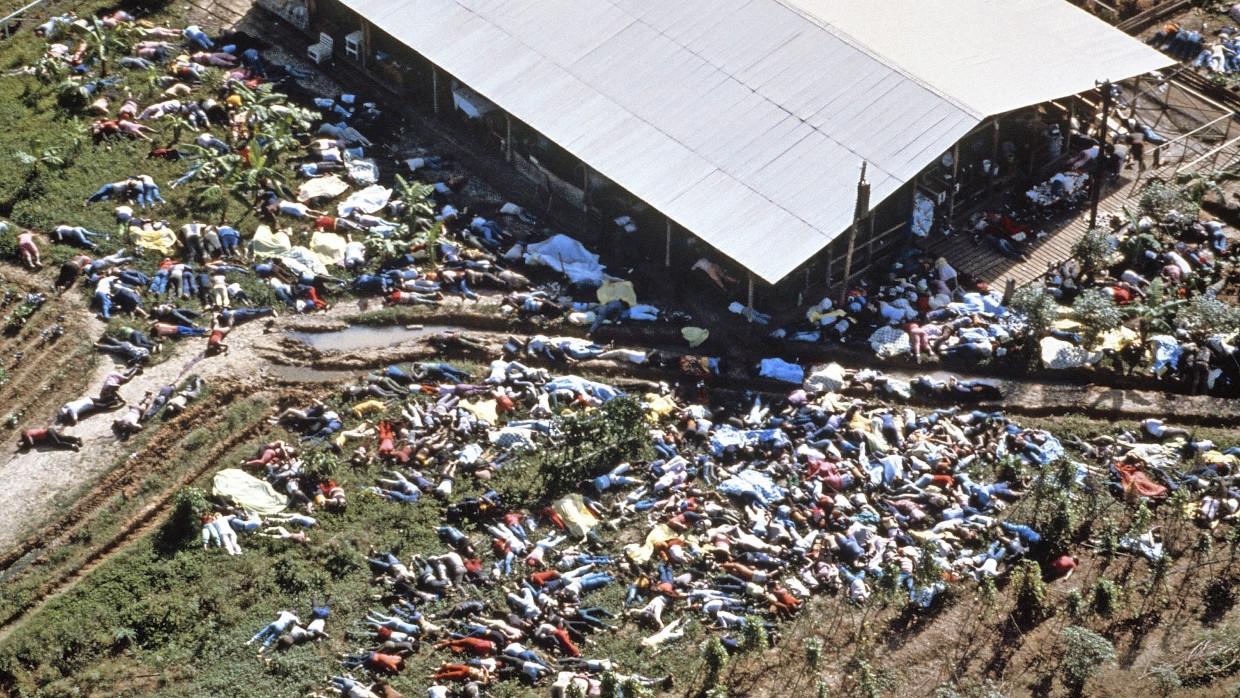
Visiting Jonestown: A Journey to the Site of Tragedy in Guyana
In the dense jungles of Guyana lies a site marked by one of the most chilling episodes in modern history-Jonestown. Established in the 1970s by the Peoples Temple, led by the charismatic and controversial figure Jim Jones, this remote settlement became the backdrop for a tragic mass murder and suicide that claimed the lives of over 900 individuals in November 1978. Today, Jonestown stands as a poignant reminder of the dangers of fanaticism and the depths of human despair. As visitors make their way to this haunting location, they are confronted not only with the physical remnants of a derelict community but also with the enduring questions surrounding the events that transpired here. This article explores the significance of visiting Jonestown, the remnants of its past, and the crucial lessons that continue to resonate decades later.
Understanding the Historical Context of Jonestown Tragedy
To grasp the full weight of the Jonestown tragedy, it is essential to consider the socio-political climate of the 1970s. A time marked by upheaval and distrust, the United States faced widespread disillusionment through events such as the Vietnam War and the Watergate scandal. These tumultuous circumstances fostered a fertile ground for charismatic leaders like Jim Jones, who promised an escape from societal ills. His Peoples Temple blended elements of Christianity, socialism, and a utopian vision, attracting followers who sought community and purpose amidst the chaos of their reality.
The eventual migration to Guyana in 1977 was not merely an act of escape but represented a longing for a promised land, a sanctuary where followers could live out their ideals free from external judgment. This idealism quickly turned to despair, as allegations of abuse and oppressive control became rampant. Ultimately, the tragic culmination of these circumstances in November 1978, when over 900 individuals lost their lives in a mass murder-suicide, serves as a chilling reminder of how the intersection of faith, ambition, and manipulation can lead to catastrophic outcomes. Key elements contributing to the tragedy include:
- Charismatic leadership: Jim Jones wielded significant emotional influence.
- Cult dynamics: Isolation and fear were used to maintain control.
- Societal disillusionment: The era’s unrest made radical beliefs attractive.
Navigating the Site: What to Expect on Your Visit to Jonestown
Exploring Jonestown requires a sensitive approach, given its complex history. Visitors can expect a site that serves as both a memorial and a historical testimony to the tragic events that transpired in the 1970s. As you navigate through the remnants of the settlement, you’ll encounter various markers that provide insights into the People’s Temple community, its leaders, and the harrowing conclusion that led to the loss of over 900 lives. Guided tours are available to help contextualize the experience, offering detailed narratives and personal accounts that illuminate the factors leading up to the mass tragedy.
The landscape itself serves as a poignant backdrop to the stories being told. Here are some features you can look forward to during your visit:
- Memorial Plaques: Commemorative plaques pay tribute to the lives lost.
- Visitor Center: Educational resources offer a deeper understanding of the events and their implications.
- Nature Trails: The surrounding flora and fauna provide a stark contrast to the site’s somber history.
- Documentary Screenings: Visual narratives that recount the timeline of events are often showcased.
Accessibility varies, and it is recommended to check local guidelines for visiting hours and safety protocols. Below is a quick reference table detailing essential visitor information:
| Feature | Details |
|---|---|
| Open Hours | 9 AM – 5 PM, Daily |
| Guided Tours | Available every hour |
| Entry Fee | $10 per person |
| Accessibility | Parts of the site are wheelchair accessible |
Engaging with the Legacy: Reflecting on Lessons Learned from Jonestown
As visitors step onto the grounds of Jonestown, the haunting remnants of a tragic chapter in history stir a complex tapestry of emotions-sorrow, anger, and reflection. The legacy of this place invokes a deeper understanding of the human psyche, examining how power dynamics, psychological manipulation, and a fervent quest for utopia can spiral into catastrophic outcomes. A visit here serves as a poignant reminder of the dangers of blind faith and the importance of critical thinking. In contemplating the lessons learned, we are urged to recognize the red flags of groupthink and the perils of charismatic authority.
The following key lessons emerge from the tragedy at Jonestown, providing us with moments of introspection:
- The importance of skepticism: Encouraging a questioning attitude can empower individuals to resist manipulation.
- Community versus isolation: Isolation from broader societal influences makes groups vulnerable to radicalization.
- Educating about mental health: Understanding psychological pressures can better prepare individuals for recognizing cult-like dynamics.
To facilitate further understanding, a summary of the events surrounding Jonestown is outlined below:
| Key Event | Date | Significance |
|---|---|---|
| Formation of People’s Temple | 1955 | Foundation of a community promoting social justice. |
| Relocation to Guyana | 1973 | A move to establish a utopian society away from persecution. |
| Mass suicide | November 18, 1978 | A tragic culmination of ideology and desperation. |
To Conclude
As we reflect on the haunting legacy of Jonestown, it is crucial to approach this historical site with sensitivity and understanding. The events that unfolded in November 1978 serve as a somber reminder of the complexities of human belief, trust, and manipulation. Visiting Jonestown today invites a moment of contemplation, urging us to consider not only the lives lost but also the broader implications of cult dynamics and social cohesion.
For visitors, this site offers a chance to engage with the past and to honor the memories of those who perished in the tragedy. As discussions around mental health, charismatic leadership, and community vulnerabilities continue to evolve, so too does our understanding of such events. Jonestown stands not just as a memorial, but as a call to foster awareness and vigilance in our communities.
In the end, a visit to Jonestown is not only about bearing witness to history, but also about learning from it-ensuring that the lessons of the past resonate for future generations. As we part from this reflection on Jonestown, we emphasize the importance of remembering history accurately and empathetically, allowing it to inform our present and influence a more informed future.