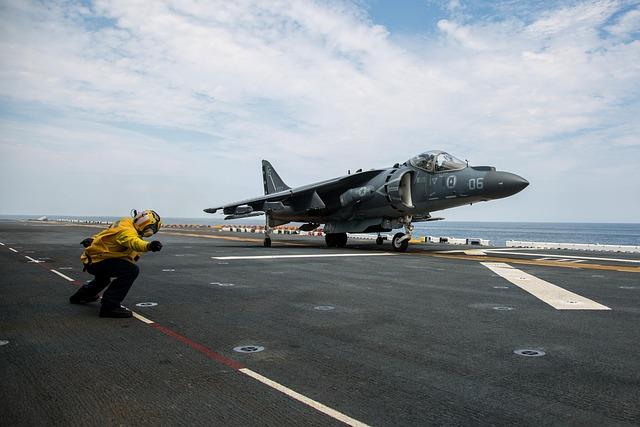
In a display of military readiness and geopolitical significance, the US Navy conducted a stunning flyover of the AV-8B Harrier II in Guyana, underscoring the escalating tensions with neighboring Venezuela. This demonstration of air power comes at a time when diplomatic relations in South America are fraught with uncertainty, as Venezuela faces heightened scrutiny and regional unrest. The flyover not only showcases the capabilities of the Harrier II, a versatile vertical takeoff and landing aircraft, but also serves as a strategic signal to both allies and adversaries in a rapidly evolving landscape. As US forces reaffirm their commitment to regional stability, the implications of this display resonate far beyond the skies of Guyana, highlighting the intricate interplay of defense, diplomacy, and regional security in a time of crisis.
US Military Engagement in South America: Implications of the Harrier II Flyover in Guyana
The recent flyover of the US AV-8B Harrier II over Guyana has raised eyebrows in the region, particularly in light of the increasing tensions between the United States and Venezuela. This maneuver, executed as part of a broader defense strategy, serves multiple purposes: demonstrating military capability, reinforcing commitments to regional allies, and signaling to adversaries that engagement is a priority for the US. Analysts believe that such actions are not solely about display but also represent a nuanced approach to strengthening partnerships with South American countries, especially those that share concerns about Venezuelan aggression.
In the context of geopolitics, the implications of this flyover can be profound. Key points include:
- Enhanced military cooperation: This event could pave the way for deeper military collaboration between the US and Guyana, expanding joint training exercises and intelligence sharing.
- Deterrence against hostile actions: The presence of American military power in the region serves as a deterrent to Venezuela and its allies, potentially curbing aggressive maneuvers.
- Domestic support: The involvement of US military assets is likely to be viewed favorably by some segments of the Guyanese population, concerned about regional stability.
As the geopolitical landscape continues to evolve, the persistence of US military initiatives in South America, symbolized through actions like the Harrier II flyover, may represent a significant shift in policy and engagement, aimed at addressing both immediate threats and long-term strategic interests in a region historically marred by volatility.
Analyzing Regional Security Dynamics: The Impact of Venezuelan Tensions on Air Operations
The recent tensions between Venezuela and its neighboring countries have significantly reshaped the air operations landscape in the region, with the United States stepping up its military presence as a strategic counterbalance. The deployment of the US AV-8B Harrier II in Guyana is notable, showcasing the evolving dynamics of regional security. This military maneuver is not simply a display of power; it is a calculated response to Venezuela’s increasingly aggressive posturing, which has raised concerns among Caribbean and South American nations. As regional alliances rapidly shift, the implications for air operations and security protocols have become a focal point of interest.
In response to the escalating situation, regional governments are closely monitoring a range of security implications, including:
- Increased Surveillance: Enhanced reconnaissance activities to monitor Venezuelan military movements.
- Joint Exercises: Collaborative air drills among neighboring countries to bolster defense readiness.
- Intelligence Sharing: Strengthening coordination among nations to mitigate potential threats.
Moreover, as military capabilities are reassessed, the following table outlines key air operation adaptations that have emerged in response to Venezuelan tensions:
| Adaptation | Description |
|---|---|
| Heightened Alert Status | Military units maintain a state of readiness for rapid deployment. |
| Resource Reallocation | Air assets are redirected to areas of higher perceived threat. |
| Enhanced Communication | Improved channels for real-time updates and coordination. |
Future Recommendations for US Air Strategy: Enhancing Presence and Cooperation in Latin America
As tensions in Latin America, particularly around Venezuela, continue to escalate, the United States must adopt a more proactive air strategy to bolster its influence and maintain regional stability. Enhancing aerial presence can serve as a deterrent against potential aggression while also reinforcing alliances with neighboring countries. Important recommendations include:
- Increased Joint Exercises: Conduct more frequent joint military exercises with Latin American nations to strengthen operational capabilities and interoperability.
- Intelligence Sharing: Develop robust intelligence-sharing frameworks to facilitate timely responses to emerging threats.
- Humanitarian Missions: Utilize air resources for humanitarian aid deliveries and disaster response, fostering goodwill and trust among regional partners.
Furthermore, strategic investments in local air forces can enhance defense collaborations and improve regional air capabilities. To effectively implement these strategies, the U.S. should focus on establishing bilateral agreements that not only recognize security interests but also promote economic collaboration. This multifaceted approach could include:
| Initiative | Potential Benefit |
|---|---|
| Regional Air Defense Systems | Improved collective security against external threats |
| Airbase Enhancements | Increased operational readiness and support for rapid response |
| Military-to-Military Dialogues | Stronger diplomatic ties and trust-building measures |
In Conclusion
In conclusion, the U.S. Navy’s demonstration of the AV-8B Harrier II over Guyana underscores the broader geopolitical tensions in the region, particularly concerning Venezuela. This flyover serves as a reminder of the expanding military presence in South America and the ongoing complexities surrounding national security in a landscape marked by uncertainty and regional disputes. As the situation evolves, the ramifications of such military displays will continue to resonate, prompting discussions on security collaboration, international relations, and the tactical implications for both allies and adversaries. The world will be watching closely as the dynamics in Guyana and its neighboring countries unfold in the backdrop of heightened vigilance and strategic posturing.