
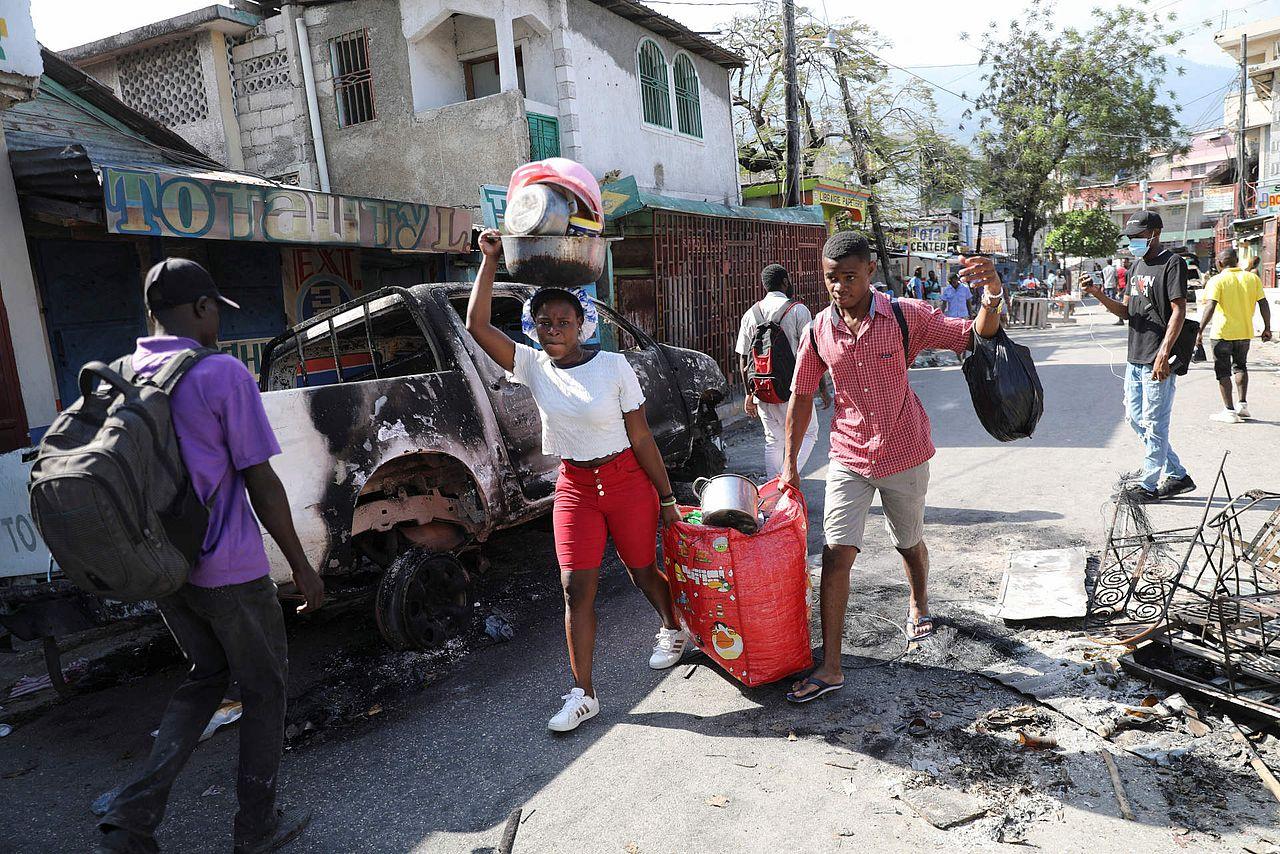
In a desperate bid to restore order amid escalating gang violence, Haiti has turned to controversial security entrepreneur Erik Prince, known for his close ties to former President Donald Trump. As the Caribbean nation grapples with rampant lawlessness and a humanitarian crisis, Prince’s involvement raises questions about the future of security in Haiti. This move signals a significant shift in the country’s approach to governance and security, as officials seek unconventional solutions to combat powerful criminal networks that have destabilized communities and overwhelmed local law enforcement. With the international community closely watching, Haiti’s reliance on private military solutions illustrates the urgent and complex challenges facing the nation today.
Haiti’s Escalating Crisis: The Rise of Gang Violence and Calls for External Intervention
The situation in Haiti has deteriorated rapidly, with gang violence surging to alarming levels across the nation. Citizens are living in fear as armed groups vie for control over territory, leading to rampant crime and instability. Humanitarian organizations report that basic services have become inaccessible, and the threat of violence looms large over daily life. Some key points illustrate this grim reality:
- Escalating Gang Activity: Gangs control over 80% of Port-au-Prince, blocking essential routes and resources.
- Impact on Civilians: Reports indicate a rise in kidnappings and violent assaults, targeting not just the wealthy but also vulnerable families.
- Government’s Inability to Respond: With limited resources and ongoing political turmoil, the Haitian government struggles to restore order or provide security.
In a surprising twist, former Blackwater founder Erik Prince has emerged as a potential key player in addressing Haiti’s crisis. Leaked discussions suggest that he is positioning himself to provide private security solutions aimed at curbing the violence, despite concerns over the implications of mercenary involvement in humanitarian crises. As Haiti weighs its options, external intervention-whether through private forces or multinational support-seems increasingly on the table. Insights into Prince’s proposals have raised both hope and skepticism:
| Pros | Cons |
|---|---|
| Rapid deployment of resources. | Potential for exacerbating violence. |
| Expertise in crisis management. | Lack of accountability and oversight. |
| Reduced burden on local law enforcement. | Ethical concerns regarding privatization of security. |
Erik Prince’s Controversial Partnership: Assessing the Implications for Haiti’s Stability
As Haiti grapples with rising violence and instability, the decision to engage Erik Prince-a controversial figure known for his connections to former President Donald Trump-has raised significant concerns among analysts and humanitarian organizations. Prince’s proposal to combat gang violence through private military solutions has sparked debates about the effectiveness of militarization in addressing the root causes of social unrest. Critics argue that relying on mercenaries could deepen the crisis, further entrenching armed groups rather than dismantling their influence over communities. Potential risks include:
- Escalation of Violence: Armed interventions may provoke retaliatory actions from gangs.
- Human Rights Concerns: History suggests that private military contractors often operate with little accountability.
- Distrust from Citizens: Haitians may view foreign intervention with skepticism, fearing loss of sovereignty.
Supporters of Prince’s involvement argue that his experience in conflict zones could bring a level of tactical efficacy that the local police have struggled to achieve. They point to the immediate need for stability, suggesting that without decisive action, Haiti could descend further into chaos. Assessing the implications of this partnership will require careful scrutiny of both the operational strategies employed and their impact on the social and political landscape. The following table outlines key considerations in evaluating the potential effects of this controversial alliance:
| Consideration | Implication |
|---|---|
| Community Safety | Could improve safety or exacerbate tensions. |
| International Relations | Potential backlash from foreign governments. |
| Local Governance | May undermine local institutions if overreliant on foreign forces. |
Path Forward for Haiti: Strategies for Sustainable Peace and Security Amid Foreign Influence
Amid escalating violence and the pervasive grip of gangs, Haiti faces a critical juncture that requires innovative strategies for restoring peace and security. Erik Prince, known for his controversial role in private military contracting, has emerged as a pivotal figure as external influences rally around the beleaguered nation. To navigate these turbulent waters, a comprehensive approach is essential, focusing on both immediate actions and long-term governance reforms. Key strategies include:
- Strengthening Local Institutions: Empowering local law enforcement and administrative bodies can foster resilience against crime.
- International Collaboration: Engaging with multilateral entities, such as the UN and OAS, to ensure a coordinated response to the security crisis.
- Community Engagement: Mobilizing civil society to promote dialogue among factions, reducing social tensions and fostering trust.
- Economic Development: Investing in job creation and sustainable initiatives to address the socio-economic root causes of gang proliferation.
In considering the viability of foreign interventions led by private contractors, it is imperative to critically assess their potential impacts on Haitian sovereignty and stability. Evaluating historical precedents can provide insight into both the benefits and pitfalls of external military presence. The following table summarizes key points for consideration:
| Factors | Advantages | Disadvantages |
|---|---|---|
| Stability | Quick response to threats | Risk of further militarization |
| Local Governance | Transfer of skills and resources | Potential undermining of local authority |
| Public Sentiment | Increased safety perception | Resistance from the populace |
Final Thoughts
In a nation grappling with escalating violence and political instability, Haiti’s decision to engage Erik Prince, a controversial figure with ties to former President Donald Trump, underscores the desperation of its situation. As gang violence continues to plague the streets of Port-au-Prince and beyond, the potential involvement of private military forces raises complex questions about the future of security and governance in the Caribbean nation. Critics warn of the risks associated with privatizing military efforts, while supporters argue that immediate action is necessary to restore order. As Haiti navigates these turbulent waters, the eyes of the world remain fixed on its choices, with implications that could extend far beyond its borders. The unfolding situation serves as a stark reminder of the challenges faced by nations in turmoil, as well as the often-contentious role of private power in addressing public crises.











