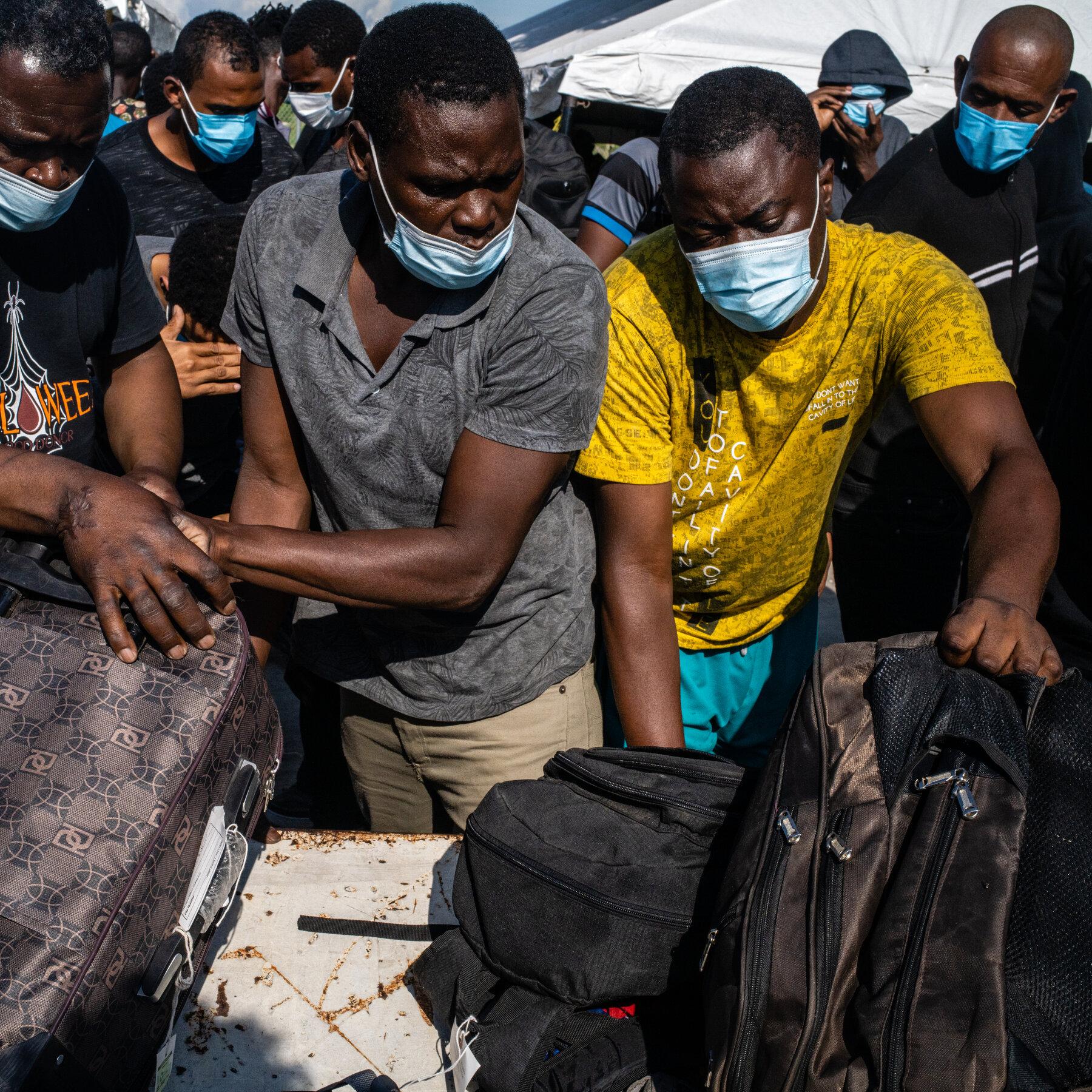
In a significant policy shift, the United States government has announced a deadline for the termination of Temporary Protected Status (TPS) for Haitian immigrants, a move that has sparked concern among advocates and affected communities. This decision comes amidst ongoing challenges in Haiti, including political instability, economic hardship, and a series of natural disasters, which have left many Haitians unable to return safely to their homeland. As the deadline approaches, discussions around the implications for thousands of Haitian families remain critical, with advocates urging for a reconsideration of the policy amid growing humanitarian needs. This article explores the background of TPS for Haitians, the government’s rationale for its cessation, and the potential impact on individuals and communities across the United States.
US Government Faces Criticism Over Deadline to End Temporary Protected Status for Haitian Immigrants
The Biden administration’s decision to establish a deadline for ending Temporary Protected Status (TPS) for Haitian immigrants has sparked significant backlash from activists and advocacy groups. Critics argue that this move comes at a time when Haiti is grappling with severe challenges, including political instability, widespread violence, and dire economic conditions. Many fear that forcing Haitian nationals to return to their homeland could expose them to life-threatening risks and exacerbate the already precarious situation on the ground. Activists highlight the moral and humanitarian imperatives to extend TPS, urging the government to reconsider its stance.
Supporters of TPS argue that the program was designed to provide safety and stability for individuals fleeing danger in their home countries. The impending deadline has prompted discussions surrounding the necessity of comprehensive immigration reform and the importance of compassionate policies to protect vulnerable populations. As the deadline approaches, various organizations are mobilizing efforts to lobby Congress and raise awareness about the plight of Haitian immigrants, emphasizing the United States’ role in providing refuge during times of crisis. The situation reflects broader concerns about immigration policy and the responsibilities of the U.S. government amid global humanitarian issues.
Impact on Haitian Communities: Navigating the Challenges Ahead
The recent decision to end Temporary Protected Status (TPS) for Haitian immigrants has sent ripples through Haitian communities across the United States. Many individuals who have relied on this status for safety and stability are suddenly faced with uncertainty about their legal residency. As deadlines approach, the fear of potential deportation and the upheaval it brings weigh heavily on families and individuals. The potential for losing TPS presents profound challenges, including:
- Financial Strain: Many Haitian immigrants support not only their immediate families but also relatives back in Haiti, who often depend on remittances.
- Emotional Turmoil: The stress of navigating legal uncertainty can affect mental health, leading to anxiety and depression.
- Community Cohesion: As families face separation, the fabric of the community risks fraying, impacting social support networks that have developed over the years.
Advocates argue that the ramifications extend beyond individual hardships, affecting local economies and social services. As TPS holders become more vulnerable, community organizations and local governments may need to mobilize resources to assist those impacted. To better understand the demographics impacted by this change, we can look at a breakdown of TPS holders in the U.S.:
| State | Estimated TPS Holders |
|---|---|
| Florida | 43,000 |
| New York | 29,000 |
| Massachusetts | 10,000 |
| Texas | 6,000 |
Call for Urgent Policy Reforms to Protect Vulnerable Populations in America
The recent announcement by the U.S. government to set a deadline for ending Temporary Protected Status (TPS) for Haitian immigrants has ignited a wave of concern among advocates and community leaders. With Haiti grappling with profound political instability, natural disasters, and humanitarian crises, the termination of TPS threatens the safety and well-being of thousands of individuals who have found refuge in the United States. Urgent policy reforms are necessary to ensure the protection of vulnerable populations, not just in light of this decision, but also to address the broader systemic issues that continue to disenfranchise immigrant communities across the nation.
To safeguard the rights and dignity of those affected, stakeholders must consider the following measures:
- Extension of TPS Designations: A continuation of TPS for Haitians and similar groups facing crisis situations is crucial to provide stability.
- Access to Legal Resources: Ensuring that immigrants can access the legal support they need to navigate the complexities of immigration law.
- Community Support Initiatives: Investment in local programs that assist in resettlement, employment, and mental health services.
A comprehensive approach is needed to amend the policies that place undue hardship on immigrants. The time is now for lawmakers to act decisively to mitigate the risks faced by those who have historically contributed to the socio-economic fabric of American society.
To Wrap It Up
In conclusion, the United States’ decision to terminate Temporary Protected Status (TPS) for Haitian immigrants marks a pivotal moment in the ongoing debate over immigration policy and humanitarian obligations. As thousands of families face uncertainty regarding their future, advocates are urging the Biden administration to reconsider its stance in light of Haiti’s precarious socio-political landscape and the enduring challenges posed by natural disasters. The impending deadline not only raises questions about the fate of affected individuals but also highlights the broader implications of U.S. immigration policy on vulnerable populations seeking refuge. As the situation develops, the voices of those impacted will remain crucial in shaping the dialogue surrounding TPS and the responsibilities of nations towards displaced individuals.