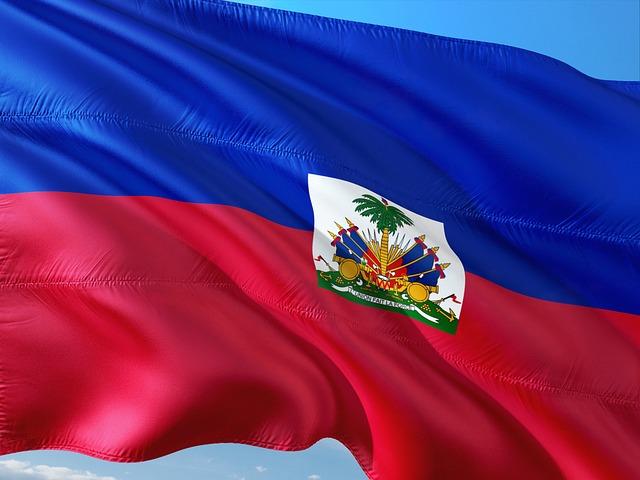
Explainer: Organized Crime and Gang Violence in Haiti – United Nations Office on Drugs & Crime
In recent years, Haiti has faced an unprecedented wave of violence, primarily driven by organized crime and gang activity that has plagued the nation. The United Nations Office on Drugs and Crime (UNODC) has sounded the alarm, highlighting the alarming escalation in gang-related conflicts that threaten the safety and stability of the already fragile Caribbean nation. As rival factions vie for control over lucrative territories and illicit markets, everyday citizens find themselves caught in the crossfire, leading to a humanitarian crisis marked by displacement and fear. This article delves into the current landscape of organized crime in Haiti, examining its complexities, the socio-economic factors fueling the violence, and the urgent call for international intervention and support to restore peace and security in a country yearning for stability.
Understanding the Rise of Organized Crime in Haiti’s Urban Landscape
The urban landscape of Haiti has become increasingly dominated by organized crime and gang violence in recent years, leading to a significant deterioration of public safety and security. This troubling trend can be attributed to several interrelated factors, including:
- Political Instability: Continuous political unrest has created a power vacuum, allowing gangs to fill the void left by weakened state institutions.
- Poverty and Inequality: High rates of poverty and lack of economic opportunities have made gang recruitment appealing to many disenfranchised youths.
- Corruption: Rampant corruption within law enforcement and government structures complicates efforts to combat gang activity.
The consequences of this escalating violence extend beyond immediate public safety concerns, affecting social cohesion and economic development. Cities like Port-au-Prince have witnessed:
- Increased Homicide Rates: Gang-related violence has contributed to a sharp rise in homicides, creating an environment of fear among the populace.
- Displacement: As gangs assert territorial control, many residents are forcibly displaced from their homes, leading to a humanitarian crisis.
- Economic Disruption: Businesses are struggling to operate in gang-controlled areas, resulting in a decline in investments and job opportunities.
The Impact of Gang Violence on Haitian Communities and Governance
Haiti’s relationship with gang violence is deeply intertwined with its socio-economic fabric and governance structures. The pervasive influence of gangs has resulted in a climate of fear, hindering local governance and perpetuating a cycle of lawlessness. Communities have become battlegrounds where rival gangs vie for territory, causing widespread displacement and disruption of daily life. Many residents live under the constant threat of violence, which has fostered a culture of silence and fear that makes community engagement and local governance increasingly difficult. Fear of retaliation often prevents citizens from reporting crimes, further eroding trust in already fragile state institutions.
Moreover, the impact of gang violence extends beyond immediate safety concerns; it undermines economic stability and public services. Key aspects include:
- Deteriorated Public Services: Schools and hospitals struggle to function amid insecurity, limiting access to education and healthcare.
- Economic Decline: Local businesses are intimidated into compliance or closure, leading to a marked decrease in employment opportunities.
- Corruption and Complicity: Gangs often form covert alliances with corrupt officials, complicating efforts for reform and accountability.
As outlined in recent reports, the gang-driven violence impedes democratic governance and exacerbates poverty, making it challenging for humanitarian organizations to operate effectively. Understanding these dynamics is crucial for any attempt at rebuilding governance structures in Haiti.
Addressing the Crisis: Recommended Actions for the International Community
The escalating violence and influence of organized crime in Haiti have called for urgent and coordinated efforts from the international community. It is critical for global stakeholders to engage in a multi-faceted approach to restore stability and promote sustainable development in the region. Key recommendations include:
- Enhancing Security Support: Provide comprehensive assistance to the Haitian National Police, equipping them with the necessary resources and training to effectively combat gang activities.
- Strengthening Judicial Systems: Work towards reforming the judiciary to ensure greater accountability and the effective prosecution of individuals involved in organized crime.
- Community Engagement Programs: Invest in grassroots initiatives that foster community resilience, offering alternative livelihoods to at-risk youth to deter them from gang involvement.
- International Cooperation: Collaborate with regional organizations to share intelligence and best practices in fighting organized crime.
Moreover, a robust humanitarian response must be prioritized to address the immediate needs of the population affected by violence and displacement. This can be facilitated through:
| Action | Objective |
|---|---|
| Emergency Aid Distribution | Provide food, water, and medical assistance to vulnerable communities. |
| Mental Health Support | Implement programs to address trauma related to violence. |
| Infrastructure Repair | Rebuild schools and health facilities destroyed by violence. |
In Retrospect
In conclusion, the escalating threat of organized crime and gang violence in Haiti poses a multifaceted challenge that demands urgent international attention. As the United Nations Office on Drugs and Crime highlights, the complex interplay between socioeconomic instability, political unrest, and the proliferation of armed groups has created a perilous environment for civilians and undermined the rule of law. Addressing this crisis requires a coordinated response that includes bolstering law enforcement, enhancing community resilience, and promoting sustainable development initiatives. As the situation continues to evolve, understanding the dynamics of Haiti’s organized crime landscape will be crucial for stakeholders striving to restore stability and safeguard the future of the nation. The road ahead is fraught with obstacles, but with concerted efforts, there remains hope for a more peaceful and secure Haiti.