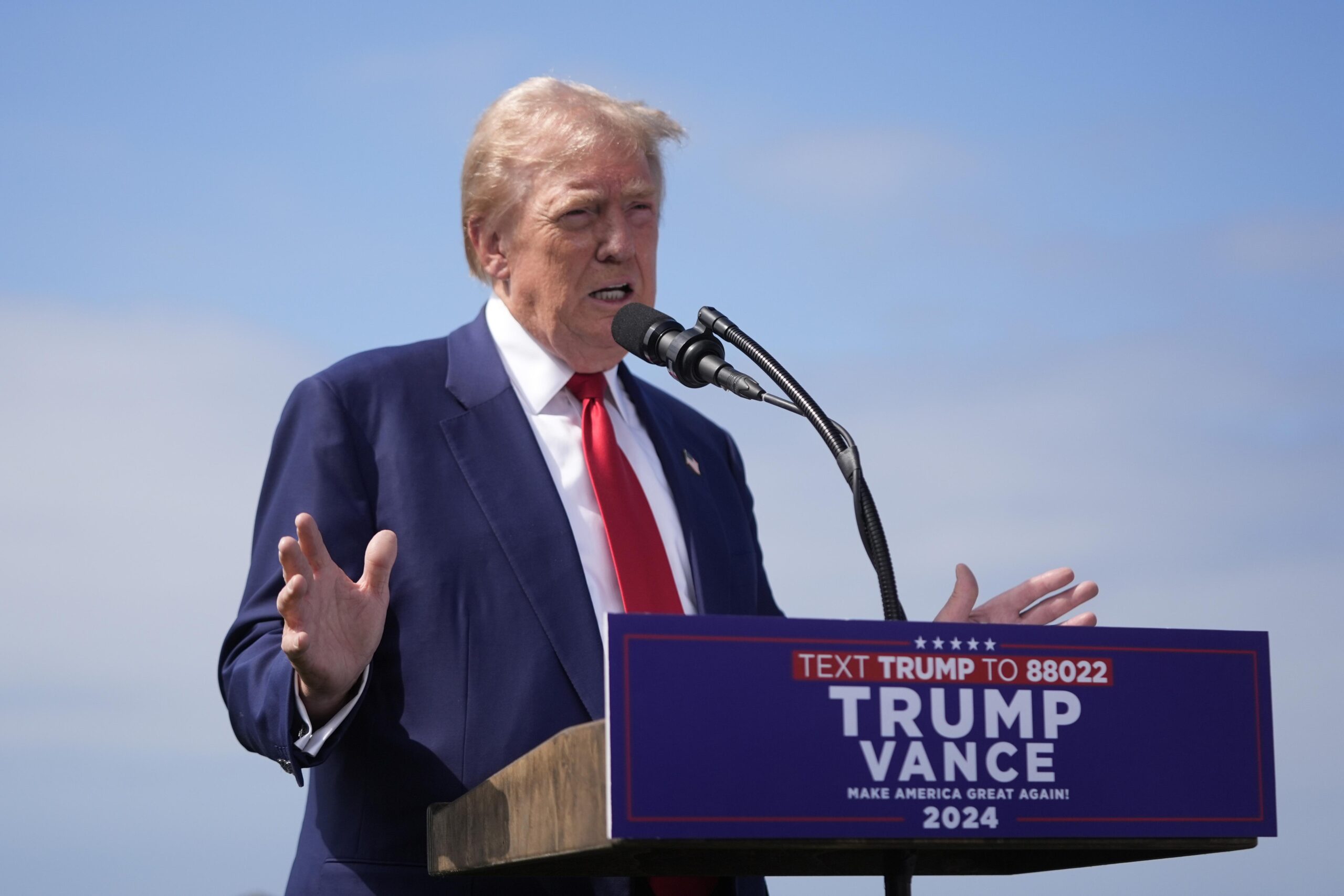
In recent years, the rhetoric surrounding U.S. immigration policy has often illuminated deeper societal issues, revealing entrenched biases and prejudices that have persisted for generations. A particularly striking example emerged from former President Donald Trump, whose remarks regarding Haiti encapsulate a long history of American racism toward this Caribbean nation and its people. Analyzing Trump’s statements not only sheds light on his political strategy but also underscores a broader narrative of how Haiti has been viewed through a lens of discrimination and disdain. This article delves into the historical context of anti-Haitian sentiment in the United States, exploring the implications of such rhetoric and its roots in a legacy of systemic racism that continues to affect perceptions of Haiti and its diaspora today.
Trump’s Rhetoric and Its Roots in Historical Anti-Haitian Sentiment
Trump’s inflammatory remarks about Haiti tap into a long history of negative stereotypes and discriminatory attitudes that have plagued perceptions of the country and its people. Rooted in the racialized politics of the early 19th century, these sentiments often portray Haiti as a land of chaos and poverty, ignoring the resilience and contributions of its citizens. Historical events, such as the U.S. occupation of Haiti from 1915 to 1934, further cemented these stereotypes, as American military and political interventions often depicted Haitians as incapable of self-governance. This rhetoric continued into contemporary discourse, where economic struggles and political instability are frequently attributed to perceived innate deficiencies rather than a legacy of exploitation and external interference.
The consequences of such rhetoric are tangible, affecting not just public perception but also policies toward Haitian migrants and immigrants. The underlying biases manifest in a variety of ways, including:
- Disproportionate scrutiny of Haitian asylum seekers compared to migrants from other countries
- Barriers to aid and assistance from international communities
- Normalization of racial stereotypes in media and politics
Such exclusionary attitudes underscore a larger systemic issue, perpetuating a cycle of discrimination that has roots in colonialism and continues to impact Haiti’s global standing. When national leaders employ derogatory terminology, they not only validate these harmful stereotypes but also reinforce a narrative that dehumanizes an entire nation and its populace.
The Impact of Racism on U.S.-Haiti Relations and Policy Decisions
Racism has played a significant role in shaping the U.S.-Haiti relationship throughout history. The longstanding stereotypes and prejudices towards Haiti and its people have influenced American foreign policy and public perception. Often viewed through a limited lens, Haiti is frequently mischaracterized as a nation plagued by incompetence and corruption, which is a reflection of systemic racism rather than the realities faced by its citizens. Trump’s derogatory remarks about Haitian immigrants echo this historical narrative, reinforcing negative stereotypes and undermining Haiti’s contributions to both regional stability and American culture.
This damaging rhetoric not only affects the humanitarian perspective but also informs policy decisions affecting Haiti. U.S. policies have often disregarded the socio-economic challenges facing the nation, focusing instead on punitive measures that exacerbate existing conditions. The impact can be summarized in several points:
- Economic Disparities: Trade policies that favor U.S. interests over Haitian growth.
- Diplomatic Isolation: Hesitancy in acknowledging Haiti’s sovereignty and needs during crises.
- Migration Policies: Harsh treatment of Haitian migrants reflective of broader racial biases.
These elements underscore how deeply embedded racial attitudes can skew not only international relations but also the effectiveness of U.S. policy towards nations like Haiti. A comprehensive understanding of these dynamics is essential for creating equitable and effective foreign policy.
Moving Forward: Recommendations for Addressing Systemic Racism Against Haiti
To dismantle the entrenched systemic racism targeting Haiti, it is crucial to implement comprehensive strategies that elevate Haitian voices and foster understanding. Community engagement must be prioritized, empowering organizations led by Haitians to address local needs and amplify cultural narratives. This can be achieved through:
- Investment in Haitian education that includes accurate historical accounts of Haiti’s contributions and struggles.
- Collaborative art and cultural exhibitions that celebrate Haitian heritage and challenge stereotypes.
- Media literacy programs designed to help individuals critically assess portrayals of Haiti in news and popular culture.
Furthermore, policymakers must actively confront discriminatory practices at institutional levels. This requires the establishment of frameworks that promote equity and inclusivity while holding institutions accountable. Measures may include:
- Legislative reforms to prevent discriminatory policies affecting Haitians in immigration and social services.
- Increased representation of Haitians in local and national government positions to ensure their interests are prioritized.
- Regular assessments of racial disparities in areas such as health care, employment, and education impacting Haitian communities.
Wrapping Up
In conclusion, Donald Trump’s anti-Haitian rhetoric is not merely an isolated incident; it underscores a deeper, systemic issue rooted in America’s historical attitudes towards Haiti and its people. The derogatory language used by political figures can significantly contribute to the perpetuation of damaging stereotypes and misinformation, reflecting a broader pattern of racism that has persisted for generations. As the conversation around immigration, race, and identity continues to evolve, it is imperative to critically examine the implications of such rhetoric, not only for the Haitian community but for the societal fabric of the United States as a whole. Understanding the historical context behind these sentiments is essential if we are to foster a more inclusive discourse and move towards dismantling the prejudices that have long shaped perceptions of Haiti and its diaspora.