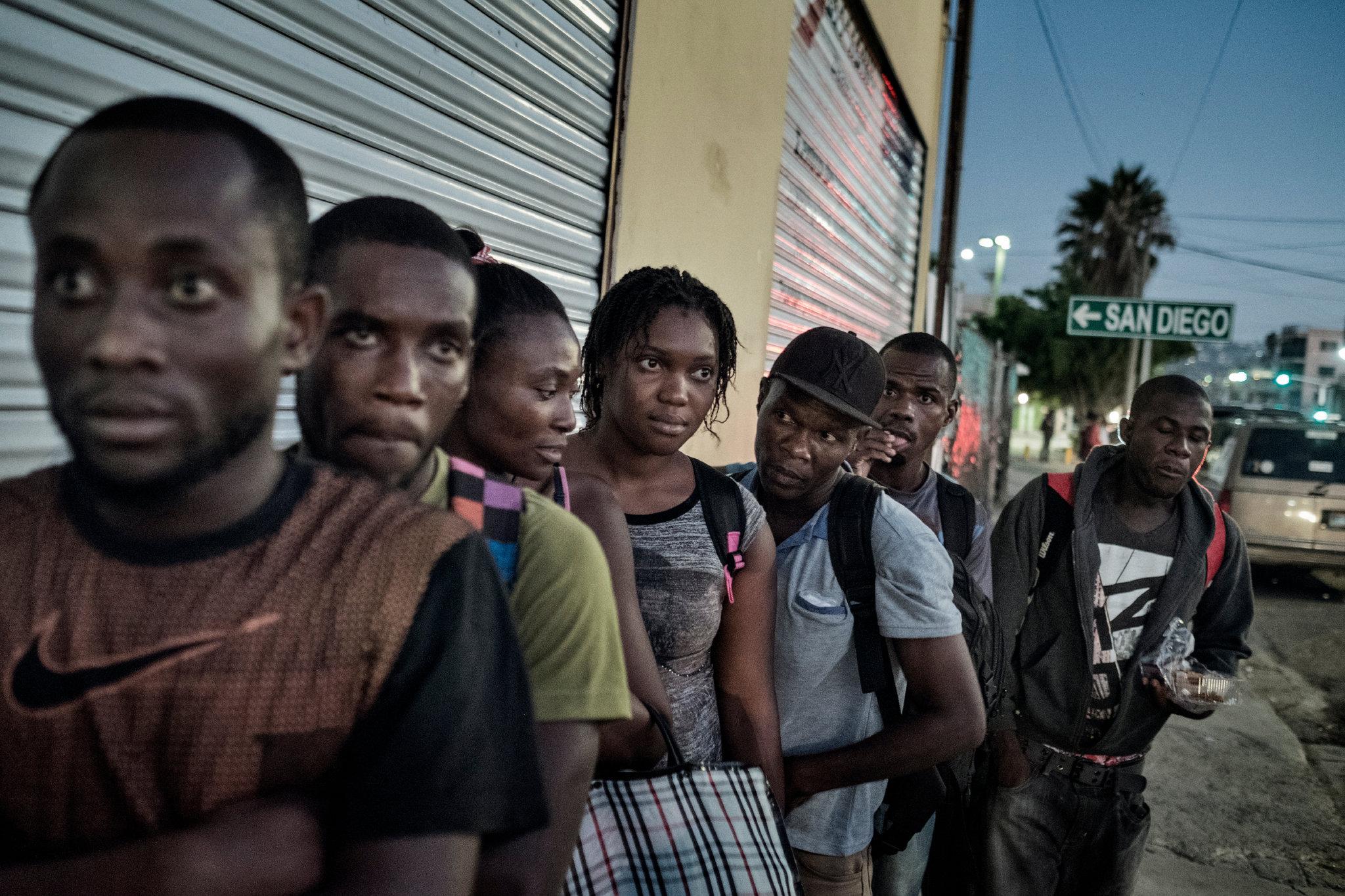
In a contentious political landscape where immigration policies are frequently under scrutiny, the termination of Temporary Protected Status (TPS) for Haitians has emerged as a critical issue. As former President Donald Trump moves forward with plans to end TPS, many Haitians residing in the United States face the horrifying prospect of returning to a homeland still grappling with the devastating effects of natural disasters, economic instability, and ongoing violence. Advocates and affected individuals warn that such a return would not only compromise their safety but could also prove to be a “death sentence.” This article delves into the implications of this policy change, highlighting personal stories and expert opinions that underscore the urgent humanitarian crises in Haiti.
Concerns Over Safety and Stability as TPS Ends for Haitians
The imminent termination of Temporary Protected Status (TPS) for Haitian nationals has ignited widespread fears regarding safety and stability in a country grappling with profound crises. Many Haitians currently residing in the United States are voicing their apprehensions that returning home would expose them to violence, instability, and economic hardship. Following a devastating earthquake in 2010, TPS was granted to protect those fleeing the dire aftermath. However, the conditions in Haiti have not improved; rather, they have deteriorated, with escalating gang violence and political turmoil contributing to a climate of fear. Interviewed individuals expressed sentiments that the end of TPS essentially equates to a ‘death sentence’ as the social fabric of their homeland continues to unravel.
Advocates for the Haitian community are raising alarms about the potential human rights violations that may arise if deportations proceed. They emphasize that the *root causes* of migration must be considered, particularly as many returnees face the brunt of violent crime, including kidnappings. The situation is compounded by adverse economic conditions, with a significant segment of the population living in poverty. As such, concerns have been voiced regarding the adequacy of support for returning individuals. Key aspects of the current crisis include:
- Increased gang violence: A spike in armed conflicts and kidnappings threatens the safety of citizens.
- Political instability: Ongoing disputes have led to a lack of effective governance.
- Poverty: High unemployment rates and economic disenfranchisement exacerbate living conditions.
The Humanitarian Crisis in Haiti: Urgency for International Assistance
The decision to terminate Temporary Protected Status (TPS) for Haitians has raised urgent concerns about the dire conditions facing the Caribbean nation. Many experts and humanitarian organizations believe that sending back individuals to Haiti under the current circumstances could have catastrophic consequences. With ongoing political instability, rampant violence, and a crumbling infrastructure, the likelihood of a safe return seems implausible. Activists emphasize that the alarming surge in gang-related violence and a lack of basic resources underscore the perilous situation that awaits returnees.
According to reports, the following factors contribute to the heightened risk for Haitians:
- Widespread Violence: Gangs control many areas, leading to displacement and loss of life.
- Poverty Levels: Over 60% of the population is estimated to live below the poverty line.
- Health Crisis: Access to healthcare is severely limited, exacerbated by recent outbreaks of cholera.
- Lack of Infrastructure: Many regions are in disrepair, hindering access to basic necessities such as clean water and food.
| Key Statistics | Current Situation |
|---|---|
| Displaced Individuals | Over 5 million |
| Cholera Cases in 2023 | Over 25,000 |
| Children Out of School | Over 1 million |
The urgency for international assistance is palpable, as myriad organizations call for intervention. They argue that the global community must step in to provide not only humanitarian aid but also a renewed commitment to stability in Haiti. Failure to act risks pushing an already vulnerable population into further despair, perpetuating a cycle of violence and suffering that could resonate for generations.
Navigating the Futures of Haitian Families: Policy Recommendations and Support Systems
As the termination of Temporary Protected Status (TPS) for Haitians looms, the urgency for a robust framework to support these families has never been more critical. Many Haitians currently living in the United States have shared harrowing accounts of the violent instability and dire socio-economic conditions that await them if forced to return. Policymakers need to recognize the unique challenges faced by Haitian families and prioritize their needs in upcoming legislation. To that end, the following recommendations are essential:
- Continued Legal Protections: Extension of TPS or a pathway to permanent residency to ensure stability for families.
- Community-Based Support: Establishment of local support networks and resources that focus on mental health, education, and employment.
- International Aid Coordination: Foster partnerships with NGOs to create sustainable development programs in Haiti that address root causes of migration.
Moreover, it is imperative to implement comprehensive support systems that facilitate the transition for Haitian families facing the reality of return. Proactive measures, such as pre-departure counseling and reintegration assistance, can significantly ease the transition. Federal and state governments should collaborate with community organizations to create targeted programs that include:
| Support Type | Description |
|---|---|
| Housing Assistance | Help in finding safe and stable housing upon return. |
| Job Placement Services | Assistance in securing employment opportunities in Haiti. |
| Healthcare Access | Facilitation of medical care and health resources. |
By addressing these recommendations and establishing robust support systems, stakeholders can help Haitian families navigate this turbulent period with dignity and hope for a better future.
In Summary
As the Trump administration moves to terminate Temporary Protected Status (TPS) for Haitians, many individuals face an uncertain and perilous future. The decision is met with widespread concern from advocates and affected communities who argue that returning to Haiti is dangerously untenable due to ongoing political instability, economic hardship, and the aftermath of natural disasters. For those under TPS, the impending end of this protection raises urgent questions about safety, stability, and the right to stay in the country they have called home for years. As the situation develops, it remains critical for policymakers to consider the lived realities of those affected, and the implications of their decisions on human lives and humanitarian obligations. The voices of Haitians highlighting their fears resonate as a haunting reminder of the complexities surrounding immigration policy and the responsibilities that come with it.