
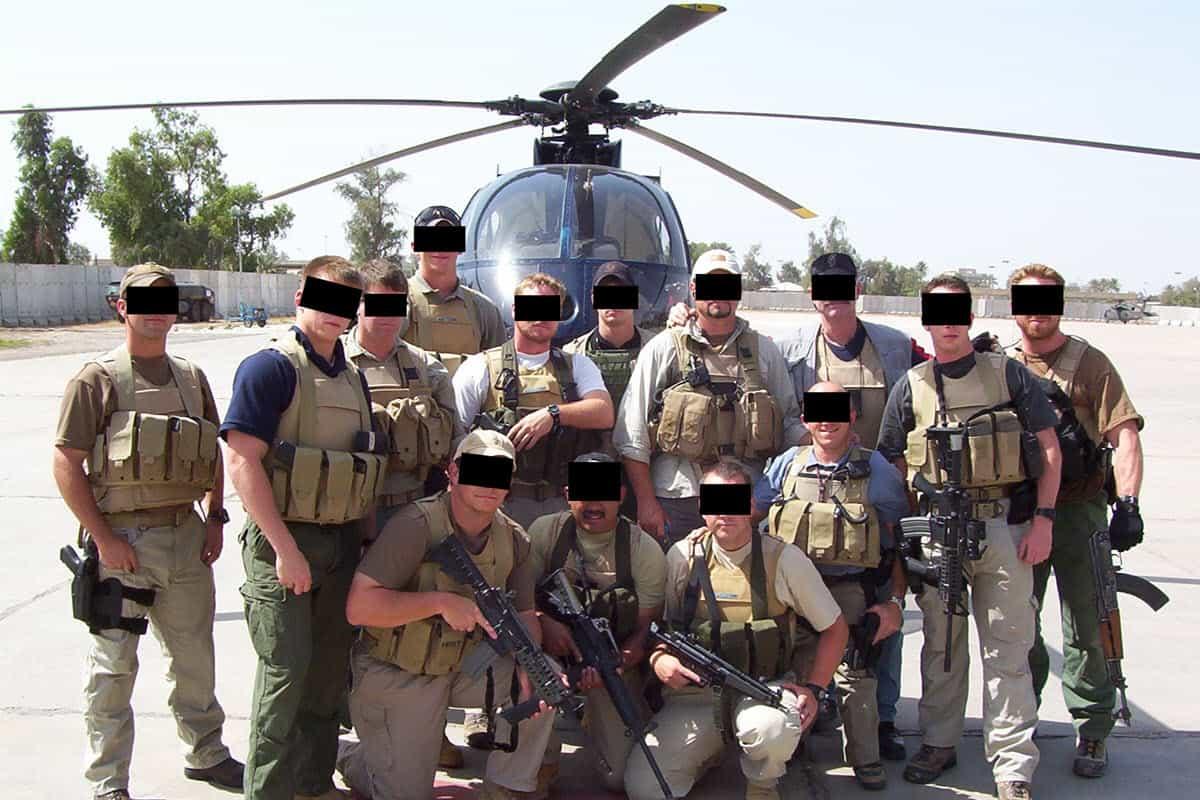
In a controversial move that has ignited intense debate over foreign intervention in crisis zones, Erik Prince, the founder of the infamous security firm Blackwater, has announced plans to deploy hundreds of operatives to Haiti amid escalating violence and political instability. Known for his history in privatized military operations, Prince’s intentions come as the Caribbean nation grapples with a humanitarian crisis exacerbated by gang conflicts and a lack of effective governance. This decision raises critical questions about the role of private military companies in international affairs and their implications for Haiti’s future. As the situation unfolds, analysts warn that the involvement of mercenary forces could further complicate efforts to restore order and stability in a country already facing profound challenges.
Blackwater’s Erik Prince Plans Deployment of Private Fighters to Haiti Amid Escalating Violence
In a bold move reflecting the dire situation in Haiti, Erik Prince, the founder of Blackwater, has announced plans to deploy a contingent of private security personnel to the Caribbean nation. The decision comes amidst a surge in violence and instability, with gangs taking control of significant areas and causing widespread fear among residents. Reports indicate that the security detail may consist of several hundred highly trained fighters, aimed at restoring order and bolstering security in the most affected regions.
The operation comes at a critical time when the Haitian government struggles to regain control over its territory. Key factors driving this initiative include:
- Escalating Gang Violence: The nation has seen a dramatic increase in gang-related crimes, leading to civilian casualties and displacement.
- Humanitarian Crisis: The ongoing instability has created dire humanitarian conditions, with many citizens lacking access to basic necessities.
- International Response: Despite calls for intervention, many nations remain hesitant, leaving a security vacuum that private entities like Prince’s company are eager to fill.
While some view this deployment as a potential solution, others express concern about the implications of employing private military contractors in regions experiencing complex social and political challenges, questioning the ethics and effectiveness of such interventions.
Exploring the Implications of Armed Intervention in Haiti’s Ongoing Crisis
The recent decision by Erik Prince, founder of Blackwater, to deploy hundreds of fighters to Haiti has raised significant concerns regarding the implications of foreign armed intervention in the nation’s enduring crisis. With escalating violence among gangs and a vacuum of effective governance, this move may escalate tensions further, leading to a precarious situation for both local populations and foreign troops. Discussions within international circles suggest that while the intent may be to restore order, the involvement of private military contractors could exacerbate the instability rather than provide a sustainable solution.
Critics argue that such interventions often overlook the underlying issues contributing to Haiti’s turmoil. The potential consequences include:
- Escalation of Violence: The presence of armed foreign fighters may provoke retaliatory actions from gangs.
- Undermining Local Authority: The deployment may displace government efforts to regain control, further undermining trust in public institutions.
- Dependency on Military Solutions: Reliance on private forces can create a cycle of dependency, delaying necessary political and social reforms.
As the situation unfolds, it will be crucial for policymakers to examine the broader impacts of such military involvement, ensuring that the focus remains on fostering a stable and democratic environment rather than merely addressing the symptoms of the crisis through armed force.
Assessing the Role of Private Military Contractors in Humanitarian Efforts and Security Solutions
The deployment of private military contractors (PMCs) by individuals such as Erik Prince, founder of Blackwater, highlights a complex intersection between security and humanitarian efforts in crisis zones like Haiti. With the nation grappling with political instability and rampant violence, the decision to send hundreds of fighters underscores the increasing reliance on the private sector to provide solutions that traditional humanitarian organizations may be unable to manage alone. This approach raises significant questions about the accountability, effectiveness, and ethical implications of employing private forces in environments traditionally served by non-governmental organizations (NGOs).
Critics argue that the introduction of PMCs can exacerbate tensions in already volatile areas, as their motivations may not align with humanitarian principles. They emphasize concerns regarding the rules of engagement, potential for human rights violations, and the lack of oversight that often accompanies private contracts. Furthermore, it challenges the narrative surrounding humanitarian aid, where the presence of armed contractors could lead to a reliance on militarized solutions rather than addressing the root causes of crises. This dynamic necessitates a thorough examination of the impact of PMCs on local populations, as questions of security, sovereignty, and ethics loom large in the debate over their role in humanitarian contexts.
Concluding Remarks
In conclusion, Erik Prince’s controversial plan to deploy hundreds of fighters to Haiti amid the ongoing turmoil has reignited discussions surrounding private military contractors and their role in international conflicts. As Haiti grapples with escalating violence and political instability, the implications of this potential intervention remain uncertain. Critics warn that the involvement of private mercenaries could exacerbate the situation rather than provide solutions, while proponents argue it may offer a much-needed stabilizing force. As the situation unfolds, the world will be watching closely to see how this latest development impacts Haiti’s path toward recovery and peace. The complexities of foreign intervention, local sovereignty, and the repercussions of militarization will undoubtedly continue to resonate in the discourse surrounding Haiti’s future.











