Haiti’s Crisis: The Imperative for Global Action
As Haiti faces an imminent crisis marked by escalating violence and political turmoil, the need for a robust response from the international community, especially the United States, has reached a critical juncture. This Caribbean nation has long struggled with economic hardships and governance issues, but recent spikes in gang activity, civil unrest, and humanitarian emergencies threaten to dismantle any remaining stability.The implications of this situation extend beyond Haiti itself; they pose significant risks to regional security and U.S. interests. This article examines Haiti’s current predicament while highlighting the consequences of inaction and exploring potential avenues for U.S. engagement before it becomes too late.
The Urgent Call for Global Intervention in Haiti
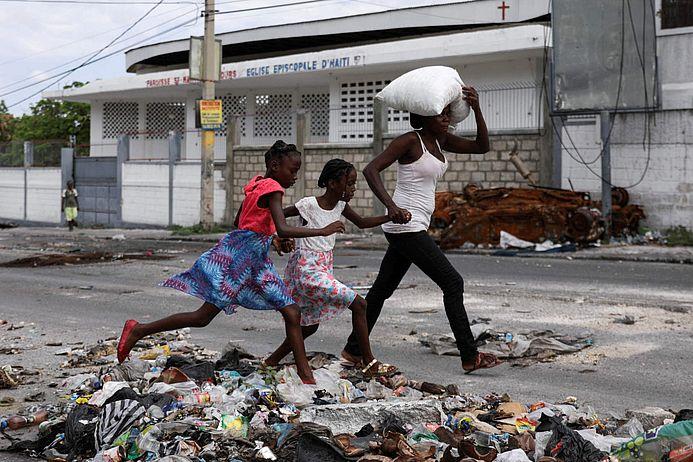
The intensifying chaos in Haiti is giving rise to a severe humanitarian crisis that could spiral further without prompt international intervention. With rampant gang control, political disarray, and deteriorating infrastructure, Haitians are confronting unprecedented challenges daily. Essential services have collapsed entirely—many citizens lack access to clean water, healthcare facilities are overwhelmed or non-existent, and food shortages are rampant. Families are being forced from their homes at alarming rates due to violence and instability.
- Gang Control: Armed groups dominate numerous neighborhoods across the country, making everyday life increasingly risky.
- Poverty Surge: Approximately 60% of Haitians now live below the poverty threshold.
- Crumbling Healthcare System: Hospitals struggle with shortages of essential supplies which severely affects maternal health outcomes.
If decisive measures aren’t taken soon, this humanitarian catastrophe will only worsen. Regional nations alongside global powers must prioritize a unified response that encompasses immediate relief as well as strategies aimed at long-term stability. One viable approach could involve deploying an international peacekeeping force dedicated to restoring order while also supporting local law enforcement efforts and facilitating dialog among conflicting factions. A structured plan might include:
| Action Item | Description |
|---|---|
| Deploy Peacekeeping Troops | Create safe zones for civilians while stabilizing key areas. |
| Provide Humanitarian Aid | Supply immediate assistance including food distribution and medical care. |
Tackling Root Causes: A Strategic Approach for U.S Engagement
The ongoing turmoil in Haiti is not solely due to recent socio-political upheavals; it stems from deep-seated systemic issues that necessitate a extensive strategy from the United States aimed at addressing these root causes of instability:
- Poverty Reduction: Implementing economic initiatives focused on job creation can uplift impoverished communities through sustainable development projects.
- Institutional Strengthening: Assisting in building reliable governance structures capable of providing effective leadership is crucial for stability.
- Securities Support: Enhancing resources available to police forces can help restore public safety amidst rising crime rates.
- Evolving Education & Healthcare Systems:</strong Investing considerably into educational programs along with healthcare services will improve living standards while nurturing future generations capable of leading change.
A collaborative approach involving local leaders is vital for ensuring these interventions yield positive results; establishing clear lines of accountability among stakeholders enhances openness within U.S efforts:
| Stakeholder | Role | Proposed Action | |
|---|---|---|---|
| Local Authorities | Policy Implementation | Develop inclusive governance frameworks   | |
| Non-Governmental Organizations (NGOs)   | On-ground support   | Facilitate aid distribution along with community programs   | |
| Community Leaders   | Mobilization efforts   | Add local buy-in through participation   | |
|
U.S Government |
Resource Allocation |
Channel financial aid alongside expertise |
Creating a Sustainable Future: Long-Term Solutions & Support Strategies
A sustainable future hinges on adopting multifaceted approaches by both national governments globally—especially by America—to address underlying factors contributing towards instability within Haitian society effectively . First , supporting grassroots movements empowers locals enabling them tackle social ,economic,and political hurdles head-on . Investments directed towards education ,healthcare,and infrastructure directly influence quality-of-life improvements whilst creating new opportunities economically . Furthermore , establishing long-lasting trade partnerships focusing on fair practices coupled with sustainable agricultural methods encourages self-recovery reducing dependency upon foreign assistance .
Moreover strengthening rule-of-law mechanisms remains paramount ensuring lasting peace prevails throughout Haitian territory . Collaborating closely alongside Haitian officials provides necessary training/resources enhancing law enforcement/judicial systems promoting transparency/accountability amongst institutions involved . Additionally forming multinational coalitions would facilitate navigating complex political landscapes emphasizing inclusive dialogues between various stakeholders involved fostering unity moving forward together collaboratively respecting cultural nuances/needs whilst achieving measurable success outcomes over time .
Conclusion: The Time For Action Is Now!
As conditions worsen across Haiti’s landscape urgency surrounding effective responses grows clearer than ever before! With increasing violence coupled alongside dire humanitarian crises compounded by ineffective governance structures present-day realities demand swift action! International actors—including notably US involvement—must mobilize quickly alleviating suffering experienced daily amongst countless individuals residing there stabilizing entire region overall! Failure here jeopardizes not just futures held dear but poses significant threats against broader regional security interests too! As we stand poised upon brink collapse call-to-action resonates louder than ever—it’s time intervene decisively before prospect slips away!