In recent years, Haiti has found itself ensnared in a web of political instability and escalating criminal violence, a crisis that demands urgent attention both domestically and internationally. The Caribbean nation, once a symbol of revolutionary spirit and resilience, now faces dire challenges as gang activity surges and governance becomes increasingly tenuous. With the assassination of President Jovenel Moïse in 2021 marking a devastating turning point, Haiti’s social fabric has continued to unravel, leading to a humanitarian crisis that affects millions. The situation is compounded by a lack of effective governance, widespread poverty, and a continual struggle for power among rival factions. As international observers raise alarms over Haiti’s trajectory, the urgency for comprehensive intervention becomes ever more pressing. This article explores the depth of the political and criminal crisis in Haiti, arguing that the international community cannot afford to turn a blind eye to the implications of a failed state in the heart of the Caribbean.
Haiti’s Escalating Violence Calls for Urgent International Attention
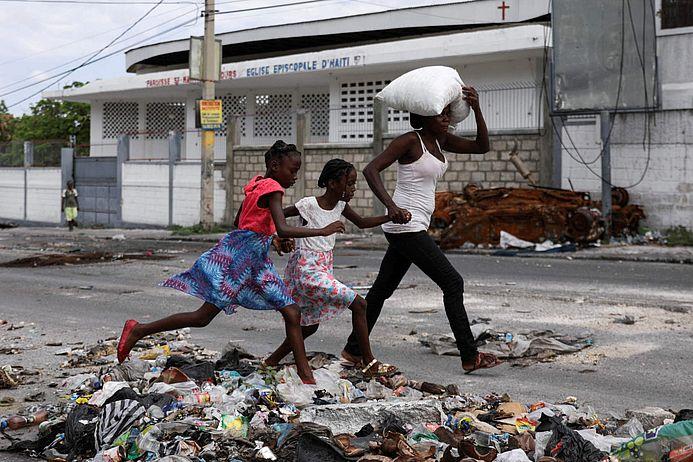
The recent surge in violence across Haiti underscores a dire humanitarian and security crisis that cannot be overlooked. Armed gangs have gained a stronger foothold, committing acts of brutality against civilians, disrupting daily life, and impeding essential services. The situation has led to a staggering increase in displacement, with thousands seeking refuge away from their homes. Key factors contributing to this escalation include:
- Power Vacuums: The absence of a stable government has left communities exposed to criminal elements.
- Economic Despair: Rising poverty rates and unemployment are driving individuals toward gang affiliation for survival.
- Lack of International Support: Insufficient intervention and resources from the global community have allowed the violence to fester.
Human rights organizations have reported alarming statistics, revealing that the number of homicides and kidnappings has soared in recent months. The need for a concerted international response has never been more urgent. Potential measures that could be undertaken include:
| Response Measure | Potential Impact |
|---|---|
| Increased Humanitarian Aid | Support for affected communities and restoration of services |
| International Security Assistance | Stabilization efforts to reclaim control from gangs |
| Dialogue Initiatives | Encouraging political negotiations and rebuilding governance |
Addressing the Root Causes of Political Instability in Haiti
The ongoing political instability in Haiti is rooted in a complex interplay of historical injustices, socioeconomic disparities, and a lack of effective governance. Corruption at various levels of government has eroded public trust, while weak institutions struggle to maintain order and provide basic services. As a result, many Haitians have turned to non-state actors for protection and basic needs, further exacerbating the cycle of violence and mistrust in the official state apparatus. Adding to this turmoil, the historical exploitation by foreign powers has created a pervasive sense of resentment and disenfranchisement among the populace.
To understand and combat these issues, stakeholders must prioritize the following fundamental aspects:
- Strengthening Governance: Establishing transparent, accountable institutions to rebuild trust.
- Promoting Economic Opportunities: Providing support for local businesses and job creation initiatives to combat poverty.
- Addressing Security Needs: Engaging communities in developing localized solutions to restore public safety.
- Fostering Civic Engagement: Encouraging citizen participation in the political process to empower communities.
| Root Cause | Impact | Potential Solution |
|---|---|---|
| Corruption | Erosion of trust in government | Implementation of accountability measures |
| Poverty | Increased crime and unrest | Job creation programs |
| Weak institutions | Lack of public services | Strengthening civil society |
Strategies for Rebuilding Governance and Restoring Order in Haiti
Efforts to restore governance and order in Haiti must prioritize inclusive political dialogue and local empowerment. The international community can play a crucial role by facilitating roundtable discussions among local stakeholders, including civil society organizations, political factions, and marginalized groups. It’s essential to create safe spaces for dialogue that encourages collective decision-making, establishing a social contract that reflects the hopes and needs of the Haitian people. Key strategies may include:
- Establishing interim governance frameworks that allow for immediate response to security concerns.
- Decentralizing power to local governments to foster community-led initiatives.
- Strengthening the rule of law by reforming the judiciary and law enforcement agencies.
Moreover, restoring public trust requires an emphasis on transparency and accountability. International support should be aimed at rebuilding institutions while also integrating anti-corruption measures that enhance the legitimacy of governance. Efforts to improve economic conditions through job creation and social services are imperative. Collaborative initiatives might involve:
- Public-private partnerships to stimulate local economies.
- Investment in education and vocational training to empower the youth.
- Community policing strategies to rebuild trust between law enforcement and citizens.
The Way Forward
As Haiti grapples with escalating political turmoil and a surge in violence, the international community cannot afford to turn a blind eye to the situation. The intersection of governance failure, rampant criminal activity, and humanitarian distress threatens not only the stability of the nation but also the broader Caribbean region. The calls for intervention-whether through humanitarian aid, diplomatic engagement, or peacekeeping missions-must be taken seriously. Addressing Haiti’s challenge is not just an act of solidarity; it is a crucial step toward restoring hope and order in a country that has long faced adversity. The crisis in Haiti underscores the need for a coordinated response that prioritizes the voices of Haitians, supports grassroots movements, and fosters sustainable political solutions. Only through comprehensive action can the cycle of instability be broken, and a brighter future envisioned for the Haitian people. As the world watches, the stakes have never been higher.