
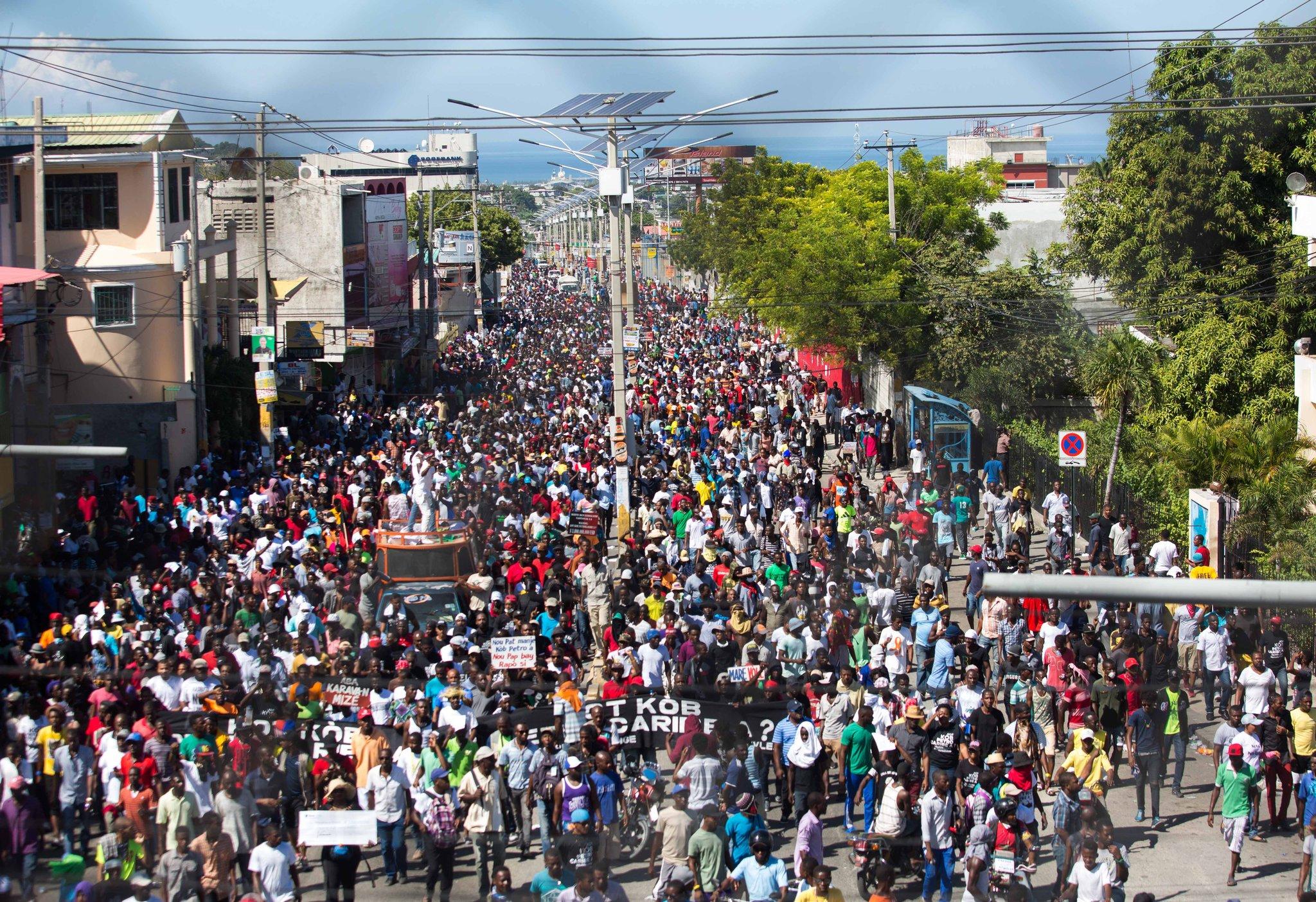
Haiti’s Instability and Its Effect on U.S. Security: A Growing Concern
As political turmoil and civil unrest continue to grip Haiti, the implications of the Caribbean nation’s instability extend far beyond its borders, increasingly threatening the security of the United States. Over the past few years, Haiti has faced a myriad of challenges, including rampant gang violence, economic collapse, and a deteriorating humanitarian situation. These issues have not only destabilized the already fragile government but have also ushered in a wave of migration and security concerns that resonate deeply within U.S. policy circles. In this article, we will explore the multifaceted impact of Haiti’s unrest on American national security, examining how the crisis has prompted heightened scrutiny from defense analysts and policymakers alike. As regional instability grows, understanding the links between Haiti’s challenges and U.S. security is more critical than ever.
Haiti’s Political Turmoil and Its Implications for U.S. National Security
The ongoing political instability in Haiti poses a multifaceted threat to U.S. national security, driven by a combination of weak governance, rampant gang violence, and humanitarian crises. The breakdown of authority following the assassination of President Jovenel Moïse in July 2021 has left a power vacuum that has been eagerly filled by various armed groups, further complicating an already fragile socio-political landscape. The proliferation of gangs has led to increased violence, resulting in a significant displacement of civilians and straining the resources of neighboring countries, which in turn could lead to larger regional instability.
This precarious situation has several implications for the United States, requiring a proactive stance to mitigate potential crises. Key concerns include:
- Increased Migration: Rising violence and poor living conditions are likely to drive more Haitians to seek refuge in the U.S., straining immigration resources.
- Humanitarian Challenges: A lack of stable governance hampers aid delivery, increasing the risk of widespread famine and health crises.
- Influence of External Actors: Other nations, including China and Russia, might seek to exploit Haiti’s vulnerabilities to increase their geopolitical influence in the Caribbean.
Table 1: Summary of Key Indicators in Haiti’s Current Situation
| Indicator | Status |
|---|---|
| Political Stability | High Tension |
| Gang Violence | Escalating |
| Displacement of People | Rising Numbers |
| U.S. Aid Commitment | Under Review |
Assessing the Role of Gang Violence in Shaping U.S. Policy Responses
The escalation of gang violence in Haiti has significant implications for U.S. policy, particularly in the context of national security. As gangs assert their power, engaging in activities such as drug trafficking and extortion, they contribute to an unstable environment that can spill over into neighboring countries, including the United States. This precarious situation necessitates a reassessment of current strategies employed by U.S. agencies, leading to a potential shift in emphasis towards increased military and humanitarian aid aimed at stabilizing the situation on the ground. Addressing the root causes of violence, which are often linked to poverty and lack of governance, may also shape future U.S. foreign policy initiatives.
Multiple factors underline the complex relationship between gang violence and U.S. policy responses:
- Immigration Pressure: An increase in refugees seeking asylum due to violence may create challenges for U.S. immigration policies.
- Drug Trade: The ties between Haitian gangs and narcotics trafficking pose risks to U.S. public health and safety.
- Regional Stability: The U.S. is likely to engage more with Caribbean nations to forge collective strategies against transnational crime.
Furthermore, the response to gang violence is not merely a law enforcement issue; it extends to social and economic programs. A multi-faceted approach that includes:
| Focus Area | Potential Policies |
|---|---|
| Community Development | Investing in local economies and education to reduce the appeal of gang involvement. |
| Military Aid | Enhancing the capacity of Haitian law enforcement to manage violence effectively. |
| Healthcare Initiatives | Addressing the public health crises exacerbated by violence, including mental health support. |
Strategies for International Cooperation to Stabilize Haiti and Bolster Security
Strengthening international cooperation is essential to address the multifaceted challenges facing Haiti. Collaborative efforts could include establishing a multi-national task force, comprised of regional powers, humanitarian organizations, and international security agencies, aimed at fostering stability. This collective can work on various fronts, including:
- Humanitarian Aid: Providing essential resources and support to alleviate immediate suffering and build resilience.
- Training Local Forces: Enhancing the capabilities of Haitian law enforcement and military through training programs and mentorship.
- Economic Development: Promoting investment in local infrastructure and businesses to stimulate growth and reduce poverty.
Moreover, diplomatic engagement is critical for navigating the political landscape in Haiti. Key strategies may involve facilitating dialogue between rival factions and promoting inclusive governance. An effective approach could also include creating a Haitian Recovery Fund, supported by international donors, to finance long-term development initiatives. The following table outlines potential areas of focus and their implications:
| Area of Focus | Potential Impact |
|---|---|
| Infrastructure Development | Improved transportation and utilities can promote trade and stability. |
| Healthcare System Support | Strengthening healthcare reduces humanitarian crises and builds public trust. |
| Education and Workforce Training | A better-educated workforce can enhance economic opportunities and reduce crime. |
Closing Remarks
In conclusion, the persistent instability in Haiti presents a complex challenge not only for the Caribbean nation itself but also for U.S. security interests in the region. As gang violence escalates and political uncertainty lingers, the consequences of this turmoil extend beyond Haiti’s borders, with potential ramifications for immigration patterns, humanitarian crises, and regional stability. The evolving situation necessitates a coordinated response from the United States and its allies, emphasizing the importance of diplomatic engagement and support for sustainable development in Haiti. As we navigate this multifaceted issue, it is clear that addressing the root causes of instability will be crucial for fostering a safer and more secure future for both Haiti and the United States. In a world where interconnectedness shapes our realities, the fate of one nation can profoundly affect another, highlighting the urgent need for comprehensive and thoughtful approaches to foreign policy in the Caribbean.











